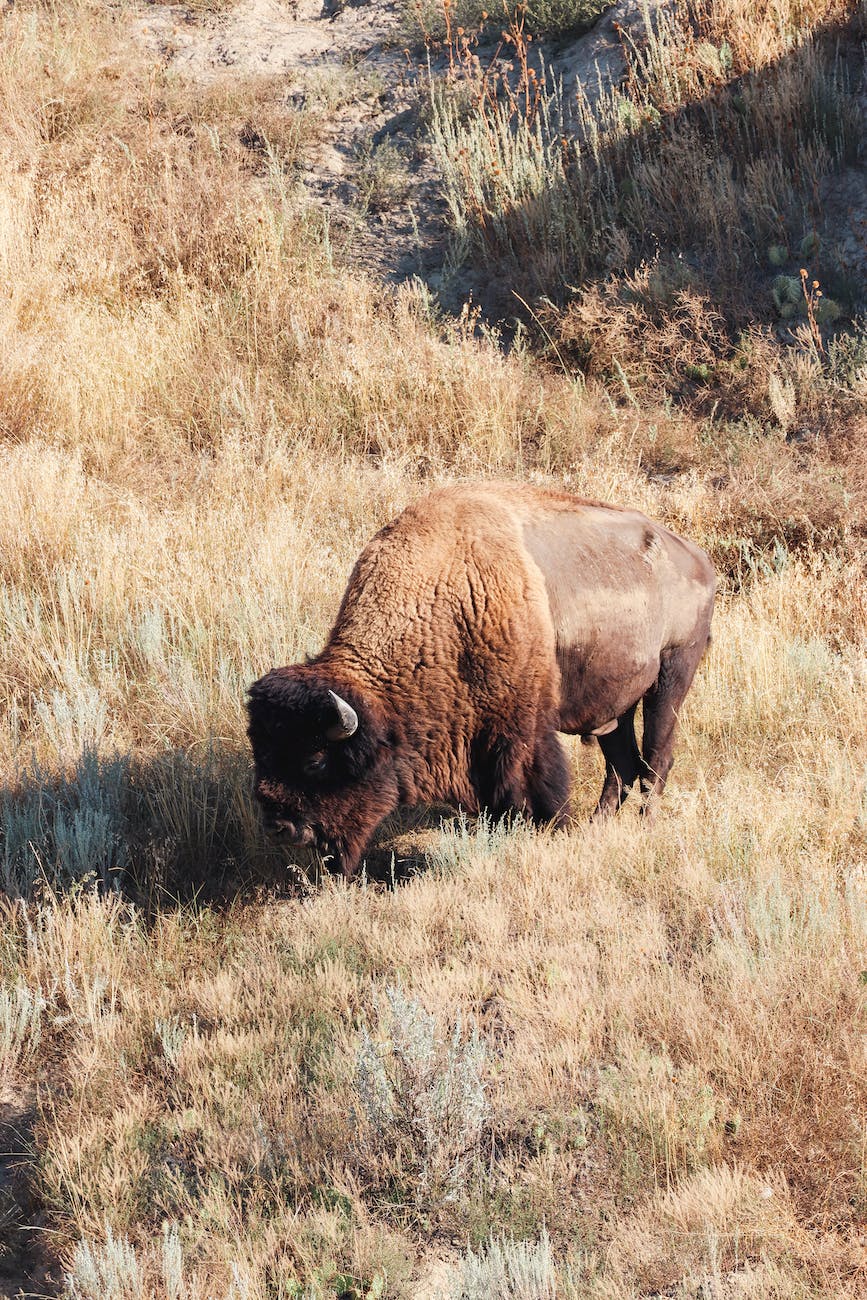
This article explores the species adaptations in xeric and mesic habitats. Xeric habitats are dry environments, while mesic habitats are more moist. We will look into how plants and animals have evolved unique traits to survive and thrive in these contrasting conditions. By understanding these adaptations, we can gain insights into the remarkable diversity of life on Earth.
What are Xeric and Mesic Habitats
Life on Earth exists in a wide range of habitats, each with its own set of challenges and opportunities. Xeric and mesic habitats represent two distinct categories of environments based on their moisture levels. Xeric habitats, such as deserts and arid regions, are characterized by low water availability, while mesic habitats, including forests and wetlands, have higher levels of moisture. In this article, we will explore the remarkable adaptations that species in these habitats have developed to ensure their survival.
Adaptations in Xeric Habitats:
- Water Conservation: One of the primary challenges in xeric habitats is the scarcity of water. To combat this, many plants and animals have evolved adaptations for water conservation. For instance, desert plants like cacti have reduced leaf surfaces to minimize water loss through transpiration.
- Drought Resistance: Xeric-adapted species often possess mechanisms to endure prolonged periods of drought. Some plants have developed deep root systems to tap into underground water sources, while certain animals can enter a state of torpor or aestivation to conserve energy during dry spells.
- Nocturnal Behavior: Many creatures in xeric habitats are nocturnal, meaning they are most active during the cooler, nighttime hours. This behavior helps them avoid the scorching heat of the day and reduce water loss through respiration.
- Camouflage: Camouflage is another important adaptation in xeric environments. Species like desert lizards and insects have evolved colors and patterns that help them blend into the sandy surroundings, providing protection from predators.
Example of species in Xeric Habitat
1. Saguaro Cactus (Carnegiea gigantea): The iconic saguaro cactus is a true symbol of the desert. To overcome the scarcity of water, the saguaro has evolved several remarkable adaptations. Its accordion-like pleats expand when water is available, allowing it to store large amounts of water during rainy periods. Additionally, its thick, waxy skin helps reduce water loss through transpiration, and its shallow roots quickly absorb rainfall. The saguaro’s arms, which provide extra surface area for photosynthesis, only develop after the plant reaches a certain age, enabling it to maximize energy production.
2. Kangaroo Rat (Dipodomys spp.): The kangaroo rat is a small rodent found in North American deserts. This creature has adapted to the xeric environment through various means. One of its most remarkable adaptations is its ability to extract water from the seeds it consumes, obtaining much of its hydration from its diet. Additionally, kangaroo rats are known for their efficient kidneys that concentrate urine, minimizing water loss. They are also primarily nocturnal, avoiding the extreme heat of the day, and their burrow systems provide insulation against temperature fluctuations.
3. Gila Monster (Heloderma suspectum): The Gila monster is one of the only venomous lizards in the United States and is well-suited for life in xeric habitats. Its scaly skin serves as a barrier against water loss, and its slow metabolism helps it conserve energy. Instead of frequent meals, the Gila monster can go for months without eating, relying on its fat-storing tail for sustenance. Its venom, while used for hunting, is also useful for breaking down proteins and fats in its infrequent meals.
4. Desert Tortoise (Gopherus agassizii): The desert tortoise is a reptile adapted to arid environments. It can store water in its bladder, allowing it to survive for long periods without drinking. To avoid the intense heat, desert tortoises are active during cooler parts of the day, and they dig burrows to escape extreme temperatures. Their thick, scaly skin helps prevent water loss, and their diet consists of fibrous plants that provide the necessary hydration without excessive moisture intake.
5. Camel (Camelus spp.): Camels are often associated with desert landscapes due to their impressive adaptations for xeric habitats. Their humps, not filled with water as commonly thought, store fat, which can be metabolized into water and energy when needed. Their large, tough lips allow them to eat thorny desert plants without injuring themselves. Additionally, camels have the ability to raise or lower their body temperature to conserve water and reduce heat stress.
Adaptations in Mesic Habitats:
- Hydration Strategies: In mesic habitats, the challenge shifts from water scarcity to excess moisture. Species in these environments have developed strategies to manage the surplus of water. For instance, wetland plants have air spaces in their tissues that allow them to float and exchange gases efficiently.
- Fungal Relationships: Many plants in mesic habitats form symbiotic relationships with fungi, known as mycorrhizae. These fungi help plants absorb nutrients from the soil, enhancing their ability to grow in nutrient-rich but waterlogged areas.
- Webbed Feet and Paws: Animals in mesic habitats often have specialized feet or paws that aid in navigating wet terrain. Ducks, for example, have webbed feet that enable them to swim easily, while mammals like beavers have webbed paws for efficient movement through water.
- Decomposition Adaptations: Mesic habitats are often characterized by high humidity levels, which accelerates the process of decomposition. Organisms like fungi and detritivores play a crucial role in breaking down organic matter, recycling nutrients back into the ecosystem.
Example of species in Mesic Habitat
1. Epiphytic Orchids (Orchidaceae family): Epiphytic orchids are a prime example of species adapted to mesic habitats, often found in lush rainforests. These plants grow on the surfaces of trees without drawing nutrients from them. Instead, they absorb moisture and nutrients from the air and rainwater through specialized structures called velamen roots. Their ability to capture and store water from rain and humidity allows them to thrive in the moisture-rich environment of the rainforest canopy.
2. Red-Eyed Tree Frog (Agalychnis callidryas): This vibrant frog is a resident of mesic habitats like rainforests. Its adaptations are particularly suited to its arboreal lifestyle. Its large, distinctive red eyes serve multiple purposes, including camouflage by breaking up its outline, and communication with other frogs. Specialized toe pads enable the frog to cling to wet leaves and branches. A translucent underbelly allows it to camouflage from predators below, and its nocturnal behavior helps it avoid the sun’s intense heat.
3. Mangrove Trees (Rhizophora spp.): Mangrove trees inhabit coastal mesic habitats where saltwater and freshwater mix. They’ve evolved unique adaptations to thrive in the challenging conditions of tidal areas. Mangroves have specialized roots that can filter out salt, allowing them to extract freshwater from the brackish environment. These trees also provide important habitats for various species, as their submerged roots offer shelter for young fish and other aquatic organisms.
4. Beavers (Castor canadensis): Beavers are known for their remarkable adaptations to mesic habitats such as wetlands and rivers. They are expert builders, constructing dams and lodges using branches and mud. These structures create protected environments in which they can live and raise their young. Their webbed hind feet and dense fur provide excellent swimming and thermal insulation. Beavers’ ability to manipulate their environment by creating water reservoirs also affects ecosystems, providing benefits to other species.
5. Fungi (Various species): Fungi play a vital role in mesic habitats through decomposition and nutrient cycling. Many fungi have evolved adaptations to efficiently break down organic matter. Mycorrhizal fungi, for example, form mutualistic relationships with plants, aiding in nutrient uptake in exchange for sugars. Fungi’s ability to thrive in damp environments, breaking down complex organic compounds into simpler forms, is crucial for maintaining ecosystem health.
Comparative Analysis:
While xeric and mesic habitats present opposing challenges, both types of environments are brimming with life that has adapted ingeniously to its surroundings. These adaptations are a testament to the power of natural selection and evolution, as species gradually develop traits that allow them to exploit available resources and cope with environmental stressors.
Conclusion:
The diversity of life in xeric and mesic habitats highlights the incredible adaptability of living organisms. From the water-conserving cacti of deserts to the webbed feet of aquatic animals, these adaptations have arisen over millions of years, shaping the intricate web of life we see today.
Multiple-choice questions (MCQs) on xeric and mesic habitats
- Which term describes a habitat characterized by low water availability and dry conditions?
- a) Xeric habitat
- b) Mesic habitat
- c) Aquatic habitat
- d) Arboreal habitat
- Which of the following adaptations is commonly seen in species from xeric habitats?
- a) Large leaves for efficient water capture
- b) Deep, extensive root systems
- c) Nocturnal behavior for avoiding the cold
- d) Webbed feet for swimming
- The saguaro cactus is well-adapted to xeric habitats due to its:
- a) Ability to swim in water
- b) Shallow root system for accessing underground water
- c) Preference for extreme cold temperatures
- d) Large leaves for photosynthesis
- Kangaroo rats in xeric habitats obtain much of their hydration from:
- a) Drinking large amounts of water daily
- b) Extracting water from the air
- c) Consuming juicy fruits
- d) Obtaining water from the seeds they eat
- In mesic habitats, species like epiphytic orchids thrive by:
- a) Burrowing underground for protection
- b) Developing large, underground root systems
- c) Absorbing moisture and nutrients from the air
- d) Creating nests in trees
- The red-eyed tree frog’s distinctive red eyes serve the purpose of:
- a) Aiding in communication with other frogs
- b) Attracting prey during daytime
- c) Scaring away predators
- d) Enhancing their sense of smell
- Mangrove trees have specialized roots that:
- a) Store freshwater for later use
- b) Filter out salt from the soil
- c) Grow deep into the ground for stability
- d) Release excess salt into the environment
- Beavers are well-suited to mesic habitats due to their:
- a) Ability to fly and escape predators
- b) Webbed feet for efficient swimming
- c) Preference for high temperatures
- d) Camouflage patterns
- Fungi play a crucial role in mesic habitats by:
- a) Absorbing excess moisture
- b) Providing shade for other organisms
- c) Breaking down organic matter and recycling nutrients
- d) Capturing insects for food
- The term “mesic” is used to describe habitats that:
- a) Experience extreme heat and drought
- b) Have moderate to high levels of moisture
- c) Are completely devoid of water
- d) Are characterized by rocky terrain
Answers:
- a) Xeric habitat
- b) Deep, extensive root systems
- b) Shallow root system for accessing underground water
- d) Obtaining water from the seeds they eat
- c) Absorbing moisture and nutrients from the air
- a) Aiding in communication with other frogs
- b) Filter out salt from the soil
- b) Webbed feet for efficient swimming
- c) Breaking down organic matter and recycling nutrients
- b) Have moderate to high levels of moisture
You May Also Like

 Decoding Biosphere