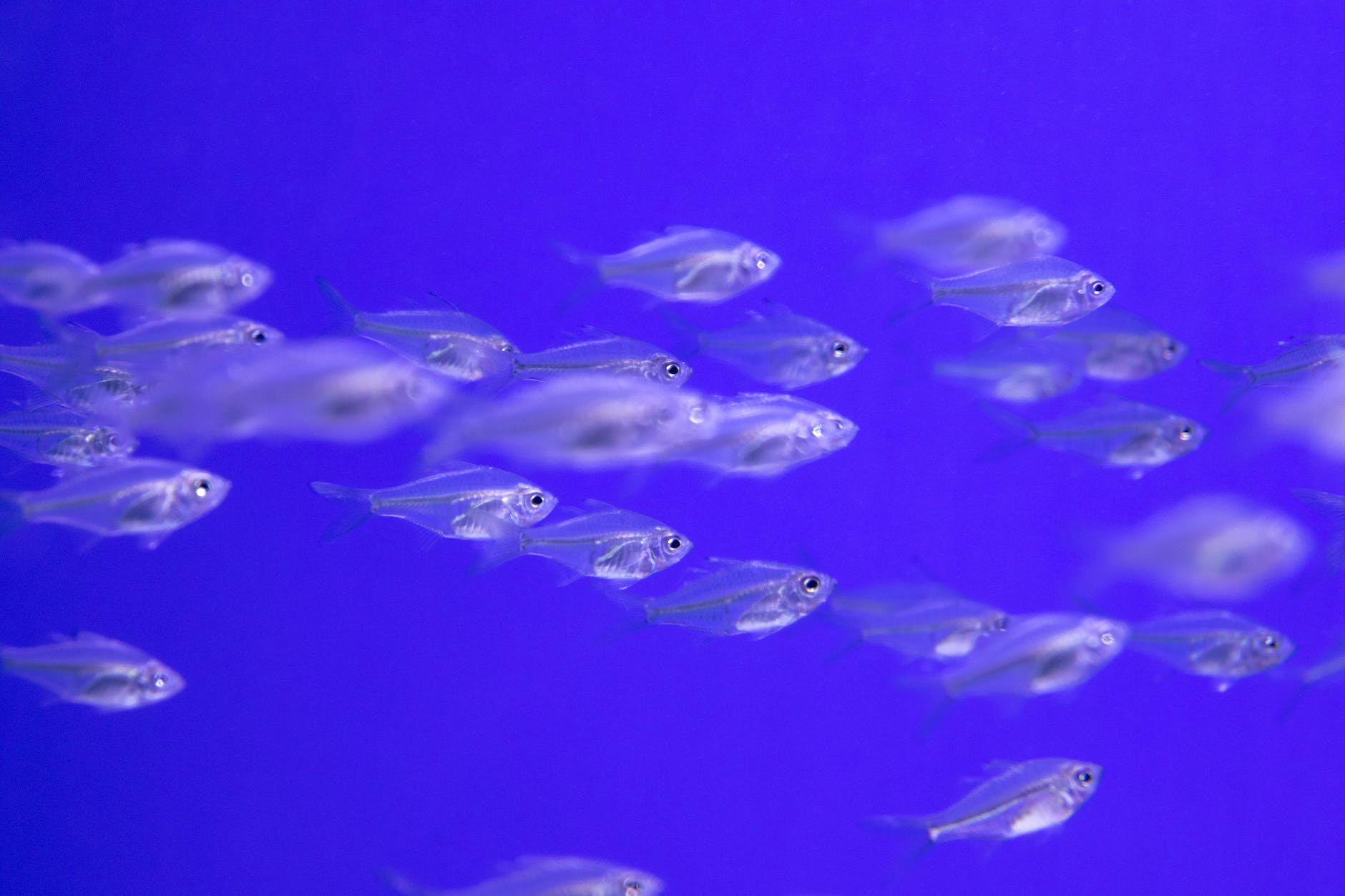

In the vast oceans and seas, a diverse array of fish species call these waters home. Two main groups of fish, known as pelagic and demersal fish, live in different parts of the water column and have unique characteristics. Let’s explore and discover the differences between these types of aquatic creatures.
Pelagic Fish:
Pelagic fish are the ocean nomads, roaming the open waters and the upper layers of the ocean. They are like the free spirits of the sea, often swimming in large schools and covering vast distances. Some well-known examples of pelagic fish include tuna, mackerel, and sardines.
Characteristics of Pelagic Fish:
- Swimmers Extraordinaire: Pelagic fish are powerful swimmers, with streamlined bodies that allow them to move swiftly through the water.
- Surface Dwellers: Many pelagic fish prefer to stay near the ocean’s surface, basking in the sunlight and feeding on plankton and small fish that inhabit these waters.
- Warm-Blooded Wonders: Some pelagic fish, like tuna and certain sharks, are warm-blooded, which helps them maintain their body temperature in cooler waters.
- Migratory Marvels: These fish undertake epic migrations, traveling long distances to find food and suitable breeding grounds.
- Important for Fisheries: Pelagic fish are vital for commercial fisheries, supporting industries worldwide and providing a significant source of food for people.
Demersal Fish:
While pelagic fish prefer the open waters, demersal fish are the true bottom-dwellers. They reside close to the ocean floor, making homes among reefs, rocks, and sandy or muddy surfaces. Common examples of demersal fish include flounder, cod, and halibut.
Characteristics of Demersal Fish:
- Bottom Buddies: Demersal fish spend most of their time near the seabed, where they search for food, shelter, and mates.
- Unique Adaptations: Many demersal fish have flattened bodies, allowing them to blend with the ocean floor and hide from predators.
- Varied Diets: These fish have diverse diets, some feeding on small crustaceans and others preying on smaller fish and invertebrates.
- Slow Growers: Compared to pelagic fish, demersal species generally grow at a slower pace and have longer lifespans.
- Fishing Targets: Demersal fish are popular targets for both commercial and recreational fishing due to their abundance and appeal as a food source.
Key Differences between Pelagic and Demersal Fish:
- Habitat: The primary distinction lies in their habitat preferences. Pelagic fish inhabit the open waters and upper layers of the ocean, while demersal fish live close to the ocean floor.
- Body Shape: Pelagic fish have streamlined bodies for swift swimming, whereas demersal fish often have flattened bodies to blend with the seabed.
- Behavior: Pelagic fish are known for their migratory habits and schooling behavior, while demersal fish tend to be more sedentary and territorial.
- Feeding Habits: Pelagic fish often feed on plankton and small fish near the surface, while demersal fish forage for food on or near the ocean floor.
In conclusion, the world of fish is vast and diverse, with pelagic and demersal fish occupying distinct ecological niches. Each group has unique adaptations and behaviors that make them fascinating subjects of study.
Frequently Asked Questions (FAQs) about Pelagic and Demersal Fish:
- What are pelagic fish?
Pelagic fish are fish species that prefer to live in the open waters and upper layers of the ocean. They are strong swimmers and often travel in large schools.
- What are demersal fish?
Demersal fish are fish species that live close to the ocean floor, making homes among reefs, rocks, and sandy or muddy surfaces.
- What is the main difference between pelagic and demersal fish?
The primary difference lies in their habitat preferences. Pelagic fish inhabit the open waters and upper layers of the ocean, while demersal fish live close to the ocean floor.
- Are pelagic fish warm-blooded?
Some pelagic fish, like tuna and certain sharks, are warm-blooded, which helps them maintain their body temperature in cooler waters.
- What do pelagic fish eat?
Pelagic fish often feed on plankton and small fish that inhabit the upper layers of the ocean.
- What do demersal fish eat?
Demersal fish have diverse diets, with some feeding on small crustaceans and others preying on smaller fish and invertebrates found near the ocean floor.
- Are demersal fish slow growers?
Yes, compared to pelagic fish, demersal species generally grow at a slower pace and have longer lifespans.
- Why are pelagic fish important for fisheries?
Pelagic fish are essential for commercial fisheries as they support industries worldwide and provide a significant source of food for people.
- Which type of fish is popular for recreational fishing?
Both pelagic and demersal fish can be popular targets for recreational fishing, depending on the location and fishing preferences.
- How can we conserve pelagic and demersal fish populations?
Conserving fish populations requires sustainable fishing practices, protecting critical habitats, implementing fishing regulations, and supporting marine conservation efforts.
- Do pelagic and demersal fish interact with each other?
While they occupy different habitats, some predator-prey relationships exist between pelagic and demersal fish. Pelagic fish may feed on smaller fish that venture closer to the surface, and demersal fish can prey on smaller organisms near the ocean floor.
- Can climate change affect pelagic and demersal fish populations?
Yes, climate change can impact both types of fish through shifts in ocean temperatures, altering food availability, and affecting their habitats. Conservation measures are crucial to mitigate these impacts.
- Are there any endangered species among pelagic or demersal fish?
Yes, some pelagic and demersal fish species are endangered due to overfishing, habitat destruction, and other human-induced pressures.
- How can I learn more about specific pelagic and demersal fish in my region?
Contacting local marine research organizations, fisheries departments, or environmental agencies can provide valuable information about fish species found in your area. Additionally, books, websites, and aquariums often offer educational resources on marine life.
You May Also Like

 Decoding Biosphere