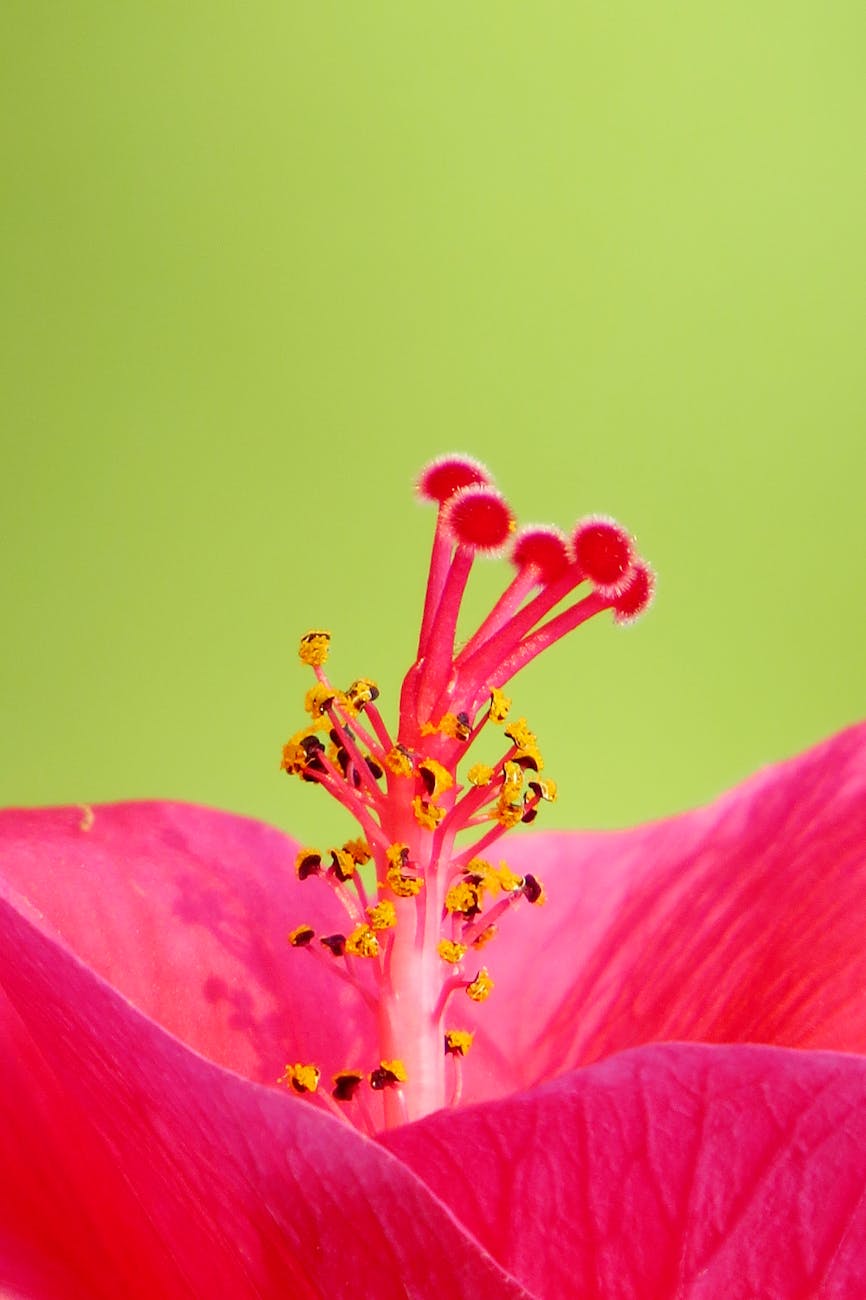
Flowers are not just beautiful to look at; they play a crucial role in the reproduction of plants. One of the essential parts of a flower is the anther. In this post, we will explore what an anther is, its structure, function, and importance in the plant kingdom.
What is an Anther?
The anther is a vital part of the stamen, the male reproductive organ of a flower. It is typically located at the top of a thin stalk called the filament. Together, the anther and filament form the stamen.

The Role of the Anther in Flower Reproduction
The anther is a vital part of the stamen, the male reproductive organ of a flower. It is responsible for producing and releasing pollen, which is essential for the fertilization process in plants. The transfer of pollen from the anther to the stigma (the female part of the flower) initiates the process of fertilization, leading to the formation of seeds and fruit.
Anatomy of the Anther
Anthers come in various shapes and sizes, but they generally have the same basic structure:
- Pollen Sacs: Each anther usually contains two lobes, and each lobe has two pollen sacs, making a total of four pollen sacs per anther. These sacs are also known as microsporangia.
- Connective Tissue: The tissue between the lobes is called the connective. It holds the lobes together and attaches them to the filament.
Types of Anthers in Different Plant Species
Anthers can vary greatly among different plant species. Some common types include:
- Basifixed Anthers: Attached at the base to the filament (e.g., in lilies).
- Versatile Anthers: Attached at a single point, allowing the anther to swing freely (e.g., in grasses).
- Dorsifixed Anthers: Attached at the back to the filament, usually immobile (e.g., in roses).
- Adnate Anthers: Entirely attached to the filament along their length (e.g., in many orchids).
The Process of Pollen Production
The primary function of the anther is to produce and release pollen. Here’s how the process works:
- Pollen Production: Inside the pollen sacs, specialized cells undergo meiosis to produce pollen grains.
- Pollen Maturation: Once produced, the pollen grains mature and develop a hard outer shell to protect the reproductive cells inside.
- Pollen Release: When the pollen grains are ready, the anther releases them through a process called dehiscence. The pollen grains are then available for transfer to the female reproductive organs of flowers, either within the same flower or between different flowers.
Pollination and the Role of Anthers
Pollination is the transfer of pollen from the anther to the stigma, the female part of the flower. This can happen in various ways:
- Wind Pollination: Some plants, like grasses, rely on the wind to carry their pollen grains.
- Animal Pollination: Many plants depend on animals, especially insects like bees, butterflies, and birds, to transfer pollen. These pollinators visit flowers to collect nectar and inadvertently pick up pollen from the anthers, transferring it to other flowers as they move.
- Self-Pollination: In some cases, flowers can self-pollinate, meaning the pollen from the anther lands on the stigma of the same flower.
Interesting Adaptations of Anthers for Pollination
Anthers have evolved various adaptations to enhance pollination efficiency:
- Sticky Pollen: Some anthers produce sticky pollen that adheres easily to pollinators.
- Explosive Anthers: Certain plants, like the mountain laurel, have anthers that spring open forcefully to disperse pollen.
- Fragrant Anthers: In some species, anthers emit fragrances to attract specific pollinators.
Importance of Anthers in Plant Breeding and Hybridization
Anthers are crucial in plant breeding and hybridization. By controlling the pollen from anthers, breeders can:
- Create Hybrids: Cross-pollinate different plant varieties to combine desirable traits.
- Improve Crop Yields: Develop new plant varieties that are more productive and resilient.
- Enhance Plant Traits: Introduce traits like disease resistance, drought tolerance, and improved nutritional content.
Common Challenges and Diseases Affecting Anthers
Anthers can be affected by various challenges and diseases that impact their function:
- Fungal Infections: Diseases like smut and rust can infect anthers, reducing pollen viability.
- Pollen Sterility: Environmental stressors or genetic issues can lead to sterile pollen, affecting reproduction.
- Pests: Insects and mites can damage anthers, disrupting pollen production and release.
Fun Facts About Anthers
- Variety in Shape and Size: Anthers can vary greatly in size and shape depending on the species of the plant. Some are small and round, while others are long and slender.
- Colorful Pollens: The pollen produced by anthers can be different colors, including yellow, white, blue, or even red.
- Adaptations for Pollination: Some anthers have special adaptations to ensure effective pollination. For example, some flowers have sticky or spiky pollen to help it adhere to pollinators.
The anther of a flower might seem like a small and insignificant part, but it plays a crucial role in the life cycle of plants. By producing and releasing pollen, anthers enable the process of pollination, which is essential for plant reproduction and biodiversity.

 Decoding Biosphere