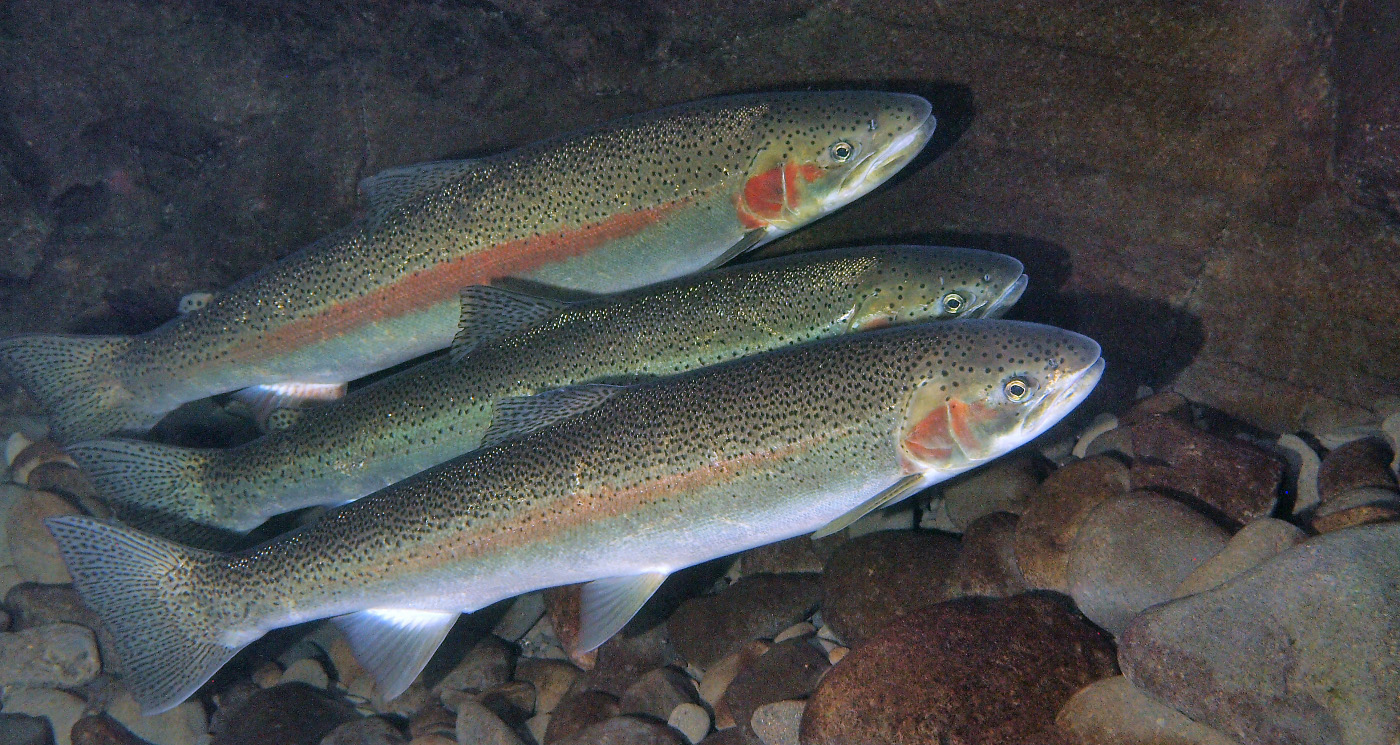
Anadromous is a term used to describe certain species of fish that show a unique migratory behavior, involving the movement from saltwater to freshwater environments to produce offsprings. This amazing journey showcases the adaptability and resilience of these species, as they navigate vast distances and overcome various challenges. In this article, we will explore the world of anadromous fish, their extraordinary migrations, ecological significance, and the challenges they face.
What are Anadromous Fish?
Anadromous fish are species that navigate between two distinct habitats during different stages of their lives. They are born in freshwater rivers, migrate to the ocean to grow and mature, and then return to their natal rivers to spawn. This remarkable journey between freshwater and saltwater environments is a fundamental aspect of their life cycle.
The Epic Journey Begins: Reproduction
The life of an anadromous fish begins in the quiet depths of a freshwater river. Here, adults lay their eggs, which develop into small, vulnerable fry. As the fry grow, they feed on aquatic insects and plankton in the river’s nurturing environment. However, as they mature, a biological instinct triggers their journey downstream, leading them to the vast and challenging marine world.
The Marine Odyssey: Growth and Maturity
Once anadromous fish enter the ocean, they experience a dramatic change in habitat. They adapt to the saltwater environment, where they encounter a rich buffet of food, including smaller fish, crustaceans, and plankton. This period of growth and maturation in the ocean is crucial for them to reach their full size and reproductive capability.
The Call of Home: Spawning Migration
As maturity sets in, an irresistible urge guides anadromous fish back to the rivers. This homing instinct is remarkable, as some fish travel thousands of miles to reach the exact spot where they were born. The spawning migration is an arduous journey filled with challenges, including predators, obstacles, and sometimes even human-made barriers like dams.
The Circle of Life: Spawning and the Next Generation
Upon reaching their natal rivers, anadromous fish undergo a final transformation. Their bodies change to accommodate the reproductive process, which culminates in the release of eggs by females and the fertilization of these eggs by males. After spawning, many anadromous fish die, providing nutrients to their ecosystem as their bodies decompose. The eggs hatch into fry, and the cycle begins anew.
Examples of Anadromous Fish:
1.Salmon: Salmon are perhaps the most well-known anadromous fish. Species like the Atlantic salmon, Pacific salmon, and Chinook salmon undertake incredible migrations from the ocean to freshwater rivers for spawning. They can travel thousands of kilometers upstream, overcoming powerful river currents and even leaping over waterfalls to reach their spawning grounds.
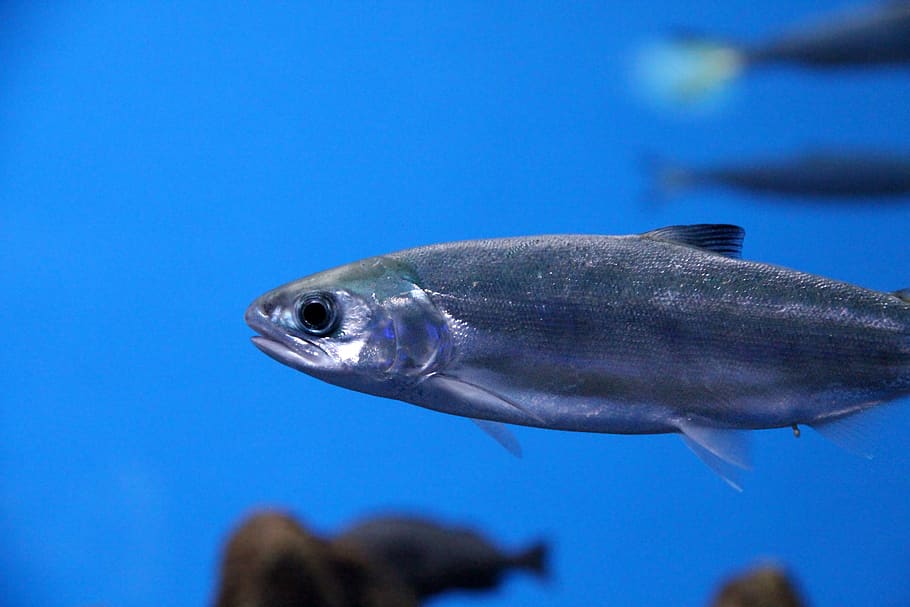
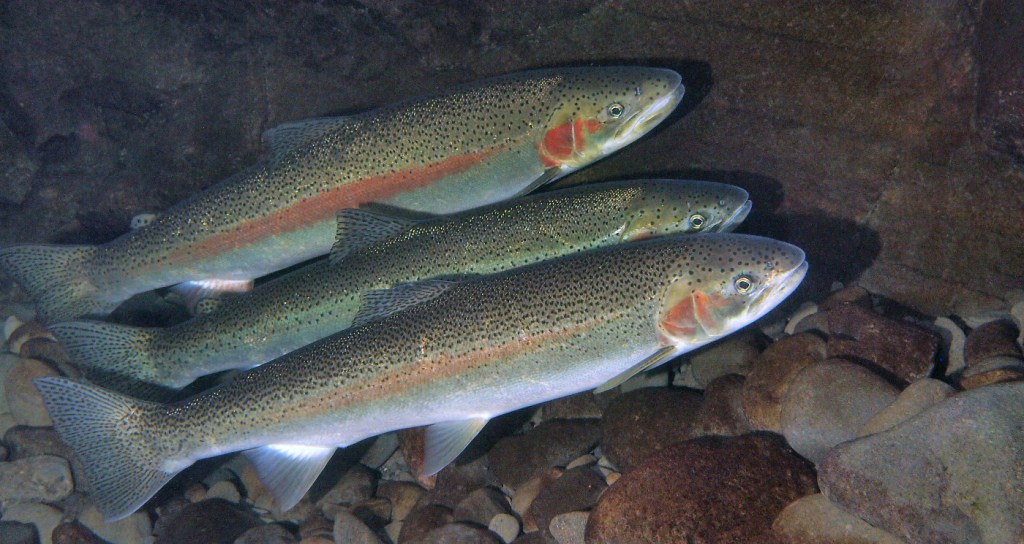
2. Steelhead Trout: Steelhead trout are another remarkable example of anadromous fish. They are a subspecies of rainbow trout that migrate from the ocean to freshwater rivers for reproduction. Steelhead trout are known for their strength and ability to leap high waterfalls during their upstream journey.
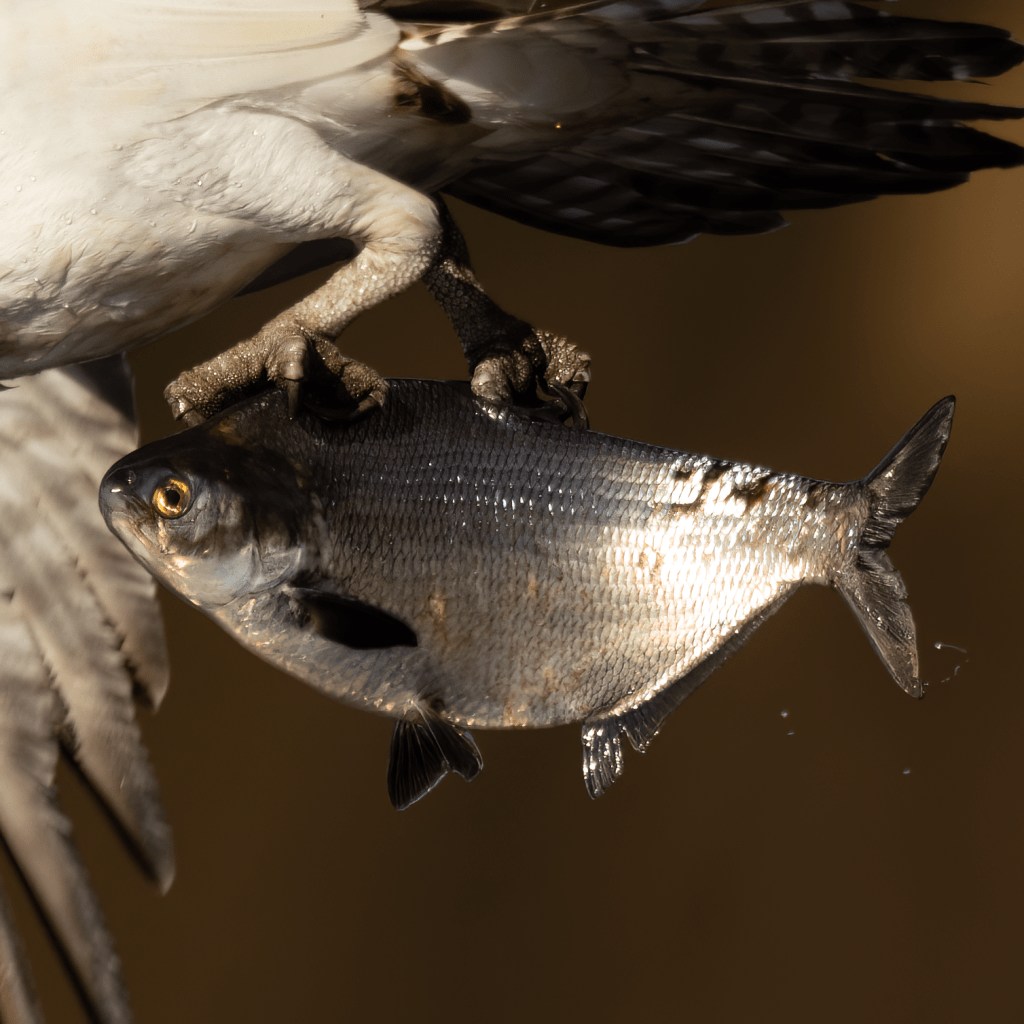
3. Shad: Shad are a group of fish species that exhibit anadromous behavior. American shad and hickory shad are prominent examples. These fish migrate from saltwater to freshwater rivers to spawn, often traveling long distances to reach their spawning grounds.
Ecological Significance
The life cycle of anadromous fish has far-reaching ecological implications. Their journeys between freshwater and saltwater environments contribute to nutrient cycling, as nutrients from the ocean are transported upstream and into the surrounding landscape. Their spawning activities provide essential nutrition for predators and scavengers, enriching both terrestrial and aquatic ecosystems.
Challenges and Conservation
Despite their remarkable adaptations, anadromous fish face significant challenges that threaten their survival:
- Habitat Degradation: Human activities like dam construction, water pollution, and habitat destruction disrupt their migratory pathways and breeding sites.
- Overfishing: Commercial and recreational fishing can deplete anadromous fish populations, affecting their ability to complete their life cycle.
- Climate Change: Rising temperatures, altered river flows, and ocean acidification pose risks to the timing and success of their migrations.
- Obstacles: Man-made barriers such as dams and culverts hinder their upstream journeys and spawning migrations.
Conservation efforts are crucial to ensure the survival of anadromous fish species. Strategies include:
- Habitat Restoration: Removing barriers and restoring degraded habitats helps reestablish migratory pathways and breeding sites.
- Fish Passages: Building fish ladders and other structures helps fish navigate around obstacles like dams.
- Regulations: Implementing fishing regulations and quotas helps prevent overfishing and allows populations to recover.
- Climate Resilience: Addressing climate change impacts requires a multi-pronged approach to protect their habitats and manage their migrations.
Take Away Points:
The journey of anadromous fish from freshwater rivers to the ocean and back again is a testament to the marvels of nature’s adaptability and the connections between the different ecosystems. These fish play a crucial role in nutrient cycling, food webs, and the health of both terrestrial and aquatic environments.

 Decoding Biosphere