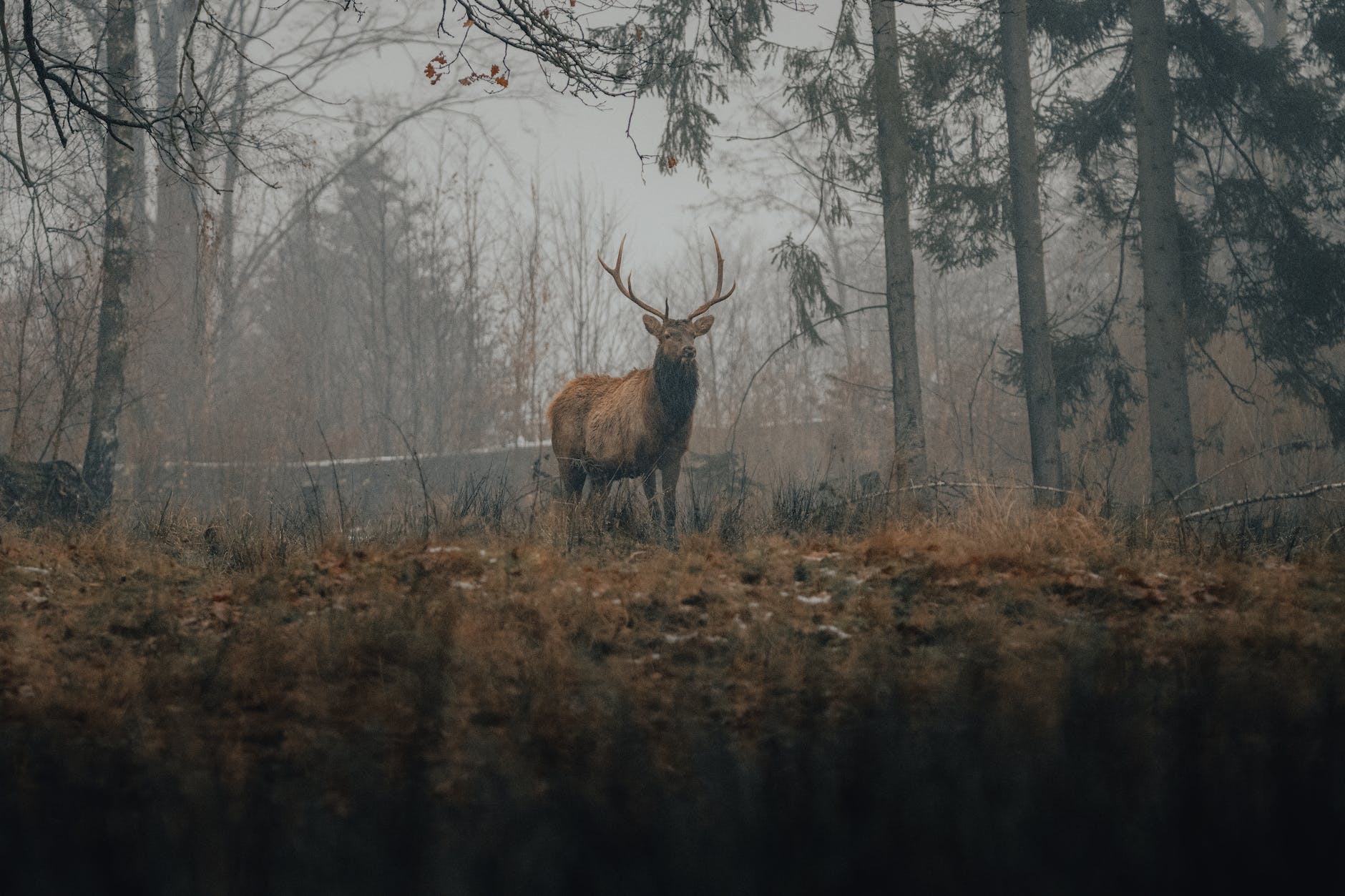
Ecosystems are like interlinked webs of life, where living organisms and their physical surroundings interact and depend on each other for survival. From towering forests to vast oceans, ecosystems encompass a diverse array of habitats that support a multitude of plants, animals, and microorganisms. In this comprehensive article, we’ll look into the components of ecosystems and examine the threats that affects their balance.
Components of an Ecosystem:
Abiotic Factors:
Abiotic factors are the non-living components of an ecosystem that influence the environment and shape the conditions in which living organisms thrive. These include sunlight, temperature, water, soil, air quality, and geological features. Abiotic factors play a crucial role in determining the distribution and abundance of plants and animals within an ecosystem.
Biotic Factors:
Biotic factors encompass all living organisms within an ecosystem, including plants, animals, fungi, and microorganisms. These organisms interact with each other and with their environment, forming complex food webs, symbiotic relationships, and ecological niches. Biotic factors play vital roles in nutrient cycling, energy flow, and ecosystem functioning.
Producers:
Producers, also known as autotrophs, are organisms that produce their own food through photosynthesis or chemosynthesis. Plants, algae, and some bacteria are examples of producers that convert sunlight or inorganic compounds into organic matter, providing energy for the rest of the ecosystem.
Consumers:
Consumers, also known as heterotrophs, are organisms that obtain energy by consuming other organisms. They include herbivores, carnivores, omnivores, and detritivores. Consumers play important roles in regulating population dynamics, controlling prey populations, and transferring energy through the food chain.
Decomposers:
Decomposers are organisms that break down organic matter into simpler compounds, recycling nutrients back into the ecosystem. Fungi, bacteria, and some insects are examples of decomposers that play essential roles in decomposition, nutrient cycling, and soil formation.
Food Chains and Food Webs:
Food chains and food webs illustrate the flow of energy and nutrients through an ecosystem. A food chain depicts the transfer of energy from producers to consumers, while a food web represents the interconnected relationships between multiple organisms within an ecosystem. These structures are fundamental to understanding the dynamics of energy flow and trophic interactions.
Habitats and Niches:
Habitats are the specific environments where organisms live, characterized by their physical and biological features. Niches refer to the role or function that an organism plays within its habitat, including its interactions with other species and its utilization of resources. Understanding habitats and niches is essential for assessing species diversity, population dynamics, and community structure within an ecosystem.
Threats to Ecosystems:
Habitat Loss and Fragmentation:
Habitat loss and fragmentation occur when natural habitats are converted, degraded, or fragmented by human activities such as deforestation, urbanization, agriculture, and infrastructure development. These processes disrupt ecosystems, fragment wildlife habitats, and reduce biodiversity, leading to the decline and extinction of species.
Pollution:
Pollution, including air pollution, water pollution, soil contamination, and noise pollution, poses significant threats to ecosystems and human health. Pollution can impair water quality, degrade soil fertility, poison wildlife, and disrupt ecological processes. Common sources of pollution include industrial emissions, agricultural runoff, chemical spills, and improper waste disposal practices.
Climate Change:
Climate change, driven by human activities such as burning fossil fuels, deforestation, and industrial processes, is altering global weather patterns, temperatures, and precipitation levels. These changes have profound impacts on ecosystems, including shifts in species distributions, changes in phenology and behavior, and disruptions to food webs and ecological relationships.
Invasive Species:
Invasive species are non-native organisms that establish and spread rapidly in new environments, often outcompeting native species and disrupting ecosystem dynamics. Invasive species can alter habitat structure, reduce biodiversity, and threaten native plant and animal populations through predation, competition, and disease transmission.
Overexploitation:
Overexploitation occurs when humans harvest or extract natural resources from ecosystems at unsustainable rates, depleting populations and degrading habitats. Overfishing, illegal logging, poaching, and excessive hunting are examples of overexploitation that threaten the long-term sustainability of ecosystems and contribute to species decline and habitat degradation.
Land Use Changes:
Changes in land use, including deforestation, agricultural expansion, urban sprawl, and habitat conversion, can have profound impacts on ecosystems and biodiversity. These changes alter landscape structure, fragment habitats, and disrupt ecological processes, leading to declines in species richness and ecosystem resilience.
Loss of Biodiversity:
Loss of biodiversity, driven by habitat destruction, pollution, climate change, and other human activities, poses significant risks to ecosystems and the services they provide. Biodiversity loss reduces ecosystem stability, resilience, and productivity, making ecosystems more vulnerable to environmental disturbances and less capable of supporting human livelihoods and well-being.
In conclusion, ecosystems are complex and interconnected systems that sustain life on Earth. Understanding the components of ecosystems and the threats they face is essential for promoting conservation, restoration, and sustainable management of natural resources.
You May Also Like

 Decoding Biosphere