Thermal energy is a fundamental concept in physics and engineering that plays a crucial role in our everyday lives. From heating our homes to powering industrial processes, thermal energy is present in various forms and applications. In this article, we learn about thermal energy, exploring its definition, different types, and providing examples of its practical applications.
Understanding Thermal Energy
Thermal energy, also known as heat energy, is the energy that comes from the temperature of matter. It is a form of kinetic energy associated with the random motion of atoms and molecules within a substance. The hotter an object or substance is, the more thermal energy it possesses.
Types of Thermal Energy based on heat transfer mechanisms
- Convection: Convection is the transfer of heat through the movement of fluids (liquids or gases). It occurs when warmer regions of a fluid rise and cooler regions sink, creating a continuous circulation pattern. This heat transfer mechanism is commonly observed in fluids such as air and water. For example, convection currents in the atmosphere drive weather patterns, while convection currents in water contribute to ocean circulation.
- Conduction: Conduction is the transfer of heat through direct contact between materials. It occurs when heat energy is transferred from a warmer object to a cooler object through physical contact. In solids, conduction is the primary mode of heat transfer, as heat energy is transmitted through the lattice structure of atoms and molecules. Metals are good conductors of heat due to their highly ordered atomic arrangement.
- Radiation: Radiation is the transfer of heat energy through electromagnetic waves, such as infrared radiation. Unlike convection and conduction, radiation does not require a medium to propagate and can occur in a vacuum. All objects emit radiation in the form of electromagnetic waves, with the amount of radiation depending on the object’s temperature and emissivity. Radiation is responsible for the transfer of heat energy from the Sun to Earth and is also utilized in various applications such as heating and cooking.
Types of Thermal Energy Storage
Thermal energy can exist in different forms, each with its unique characteristics and applications. The main types of thermal energy include:
1. Sensible Heat:
Sensible heat refers to the heat energy that can be sensed or felt when the temperature of an object or substance changes. It is associated with changes in temperature without a phase change occurring. For example, heating water on a stove or feeling the warmth of sunlight on your skin are examples of sensible heat transfer.
2. Latent Heat:
Latent heat is the heat energy absorbed or released during a phase change of a substance, such as melting, freezing, vaporization, or condensation. Unlike sensible heat, which causes changes in temperature, latent heat causes changes in the state of matter while keeping the temperature constant. Examples include the melting of ice into water or the condensation of water vapor into liquid water.
Practical Examples of Thermal Energy
Now, let’s explore some practical examples of thermal energy in various contexts:
1. Home Heating Systems:
Home heating systems, such as furnaces, boilers, and radiators, utilize thermal energy to heat indoor spaces during cold weather. These systems typically burn fuel, such as natural gas or oil, to generate heat, which is then distributed throughout the home via ducts, pipes, or radiators.
2. Solar Thermal Energy:
Solar thermal energy harnesses the heat energy from sunlight to generate electricity or provide heating for residential and commercial buildings. Solar collectors, such as solar panels or solar water heaters, absorb sunlight and convert it into thermal energy, which can be used directly or converted into electricity using thermoelectric or photovoltaic technology.
3. Geothermal Energy:
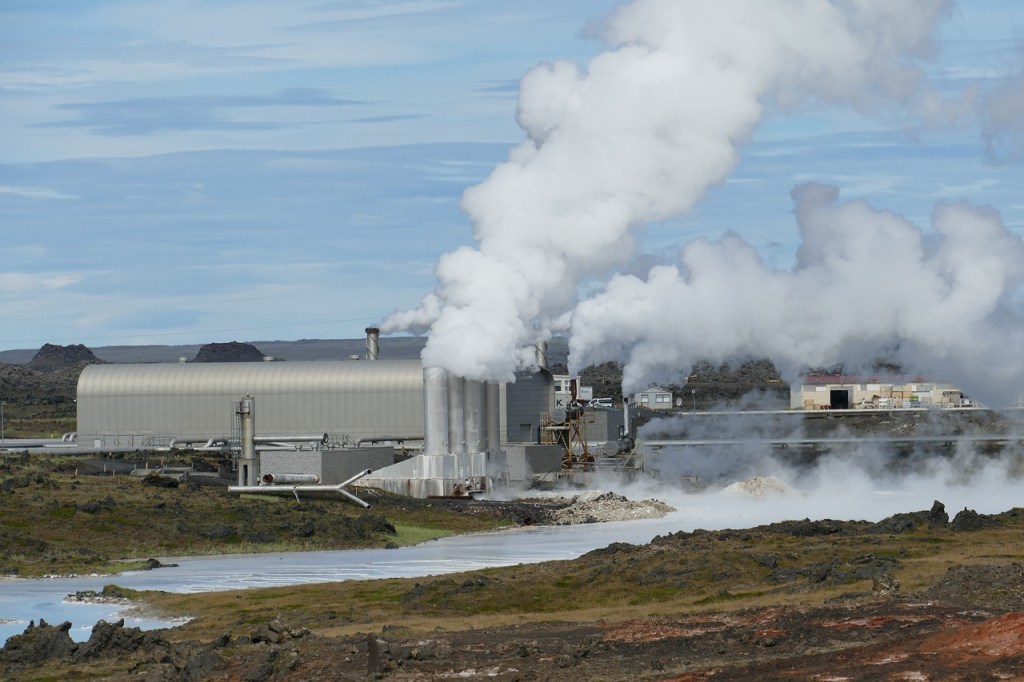
Geothermal energy utilizes the natural heat stored beneath the Earth’s surface to generate electricity or provide heating and cooling for buildings. Geothermal power plants extract heat from underground reservoirs of hot water or steam and use it to drive turbines, producing electricity. Geothermal heat pumps transfer heat from the ground into buildings during winter and remove heat from buildings into the ground during summer.
4. Industrial Processes:
Thermal energy is widely used in various industrial processes, including manufacturing, refining, and chemical processing. Industrial furnaces and kilns use thermal energy to melt metals, ceramics, and glass, while steam boilers produce high-pressure steam for powering turbines and machinery in power plants and factories.
5. Transportation:
Thermal energy is also present in transportation systems, where it is used to power engines and provide heating and cooling for vehicles. Internal combustion engines in cars, trucks, and airplanes convert the chemical energy of fuel into thermal energy through combustion, propelling the vehicle forward. Additionally, thermal energy is used to regulate the temperature inside vehicles through heating, ventilation, and air conditioning (HVAC) systems.
Conclusion
In conclusion, thermal energy is a fundamental form of energy that pervades various aspects of our lives and the natural world. From heating our homes and powering industrial processes to driving vehicles and harnessing renewable energy sources, thermal energy plays a central role in modern society.
Understanding the different types of thermal energy and their practical applications is essential for addressing energy needs, promoting sustainability, and mitigating the impacts of climate change.
Some Interesting Facts about Thermal Energy
- Sunlight Powers Solar Thermal Energy: Solar thermal energy harnesses the heat energy from sunlight to generate electricity or provide heating for buildings. Globally, solar thermal capacity reached 480 gigawatts-thermal (GWth) by the end of 2020, demonstrating the growing importance of solar thermal energy in the renewable energy mix.
- Geothermal Energy from Earth’s Heat: Geothermal energy utilizes the natural heat stored beneath the Earth’s surface to generate electricity or provide heating and cooling for buildings. According to the International Renewable Energy Agency (IRENA), global geothermal power capacity reached 15.1 gigawatts (GW) in 2020, with significant growth potential in regions with geothermal resources.
- Thermal Energy and Climate Control: Thermal energy plays a crucial role in climate control systems for buildings and vehicles. The global HVAC market was valued at over $160 billion in 2020 and is projected to reach $241 billion by 2027, driven by increasing demand for energy-efficient heating, ventilation, and air conditioning solutions.
- Efficiency in Industrial Processes: Industrial processes rely heavily on thermal energy. According to the International Energy Agency (IEA), the industrial sector accounts for approximately 37% of global final energy consumption, with thermal energy playing a critical role in processes such as manufacturing, refining, and chemical processing.
- Thermal Energy and Cooking: Cooking is a common application of thermal energy in everyday life. In the United States, residential cooking accounted for approximately 2.7% of total residential energy consumption in 2020, highlighting the significance of thermal energy in residential energy use.
- Renewable and Sustainable: Thermal energy from renewable sources offers long-term sustainability and environmental benefits. In 2020, renewable energy sources, including solar, wind, hydropower, and biomass, accounted for 29% of global electricity generation, demonstrating the increasing role of renewables in the energy transition.
- Heat Transfer Mechanisms: Thermal energy can be transferred through various mechanisms. According to the U.S. Department of Energy, approximately 62% of energy consumed in residential buildings is used for space heating and cooling, emphasizing the importance of understanding heat transfer mechanisms for efficient energy use.
- Thermal Insulation: Thermal insulation materials help reduce heat transfer and conserve thermal energy in buildings and equipment. The global thermal insulation market was valued at $54.3 billion in 2020 and is projected to reach $75.3 billion by 2026, driven by increasing demand for energy-efficient building materials and regulations promoting energy conservation.
- Thermal Energy Storage: Thermal energy storage systems provide flexibility and resilience in energy systems. According to the Global Energy Storage Database, the global thermal energy storage market was valued at $3.5 billion in 2020 and is expected to grow at a compound annual growth rate (CAGR) of 17.2% from 2021 to 2028, driven by increasing demand for grid stability and renewable energy integration.
You May Also Like

 Decoding Biosphere