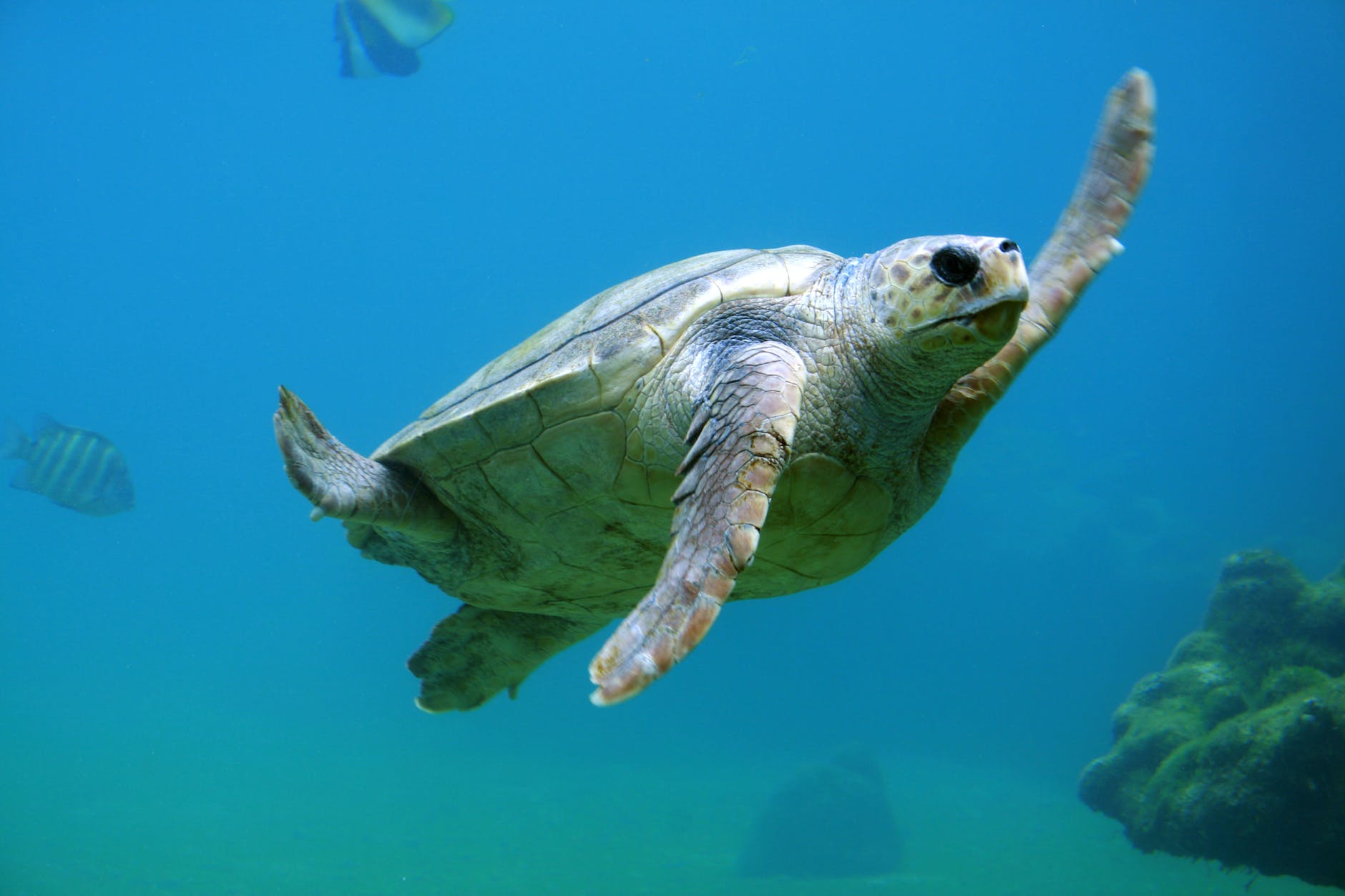
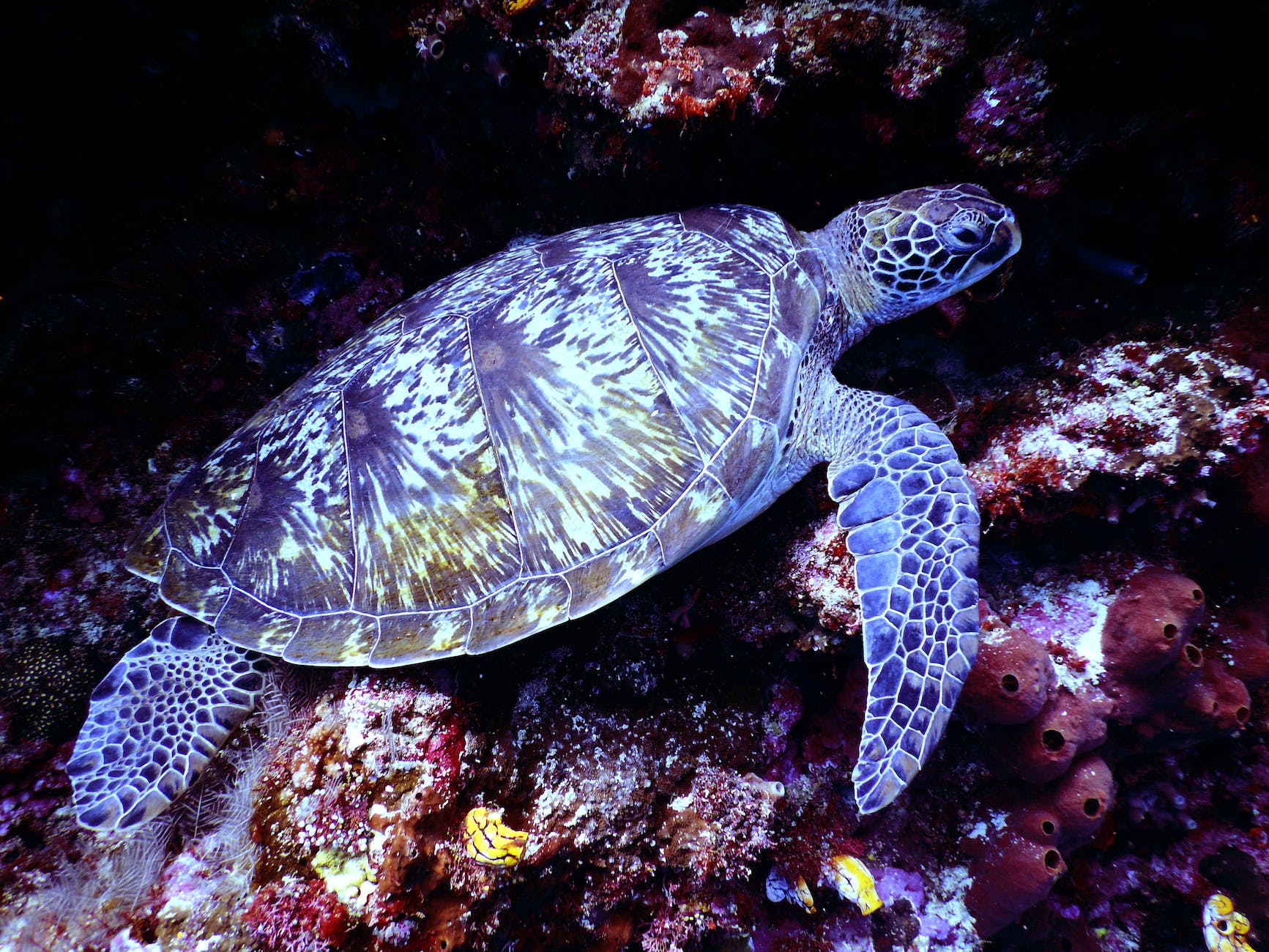
Sea turtles, with their graceful movements and ancient lineage, have captured the imagination of people around the world. However, these majestic creatures face numerous threats that have pushed many species to the brink of extinction. In this article, we will explore the reasons why sea turtles are endangered and the efforts being made to conserve these fascinating reptiles.
Habitat Loss
One of the primary reasons for the decline in sea turtle populations is habitat loss. Coastal development, including the construction of hotels, resorts, and residential areas, has led to the destruction and degradation of nesting beaches. As beaches disappear or become unsuitable for nesting, sea turtles struggle to find suitable sites to lay their eggs, threatening the survival of future generations.
Pollution
Pollution poses a significant threat to sea turtles in both marine and terrestrial environments. Marine debris, such as plastic bags, bottles, and fishing gear, can entangle sea turtles, causing injury, drowning, or death. Additionally, ingestion of plastic debris can lead to intestinal blockages, malnutrition, and internal injuries, further jeopardizing the health of sea turtle populations.
Chemical pollutants, including pesticides, heavy metals, and oil spills, contaminate coastal waters and marine habitats, posing serious health risks to sea turtles. These pollutants can disrupt hormonal systems, weaken immune defenses, and impair reproductive functions, leading to reduced survival rates and reproductive success among sea turtle populations.
Overfishing
Overfishing poses a significant threat to sea turtles, particularly through bycatch—the accidental capture of turtles in fishing gear intended for other species. Longline fishing, trawling, and gillnetting operations often result in the incidental capture of sea turtles, leading to injuries, drowning, and death.
Additionally, the depletion of fish stocks due to overfishing can disrupt the marine food chain, affecting the abundance and distribution of prey species consumed by sea turtles. As sea turtles struggle to find adequate food sources, their overall health and reproductive success are compromised, further exacerbating population declines.
Climate Change:
Climate change is a growing threat to sea turtles and their habitats. Rising temperatures, shifting ocean currents, and changing weather patterns can alter nesting beaches and foraging grounds, forcing sea turtles to adapt to new environments or face extinction.
Sea level rise poses a particular threat to nesting beaches, as higher tides and storm surges can inundate nesting sites and destroy eggs and nests. Additionally, changes in temperature can influence the sex ratio of sea turtle hatchlings, leading to skewed population demographics and potential reproductive challenges in the future.
Furthermore, ocean acidification resulting from increased carbon dioxide levels can affect the growth and development of marine organisms, including the prey species consumed by sea turtles. As ecosystems undergo changes due to climate change, sea turtles must navigate unfamiliar and challenging conditions, putting additional stress on already vulnerable populations.
Illegal Wildlife Trade:
Illegal wildlife trade poses a significant threat to many species of sea turtles, driven by demand for their meat, eggs, shells, and other products. Despite international regulations and conservation efforts, poaching and trafficking of sea turtles continue to occur, particularly in regions where they are valued for cultural or medicinal purposes.
The illegal collection of sea turtle eggs, in particular, threatens the survival of nesting populations, as it deprives hatchlings of the opportunity to emerge and contribute to future generations. Additionally, the trade in sea turtle shells and products fuels demand for these endangered species, perpetuating their exploitation and endangering their survival.
Endangered Marine Turtles
The International Union for the Conservation of Nature (IUCN) includes seven sea turtles in the Red List of Threatened Species. These remarkable creatures, which have roamed the oceans for millions of years, now face unprecedented challenges that threaten their survival. Let’s explore the plight of these endangered marine turtles and the urgent need for conservation action.
- Green Turtle (Chelonia mydas): The green turtle, named for the color of its fat rather than its shell, is one of the most iconic species of sea turtles. Despite its widespread distribution, green turtle populations have declined significantly due to habitat loss, pollution, and hunting. Efforts to protect nesting beaches and foraging grounds are critical to the survival of this endangered species.
- Loggerhead Turtle (Caretta caretta): The loggerhead turtle is known for its large head and powerful jaws, which it uses to crush hard-shelled prey such as crabs and mollusks. Despite conservation efforts, loggerhead populations continue to decline due to habitat degradation, bycatch, and illegal wildlife trade. Protecting nesting sites and reducing human impacts on marine habitats are essential for the recovery of loggerhead populations.
- Hawksbill Turtle (Eretmochelys imbricata): The hawksbill turtle, named for its distinctive hawk-like beak, is prized for its beautifully patterned shell, which has led to its exploitation for the tortoiseshell trade. Hawksbill populations have suffered steep declines due to habitat loss, pollution, and poaching. Efforts to combat illegal wildlife trade and protect critical habitats are crucial for the survival of this critically endangered species.
- Leatherback Turtle (Dermochelys coriacea): The leatherback turtle is the largest and most migratory of all sea turtle species, with a unique leathery shell and a diet consisting primarily of jellyfish. Despite its resilience, leatherback populations are declining rapidly due to habitat degradation, bycatch, and climate change. Protecting nesting beaches and reducing anthropogenic threats are essential for the survival of leatherback turtles.
- Olive Ridley Turtle (Lepidochelys olivacea): The olive ridley turtle, named for its olive-colored shell, is known for its remarkable synchronized nesting behavior, known as arribadas. Despite this unique reproductive strategy, olive ridley populations are under threat from habitat loss, pollution, and fisheries bycatch. Conservation efforts focus on protecting nesting beaches and implementing sustainable fishing practices to reduce bycatch.
- Kemp’s Ridley Turtle (Lepidochelys kempii): Kemp’s ridley turtle is the rarest and most endangered sea turtle species, with nesting populations concentrated along the Gulf of Mexico coast. Despite conservation efforts, Kemp’s ridley populations continue to decline due to habitat loss, pollution, and fisheries bycatch. Protecting nesting sites and reducing human impacts on marine habitats are critical for the survival of this critically endangered species.
- Flatback Turtle (Natator depressus): The flatback turtle is named for its unique flat-shaped shell and is found primarily in the waters of northern Australia and Papua New Guinea. While the flatback turtle is not as widely studied as other sea turtle species, it faces threats from habitat loss, pollution, and climate change. Conservation efforts focus on protecting nesting beaches and foraging habitats to ensure the survival of this vulnerable species.
What Can You Do to Save Sea Turtles?
Saving sea turtles requires collective action and individual responsibility. Here are some simple yet impactful steps you can take to help protect and conserve these magnificent creatures:
- Reduce Plastic Use: Plastic pollution poses a significant threat to sea turtles, as they often mistake plastic debris for food or become entangled in plastic waste. Reduce your plastic footprint by using reusable bags, bottles, and containers, and say no to single-use plastics whenever possible. Participate in beach clean-up events to remove litter from coastal habitats and prevent it from entering the ocean.
- Dispose of Trash Properly: Properly dispose of trash and recyclables to prevent them from ending up in the ocean. Dispose of fishing gear, balloons, and other hazardous materials responsibly to reduce the risk of entanglement and ingestion by sea turtles and other marine life. Remember, even small actions can make a big difference in protecting marine ecosystems.
- Support Sustainable Seafood: Choose seafood products that are sustainably sourced and harvested using methods that minimize harm to sea turtles and other marine species. Look for seafood certifications such as Marine Stewardship Council (MSC) or Aquaculture Stewardship Council (ASC) to ensure that your seafood choices support healthy oceans and marine biodiversity.
- Respect Nesting Sites: If you live near or visit coastal areas where sea turtles nest, respect nesting sites and follow local regulations and guidelines designed to protect nesting turtles and their eggs. Avoid disturbing nesting turtles, keep a safe distance, and refrain from using flashlights, cameras, or electronic devices that may disrupt or disorient nesting turtles.
- Reduce Light Pollution: Artificial lights from coastal development and beachfront properties can disorient nesting turtles and hatchlings, leading them away from the ocean and toward danger. Reduce light pollution by using turtle-friendly lighting fixtures, shielding or redirecting lights away from the beach, and adhering to local ordinances and guidelines for coastal lighting.
- Report Nesting Activity and Strandings: If you encounter nesting sea turtles or hatchlings on the beach, observe them from a safe distance and avoid disturbing or interfering with their natural behavior. Report nesting activity, stranded turtles, or injured individuals to local authorities, marine conservation organizations, or wildlife rescue centers for assistance and support.
Conservation Efforts:
Despite the numerous threats facing sea turtles, conservation efforts around the world offer hope for their recovery and survival. Governments, non-profit organizations, researchers, and local communities are working together to protect sea turtle habitats, enforce regulations, and raise awareness about the importance of conservation.
Efforts to establish protected areas, marine reserves, and nesting beaches help safeguard critical habitats for sea turtles and other marine species. Conservation initiatives also focus on reducing marine debris, implementing sustainable fishing practices, and mitigating the impacts of climate change on sea turtle populations.
Community-based conservation programs engage local stakeholders in conservation efforts, empowering them to participate in monitoring, research, and habitat restoration activities. Educational outreach and public awareness campaigns raise awareness about the threats facing sea turtles and inspire action to protect these iconic creatures for future generations.
Conclusion:
Sea turtles face a multitude of threats that jeopardize their survival, including habitat loss, pollution, overfishing, climate change, and illegal wildlife trade. However, through collaborative conservation efforts and widespread public support, we can work together to protect and preserve these magnificent creatures.
You May Also Like

 Decoding Biosphere