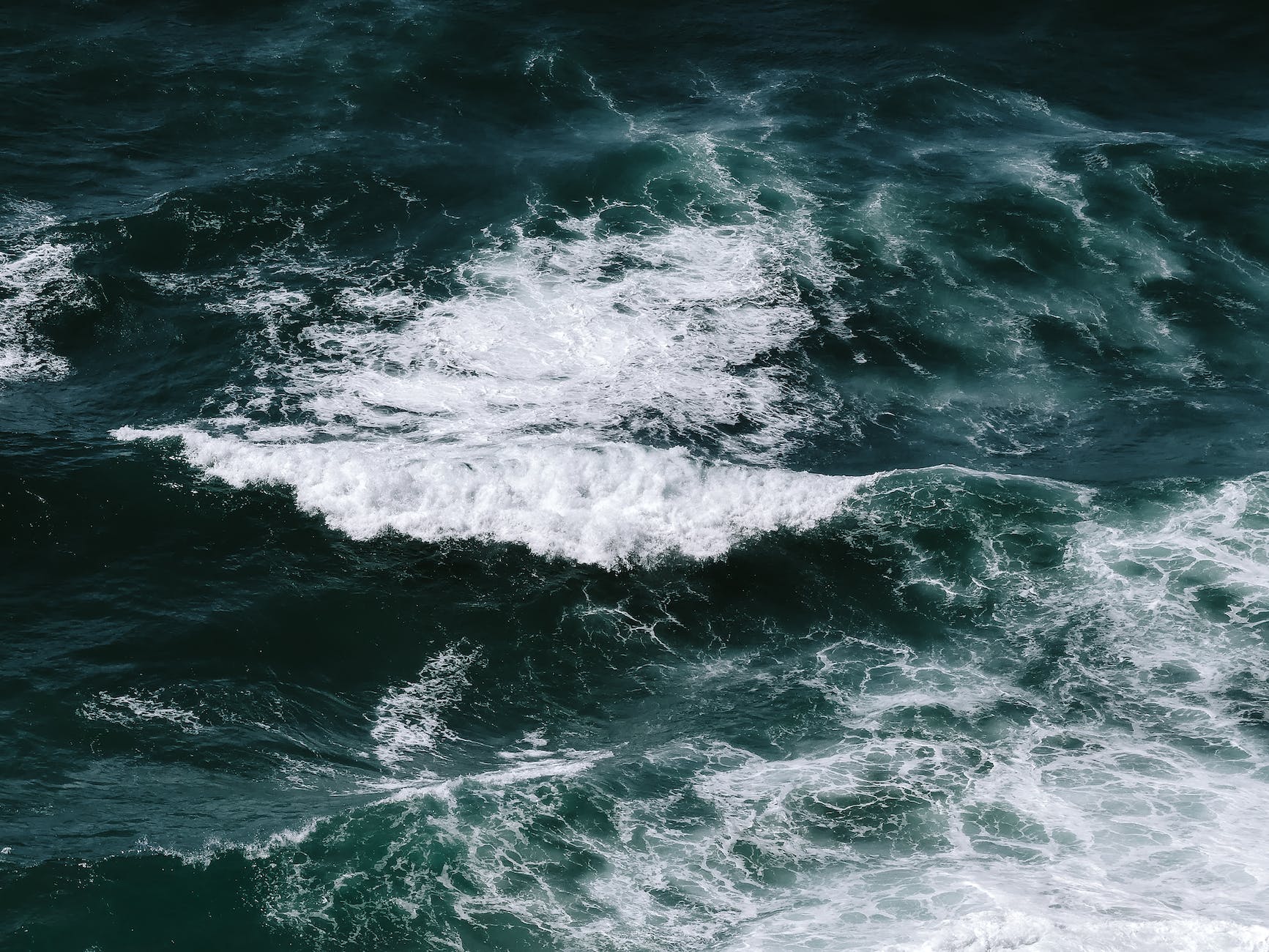

We often hear about water and air pollution, but there’s another type of pollution that’s not as well-known but equally concerning: thermal pollution. This environmental issue is caused by human activities that release excess heat into water bodies, disrupting their delicate balance and harming aquatic life. In this article, we will look into what thermal pollution is, how it happens, and its effects on our environment.
What is Thermal Pollution?
Thermal pollution is the harmful increase in water temperature in lakes, rivers, or oceans due to human activities. When industries, power plants, or even our homes release heated water into natural water bodies, it raises the temperature, which can have serious consequences for the ecosystem.
How Does Thermal Pollution Happen?
The primary sources of thermal pollution include:
- Power Plants: Many power plants use water to cool their equipment, like turbines. After using this water, it’s released back into rivers or lakes at higher temperatures, affecting the natural temperature of the water body.
- Industries: Certain industries, like steel mills and factories, generate high-temperature wastewater during their production processes. When this water is discharged into nearby water bodies, it contributes to thermal pollution.
- Urbanization: Cities with a lot of concrete and asphalt absorb more heat, raising the surrounding air temperature. When rainwater from these areas enters rivers or streams, it can elevate the water temperature.
- Aquaculture Operations: Some aquaculture practices involve the use of heated water for fish farming or shrimp cultivation. If the water is not adequately contained or managed, it can lead to localized thermal pollution in the surrounding water bodies.
- Artificial Lakes and Reservoirs: The construction of artificial lakes or reservoirs for various purposes, such as hydroelectric power generation or irrigation, can lead to thermal pollution if the water released from the reservoir is significantly warmer than the receiving downstream water.
Effects of Thermal Pollution
Thermal pollution can have various negative effects on the environment:
- Aquatic Life: Many aquatic organisms, like fish and invertebrates, are highly sensitive to changes in water temperature. Even a slight increase can stress or kill these creatures, disrupting the food chain and ecosystem.
- Decreased Oxygen Levels: Warmer water holds less dissolved oxygen, which is essential for aquatic life. Thermal pollution can lead to decreased oxygen levels, making it harder for fish and other organisms to breathe.
- Altered Reproduction: Certain species of fish and other aquatic organisms depend on specific temperature ranges for successful breeding. Thermal pollution can disrupt their reproductive cycles, leading to population decline.
- Changes in Biodiversity: The alteration of water temperature can cause some species to thrive while others struggle, leading to changes in the diversity and abundance of aquatic life in affected areas.
- Harm to Plants: Aquatic plants are also impacted by thermal pollution. Some plants may die or experience stunted growth due to increased temperatures.
Preventing and Mitigating Thermal Pollution
To combat thermal pollution, we can take several actions:
- Implement Cooling Technologies: Industries and power plants can adopt cooling technologies that use less water or recirculate cooling water to minimize temperature impacts on natural water bodies.
- Green Spaces: Creating green spaces in urban areas can help reduce the urban heat island effect and lower the temperature of rainwater entering rivers and streams.
- Strict Regulations: Governments can enforce stricter regulations on water discharge temperature to limit the impact of thermal pollution.
Thermal pollution may not be as visible as other forms of pollution, but its impact on our environment and aquatic life is significant.
Some FAQs on Thermal Pollution
Q: Can thermal pollution affect water quality?
A: Yes, thermal pollution can impact water quality by reducing dissolved oxygen levels and causing imbalances in aquatic ecosystems. It can also affect the growth and survival of aquatic plants and lead to changes in water chemistry.
Q: Are there regulations to address thermal pollution?
A: Yes, many countries have regulations and guidelines in place to control water discharge temperatures and limit the impact of thermal pollution. These regulations aim to protect aquatic ecosystems and ensure sustainable water management practices.
Q: What can individuals do to help reduce thermal pollution?
A: Individuals can contribute to reducing thermal pollution by conserving energy, supporting renewable energy sources, and promoting sustainable practices. Being mindful of water usage and supporting efforts to protect water bodies can also make a difference.
Q: Is thermal pollution a reversible issue?
A: In some cases, thermal pollution can be reversible through the implementation of appropriate mitigation measures. However, in severe cases, the damage to aquatic ecosystems may be challenging to fully restore, making prevention and early action essential in addressing this issue.
Q: Is thermal pollution a point or non-point source pollution?
A: Thermal pollution is generally considered a point source pollution because it originates from specific locations where heated water is directly discharged into water bodies, such as from power plants or industrial facilities.
Q: Is thermal pollution barely lethal to aquatic life?
A: The lethality of thermal pollution depends on its severity and the sensitivity of the aquatic organisms. In some cases, even a slight increase in water temperature can be harmful to certain species, while others may be more tolerant. Severe thermal pollution can indeed be lethal to aquatic life.
Q: Is thermal pollution limited to water bodies only?
A: Yes, thermal pollution is primarily limited to water bodies like lakes, rivers, and oceans. It is caused by the release of heated water into these natural systems.
Q: Is thermal pollution a result of thermal change?
A: Yes, thermal pollution is a result of the thermal change in water bodies. It occurs when heated water is introduced into the natural water environment, leading to an increase in water temperature.
Q: Is thermal pollution a type of water pollution?
A: Yes, thermal pollution is a type of water pollution. It involves altering the temperature of water bodies through human activities, which can have detrimental effects on aquatic ecosystems and the organisms living in them.
You May Also Like

 Decoding Biosphere