
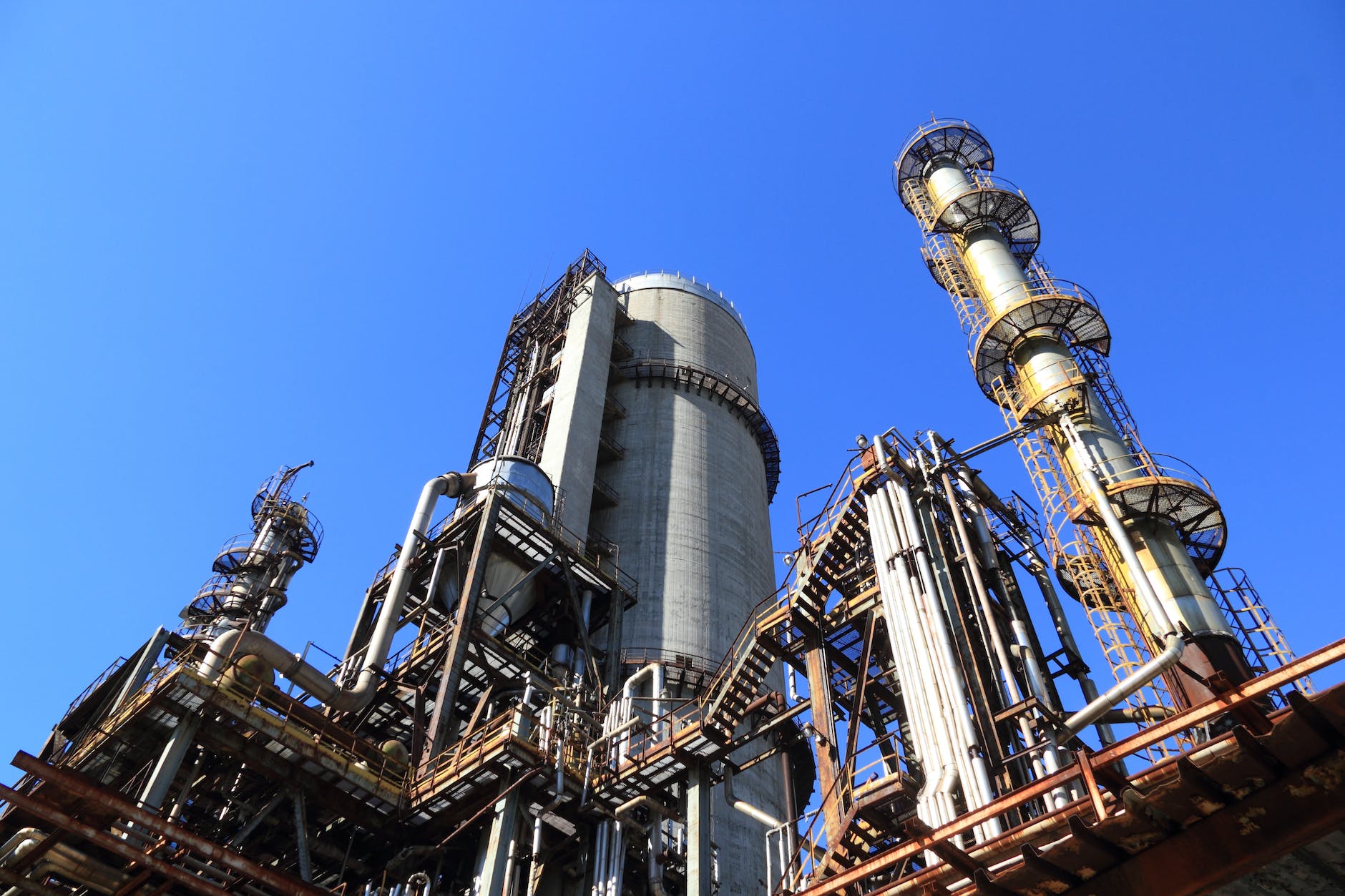
In the world of industries, keeping equipment and processes cool is very important for smooth operations and efficiency. From power plants to manufacturing facilities, cooling technologies play a crucial role in maintaining optimal temperatures. In this article, we will explore some cooling technologies used in industries, their importance, and how they help ensure everything runs smoothly.
Why Cooling is Important in Industries
Many industrial processes generate heat, and excess heat can cause problems. Overheating can damage machinery, reduce performance, and even halt production. Cooling is essential to prevent these issues, improve equipment lifespan, and ensure safe working conditions for employees.
Common Cooling Technologies
Cooling Towers:
Cooling towers are tall structures used in industrial settings to remove excess heat generated by processes and equipment. They work on the principle of evaporative cooling, where hot water is sprayed or circulated over a fill material, and the heat is dissipated through evaporation. As water evaporates, it cools down, and the cooled water is then recirculated back to the process or equipment. Cooling towers play a crucial role in maintaining optimal operating temperatures, enhancing efficiency, and preventing equipment damage in industries and power plants.
Heat Exchangers:
Heat exchangers are devices used in various industries to transfer heat between two fluids without them mixing. They come in different designs, such as shell-and-tube or plate heat exchangers. Hot fluid flows through one side of the exchanger, while a cooler fluid flows on the other side. Heat is exchanged through the walls of the exchanger, allowing the cooler fluid to absorb the heat from the hot fluid. Heat exchangers are essential in applications like refrigeration, air conditioning, chemical processing, and HVAC systems, contributing to energy efficiency and precise temperature control in industrial processes.
Chillers:
Chillers are cooling systems commonly used in industries and commercial buildings to remove heat from liquids or air. They work by circulating a refrigerant through a compressor, condenser, expansion valve, and evaporator. The refrigerant absorbs heat from the process or air, cooling it down, and then releases the heat outside. Chillers are vital for air conditioning, data centers, food processing, and industrial cooling applications, providing precise temperature control and enhancing energy efficiency.
Evaporative Cooling:
Evaporative cooling is a natural and energy-efficient cooling process that harnesses the power of water evaporation to lower air temperatures. This cooling method involves passing warm air over water-soaked pads or surfaces, where the water evaporates and absorbs heat from the air, thus reducing its temperature. Evaporative cooling is widely used in evaporative coolers, also known as swamp coolers, to provide cost-effective and eco-friendly cooling solutions for indoor spaces and large areas. This sustainable cooling approach is particularly effective in dry climates, offering a refreshing and comfortable environment while consuming less energy compared to traditional air conditioning systems.
Refrigeration Systems:
Refrigeration systems are essential cooling systems used in various industries and everyday life to preserve and chill products. These systems work by circulating a refrigerant through a closed loop, where it undergoes compression and expansion to absorb and release heat. By removing heat from the desired area, refrigeration systems cool and maintain low temperatures, allowing for food preservation, air conditioning, and industrial processes. These systems play a vital role in ensuring product freshness, comfort, and efficiency in both commercial and domestic settings, making them indispensable for modern living.
Benefits of Cooling Technologies in Industries
- Enhanced Efficiency: Cooling technologies ensure machinery and equipment operate at optimal temperatures, leading to improved efficiency and reduced downtime.
- Increased Lifespan: By preventing overheating, cooling technologies extend the lifespan of expensive industrial equipment, saving on replacement costs.
- Safety: Cooling technologies help maintain safe working conditions for employees by preventing equipment overheating and potential accidents.
- Environmental Benefits: Some cooling technologies use water as a cooling medium, which can be recycled and is more environmentally friendly than other cooling methods.
- Process Control: Precise temperature control provided by cooling technologies is essential in certain industries, like chemical processing and food production, where temperature fluctuations can impact product quality.
Cooling technologies are an indispensable part of industries worldwide, keeping processes running smoothly, protecting equipment, and ensuring safety. From cooling towers to refrigeration systems, each technology serves a specific purpose and contributes to the overall efficiency of industrial operations. As technology advances, so do cooling methods, making industries more sustainable, cost-effective, and productive.
Some FAQs on Cooling Technologies in Industries
Q: What are cooling technologies in industries?
A: Cooling technologies in industries refer to various methods and equipment used to remove excess heat from industrial processes and equipment, ensuring optimal operating temperatures and preventing overheating.
Q: Can cooling technologies be customized for specific industrial applications?
A: Yes, cooling technologies can be customized to suit specific industrial needs. Different industries require different cooling capacities and temperature control, and cooling solutions can be tailored accordingly.
Q: Are cooling technologies environmentally friendly?
A: Many cooling technologies, such as evaporative cooling systems, are considered more environmentally friendly than traditional air conditioning systems. They use less energy and consume fewer resources, making them a greener option in certain applications.
Q: How do cooling technologies contribute to energy efficiency in industries?
A: Cooling technologies help maintain optimal operating temperatures, preventing unnecessary energy consumption due to equipment overheating. By efficiently managing heat, they contribute to overall energy efficiency in industrial processes.
Q: Can cooling technologies be integrated with renewable energy sources?
A: Yes, cooling technologies can be integrated with renewable energy sources, such as solar power, to further enhance their eco-friendliness and reduce carbon footprints in industries.
You May Also Like

 Decoding Biosphere