
Aquatic plants, also known as hydrophytes or macrophytes, have adapted to thrive in aquatic environments—whether saltwater or freshwater. These remarkable plants play crucial roles in ecosystems, providing habitat, oxygen, and food for various organisms.
Introduction to Aquatic Plants
Aquatic plants, also known as hydrophytes, are plants that have adapted to live and thrive in aquatic environments. They can be found in a variety of habitats, including oceans, rivers, lakes, ponds, and wetlands. Unlike terrestrial plants, which draw nutrients and water from the soil, aquatic plants have evolved specialized adaptations to survive and flourish in waterlogged conditions.
Types of Aquatic Plants
Aquatic plants come in a wide array of shapes, sizes, and forms, each uniquely adapted to its aquatic habitat. Some of the most common types of aquatic plants include:
- Submerged Plants: Submerged plants, also known as submersed or underwater plants, grow entirely beneath the water’s surface. Their leaves and stems are adapted to absorb nutrients and oxygen directly from the water column. Examples of submerged plants include eelgrass, hornwort, and waterweed.
- Floating Plants: Floating plants, as the name suggests, float on the water’s surface, with their roots dangling below. These plants play an essential role in providing shade and habitat for aquatic organisms while helping to control nutrient levels in the water. Common examples of floating plants include water lilies, duckweed, and water hyacinth.
- Emergent Plants: Emergent plants are rooted in the soil or sediment below the water’s surface but have stems and leaves that extend above the waterline. These plants are often found along the margins of lakes, rivers, and wetlands, where they provide valuable habitat for wildlife. Cattails, bulrushes, and sedges are examples of emergent plants.
- Algae: Algae are a diverse group of photosynthetic organisms that can be found in virtually every aquatic environment. They range from single-celled microalgae to large multicellular seaweeds. Algae play a crucial role in aquatic ecosystems by producing oxygen, providing food for aquatic organisms, and serving as indicators of water quality.
Functions of Aquatic Plants
Aquatic plants perform a variety of essential functions within aquatic ecosystems, including:
- Oxygen Production: Like their terrestrial counterparts, aquatic plants photosynthesize, converting sunlight into energy and releasing oxygen as a byproduct. Submerged and floating plants are particularly effective at oxygenating the water, providing vital oxygen for fish and other aquatic organisms.
- Habitat and Shelter: Aquatic plants provide habitat and shelter for a diverse array of aquatic organisms, including fish, invertebrates, and amphibians. Emergent and floating plants offer refuge for nesting birds, while submerged plants provide hiding places for small fish and invertebrates.
- Nutrient Cycling: Aquatic plants play a crucial role in nutrient cycling within aquatic ecosystems. They absorb nutrients such as nitrogen and phosphorus from the water, helping to regulate nutrient levels and prevent eutrophication, a process characterized by excessive algae growth and oxygen depletion.
- Erosion Control: The extensive root systems of aquatic plants help stabilize sediments and prevent erosion along shorelines and riverbanks. Emergent plants, in particular, act as natural buffers against wave action and water currents, reducing the risk of soil erosion and habitat loss.
- Water Filtration: Aquatic plants act as natural filters, trapping sediment and absorbing pollutants from the water. Floating plants such as duckweed and water hyacinth are especially effective at removing excess nutrients and contaminants from the water, helping to improve water quality.
Adaptations and Diversity
- Aerenchyma: Aquatic plants possess lightweight internal packing cells called aerenchyma. These cells allow them to float or grow submerged in water. Floating leaves and finely dissected leaves are also common adaptations.
- Distribution: Aquatic plants can be found worldwide, from serene freshwater lakes to salty coastal regions. They thrive in diverse biomes, including wetlands, rivers, and oceans.
- Variety: The diversity of aquatic plants is astounding. From the colossal Amazon water lily to the tiny duckweed, these plants come in various shapes, sizes, and colors.
Ecological Impact
- Primary Producers: Aquatic plants are primary producers, forming the foundation of food webs. They capture sunlight through photosynthesis, producing energy and oxygen.
- Habitat and Cover: Macrophytes provide cover for fish and substrate for aquatic invertebrates. They create safe havens for small animals like frogs and insects.
- Water Quality: Aquatic plants influence soil chemistry and light levels. They slow down water flow, capturing pollutants and trapping sediments. Some even absorb pollutants into their tissues.
Challenges Facing Aquatic Plants
Despite their ecological importance, aquatic plants face numerous threats from human activities and environmental changes. Some of the key challenges facing aquatic plants include:
- Habitat Loss: The destruction and degradation of aquatic habitats, including wetlands, rivers, and coral reefs, threaten the survival of many aquatic plant species.
- Invasive Species: The introduction of non-native invasive species can outcompete native aquatic plants and disrupt aquatic ecosystems. Invasive species such as water hyacinth and hydrilla can form dense mats that choke waterways and degrade habitat quality.
- Pollution: Pollution from agricultural runoff, urban runoff, and industrial discharges can degrade water quality and harm aquatic plants. Excess nutrients, sedimentation, and toxic chemicals can disrupt plant growth and ecosystem function.
- Climate Change: Climate change poses significant threats to aquatic plants through rising temperatures, altered precipitation patterns, and sea level rise. These changes can disrupt plant growth cycles, shift habitat ranges, and increase the frequency and intensity of extreme weather events.
- Overfishing: Overfishing and destructive fishing practices can deplete fish populations that rely on aquatic plants for habitat and food. Removing key predators can also disrupt food webs and lead to ecosystem imbalances.
Notable Aquatic Plants
- Water Hyacinth (Eichhornia crassipes):
- Features bright lavender-blue flowers and glossy, rounded leaves.
- Originally from South America, particularly the Amazon Basin.
- An invasive species in some regions due to rapid growth.

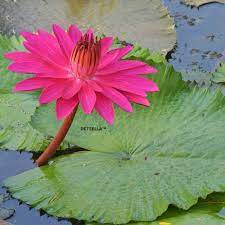
- Water Lily (Nymphaea spp.):
- Iconic floating plant with large, elegant leaves and fragrant flowers.
- Symbolizes purity and tranquility in many cultures.
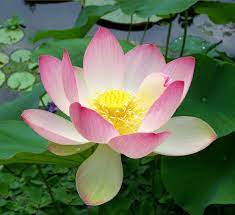
- Lotus (Nelumbo spp.):
- Sacred in Asian religions.
- Thrives in muddy or shallow waters.
- Known for its stunning pink or white flowers.
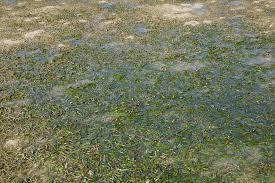
- Seagrasses (Thalassia, Zostera):
- Unique angiosperms adapted to complete submersion in seawater.
- Form extensive underwater meadows, providing habitat for marine life.
- Water Lettuce (Pistia stratiotes):
- A floating plant with rosettes of light green leaves.
- Often found in slow-moving freshwater bodies.
- Provides shelter for small fish and invertebrates.

- Hornwort (Ceratophyllum demersum):
- A submerged plant with feathery, branching leaves.
- Common in ponds and lakes.
- Oxygenates water and serves as a refuge for aquatic organisms.

- Duckweed (Lemna spp.):
- Tiny, free-floating plants resembling green discs.
- Reproduces rapidly and forms dense mats on water surfaces.
- A valuable food source for waterfowl.

- Water Pennywort (Hydrocotyle spp.):
- Creeping plant with round leaves resembling coins.
- Grows along stream banks and in shallow water.
- Provides habitat for insects and small amphibians.

- Salvinia (Salvinia spp.):
- Floating fern with distinctive paired leaves.
- Helps control excess nutrients by absorbing them.
- Creates a microhabitat for aquatic creatures.

Aquatic plants are integral components of aquatic ecosystems, providing essential ecosystem services, supporting biodiversity, and enhancing the beauty and resilience of our waterways. From the majestic seagrass meadows of the ocean floor to the tranquil lily pads of freshwater ponds, aquatic plants enrich our lives in countless ways.
You May Also Like

 Decoding Biosphere