
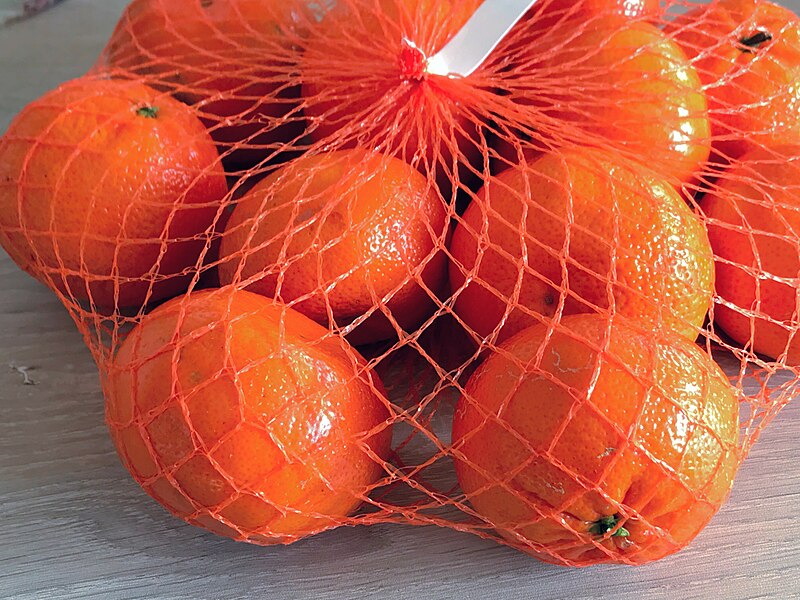
You know those mesh or string bags that citrus fruits or onions often come in? We all hate them, don’t we? They seem like such a nuisance, and after using them, many of us toss them straight into the bin. But did you ever stop to think about how harmful they might be or whether they’re biodegradable?
Let’s explore whether there’s a better way to deal with them. Can they be recycled, reused, or do they just end up in landfill?
Are Mesh/String Bags Biodegradable?
First off, it’s important to note that these mesh bags are usually NOT biodegradable. Even though they feel lightweight and harmless, they’re typically made of plastic, such as polypropylene or nylon. This means they can take hundreds of years to break down, just like other plastic products. They’re not going to disappear anytime soon if they end up in the environment.
Avoiding Them Wherever Possible
One of the easiest ways to deal with these bags is by trying to avoid them altogether. When shopping, look for loose fruits and vegetables or bring your own reusable produce bags. This way, you’re cutting down on the waste before it even begins.
But if you do find yourself with one of these bags, don’t worry! There are ways to reuse and recycle them.
Creative Reuse Ideas for Mesh Bags
1. Scrubbing Pads for Cleaning
Instead of throwing them away, you can turn those bags into DIY scrubbers. Simply ball up a couple of mesh bags, tie them together, and you’ve got a handy, reusable scrub pad for washing dishes or cleaning surfaces. They’re especially good for scrubbing tough stains or dirt without scratching delicate surfaces.
2. Organize Small Items
Mesh bags are perfect for organizing small items around your home. You can use them to store kids’ toys, keep onions or garlic together in your kitchen, or even as a small storage solution for things like craft supplies, buttons, or sewing threads.
3. Fruit and Veggie Holder
The mesh design is ideal for storing produce like garlic, onions, or potatoes. Since the bag allows airflow, it can help keep the produce fresh longer by preventing moisture build-up, which often leads to spoilage.
4. Beach and Garden Tools
If you spend time gardening or visiting the beach, mesh bags can be handy for carrying tools or collecting shells. The holes in the bag let dirt or sand fall out, making them perfect for outdoor activities.
5. Craft Projects
If you or your kids enjoy getting creative, mesh bags can be used for all sorts of crafty projects. From weaving them into decorations to using them as paintbrush cleaners, the possibilities are endless. You can even try making your own reusable shopping bag by sewing a few mesh bags together.
Recycling Mesh Bags
Recycling these bags is tricky because, in most areas, they can’t go in your household recycling bin. They’re made of plastic, but their net-like structure can get tangled in recycling machines, causing problems for recycling centers.
Instead, check if your local grocery store or recycling center accepts soft plastics like these mesh bags. Some supermarkets have collection points where you can drop off items like plastic bags, food wrappers, and even mesh bags for recycling.
Where Do They End Up?
Sadly, if not reused or properly recycled, these bags often end up in landfills. Since they’re made from plastic, they will break down into microplastics over time, which can be harmful to wildlife and the environment. This makes it even more important to find ways to reuse or avoid them whenever possible.
The Conclusion: A Small Change, Big Impact
So, while it’s true that these mesh bags are not biodegradable, you can still minimize their impact by reusing them in creative ways or recycling them properly. With a bit of thought, they don’t have to go straight to the landfill. And next time you’re out shopping, think about whether you really need that plastic mesh bag or if there’s a more sustainable option.
By making small changes like avoiding these bags or finding ways to reuse them, we can all make a big difference in reducing plastic waste!


 Decoding Biosphere
Dear Decoding Biosphere,
I found your article moments after I had second thoughts about sending an inquiry to HalosFun.com. I had written them a question regarding the “net” bags their “Halos” fruit come in, but when going to submit my inquiry, I had to click on their acknowledgment button saying that I had read and agreed to their Privacy Notice. When I read their notice, I was literally stunned. It was the worst “tracking” notice I had ever read. Truly horrific.
Immediately below, I’ve pasted for you the inquiry I was going to send them. Having now read your helpful article, I don’t suppose I need their “Customer Service” response. God bless you for your concern for our environment. Until our Maker gives us the “New Heavens and New Earth” He promised, we need to be grateful for — and careful with — the earth He’s already provided.
Below then is the inquiry I had intended on sending:
Dear Halos,
Your “Wonderful Halos” are packaged in a colorful “net” material, and when I cut open the bag, little fragments of the net-bag go everywhere. But it’s even worse when I finish eating the halos and I use scissors to cut the bag into pieces before discarding it (so fish won’t get caught in its netting in the event our garbage gets dumped in the ocean). BUT THIS IS WHERE I HAVE A QUESTION, PLEASE … Is it possible your plastic net-bags actually disintegrate in salt water? or are they in fact a danger to fish? Thanks for any feedback you can offer on this. If they naturally disintegrate, I won’t have to cut apart their bags each time I discard them. I see that your label says “Non-GMO Project,” showing you have a concern for matters of health, but if your net-bags are a danger to fish, I think we have a rather clear-cut contradiction here. Thanks for reading this and for any response you might offer me 🙂
LikeLike
Dear Mark,
Thank you for reaching out and sharing your thoughtful inquiry. It’s heartening to see such a genuine concern for the environment and the impact of packaging materials. Your proactive approach to cutting the net bags to prevent harm to marine life is truly commendable.
We’re glad you found value in our article and that it resonated with your concerns about sustainable practices. The issue of plastic netting, particularly in food packaging, is indeed a pressing environmental matter. While we cannot speak for HalosFun.com or their policies, your question about the biodegradability and safety of their packaging is vital and highlights an issue that many consumers overlook.
As you noted, even eco-conscious labels such as “Non-GMO” can sometimes coexist with less environmentally friendly packaging practices, creating contradictions that need addressing. If companies like HalosFun.com were to receive more inquiries like yours, it might encourage them to consider eco-friendly alternatives for their net bags—such as biodegradable or compostable materials.
Thank you again for taking such thoughtful steps to protect our environment. Every small action adds up, and voices like yours inspire broader conversations about sustainability. If you have further questions or insights, we’d love to hear them!
Best regards,
Team Decoding Biosphere
LikeLike
Thank you so much, “Team” at Decoding Biosphere, for your gracious response. May God richly bless each and every one of you!
LikeLike