In today’s world, the concept of sustainability is becoming increasingly important. People are looking for ways to reduce their environmental impact and protect the planet for future generations. One way we can achieve this is through the use of green technology, also known as green tech. But what exactly is green tech, and how does it work? In this article, we’ll explore the ins and outs of green technology, including its types and examples, in simple terms that anyone can understand.
What is Green Technology?
Green technology, or green tech for short, refers to the development and use of technology that is environmentally friendly and sustainable. The goal of green technology is to minimize negative impacts on the environment while still meeting the needs of society.
Green tech encompasses a wide range of technologies and practices across various sectors, including energy, transportation, agriculture, construction, and waste management. These technologies aim to reduce resource consumption, minimize pollution, and mitigate climate change.
How Does Green Technology Work?
Green technology works by harnessing renewable resources, improving energy efficiency, reducing waste, and minimizing environmental harm. Here are some key principles behind how green technology works:
- Renewable Energy: Green technology often focuses on harnessing renewable sources of energy such as sunlight, wind, water, and biomass. These sources are abundant and do not produce greenhouse gas emissions or other harmful pollutants when used to generate electricity or heat.
- Energy Efficiency: Another important aspect of green technology is improving energy efficiency in various processes and systems. This can include developing more efficient appliances, vehicles, and building designs that require less energy to operate.
- Resource Conservation: Green technology aims to conserve natural resources by promoting recycling, reusing materials, and reducing waste generation. By minimizing resource consumption, we can reduce our environmental footprint and preserve finite resources for future generations.
- Pollution Prevention: Green technology seeks to minimize pollution and environmental harm by using cleaner production methods, reducing emissions, and implementing pollution control technologies. This helps protect air, water, and soil quality and safeguard human health and ecosystems.
Types of Green Technology
Green technology encompasses a wide range of technologies and practices. Here are some common types of green technology:
- Renewable Energy Technologies: These technologies harness renewable sources of energy such as solar power, wind power, hydroelectric power, and geothermal energy. Solar panels, wind turbines, hydroelectric dams, and geothermal heat pumps are examples of renewable energy technologies.
- Energy Efficiency Technologies: Energy efficiency technologies aim to reduce energy consumption and improve energy efficiency in various applications. This includes energy-efficient appliances, LED lighting, smart thermostats, insulation materials, and building designs that optimize natural lighting and ventilation.
- Green Transportation: Green transportation technologies include electric vehicles (EVs), hybrid vehicles, fuel-efficient engines, public transportation systems, and infrastructure for biking and walking. These technologies reduce reliance on fossil fuels and cut emissions from the transportation sector.
- Green Building Technologies: Green building technologies focus on designing and constructing buildings that are energy-efficient, environmentally friendly, and healthy for occupants. This includes energy-efficient HVAC systems, passive solar design, green roofs, recycled building materials, and sustainable construction practices.
- Waste Management Technologies: Waste management technologies aim to reduce, reuse, and recycle waste to minimize environmental impact. This includes composting, anaerobic digestion, recycling facilities, waste-to-energy plants, and landfill diversion programs.
- Water Conservation Technologies: Water conservation technologies help reduce water consumption and minimize water waste in various sectors. This includes low-flow fixtures, water-efficient irrigation systems, rainwater harvesting, greywater recycling, and wastewater treatment technologies.
Examples of Green Technology
- Solar Photovoltaic (PV) Panels: Solar PV panels convert sunlight into electricity using semiconductor materials. They can be installed on rooftops or in large solar farms to generate clean, renewable energy.
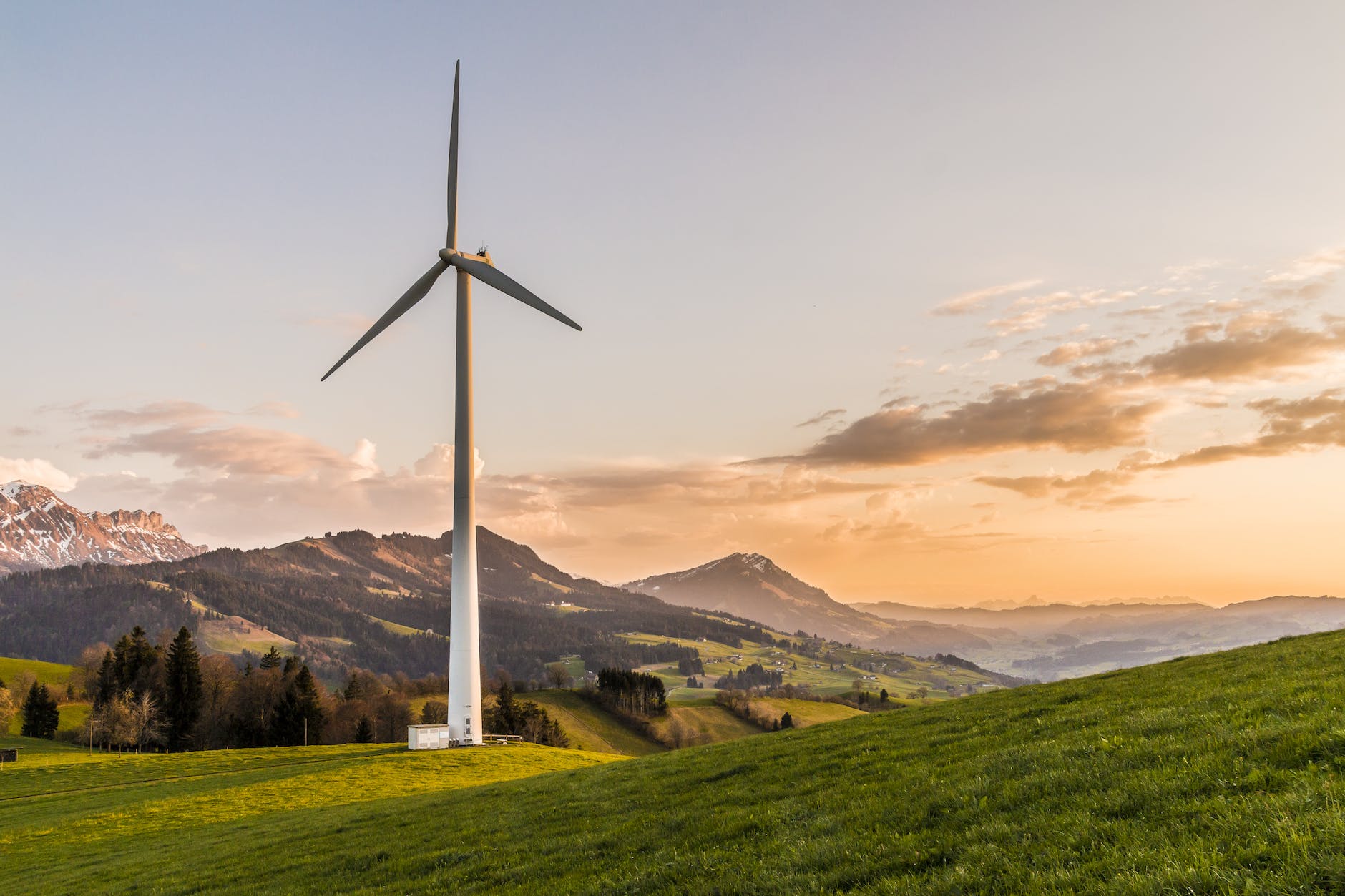
- Wind Turbines: Wind turbines harness the kinetic energy of wind to generate electricity. They consist of large blades mounted on a tower that rotate and drive a generator to produce power.
- Electric Vehicles (EVs): Electric vehicles are powered by electric motors and batteries, rather than internal combustion engines fueled by gasoline or diesel. They produce zero tailpipe emissions and can be charged using electricity from renewable sources.
- Energy-Efficient LED Lighting: LED (light-emitting diode) lighting is more energy-efficient and longer-lasting than traditional incandescent and fluorescent lights. LED bulbs consume less electricity and emit less heat, helping reduce energy consumption and cooling costs.
- Green Roofs: Green roofs are vegetated roof systems that help improve energy efficiency, reduce stormwater runoff, and mitigate urban heat island effects. They consist of a waterproofing membrane, drainage layer, growing medium, and vegetation.
- Smart Grid Technology: Smart grid technology enables more efficient and reliable distribution of electricity by integrating advanced sensors, communication networks, and control systems. It allows utilities to monitor and manage energy demand in real-time, optimize grid performance, and integrate renewable energy sources.
Conclusion
Green technology holds tremendous promise for addressing environmental challenges and promoting sustainable development. By harnessing renewable resources, improving energy efficiency, and minimizing pollution, green technology can help create a more sustainable and resilient future for all.
You May Also like


 Decoding Biosphere