Composting toilets are a great eco-friendly option for sustainable living. They offer a practical solution in areas with limited water resources while minimizing our environmental impact. Let’s explore the benefits and potential drawbacks of composting toilets.
What Are Composting Toilets?
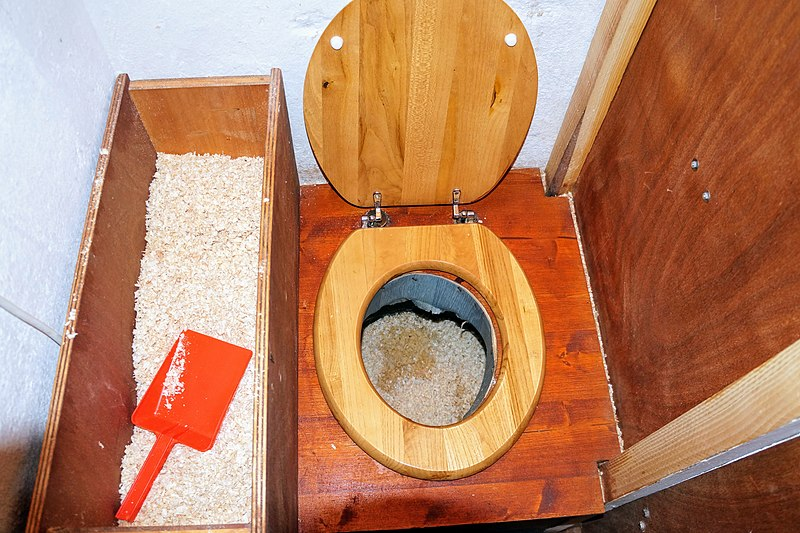
Composting toilets are a waterless sanitation solution designed to turn human waste into nutrient-rich compost. Unlike traditional flush toilets that rely on water to transport waste, composting toilets use natural processes to break down and decompose solid waste into a valuable soil conditioner.
Pros of Composting Toilets:
- Water Conservation:
- Composting toilets save water by eliminating the need for flushing. In a world where water scarcity is a growing concern, this feature stands out as a significant advantage.
- Eco-Friendly Waste Treatment:
- These toilets contribute to sustainable waste management by converting human waste into compost, reducing the reliance on sewage treatment plants.
- No Plumbing Required:
- Composting toilets operate independently of plumbing systems, making them suitable for remote areas or locations without access to traditional sewage infrastructure.
- Reduced Energy Consumption:
- Traditional sewage treatment plants require energy for operation. Composting toilets, being decentralized, help reduce the overall energy demand of waste management.
- Low Maintenance:
- Composting toilets are generally low-maintenance, requiring occasional monitoring and emptying of compost bins. This simplicity makes them a practical choice for various settings.
- Odor Control:
- Properly designed composting toilets effectively manage odors through ventilation systems, ensuring a more pleasant bathroom experience.
- Nutrient-Rich Compost:
- The compost generated by these toilets is a valuable resource for enriching soil. It can be used as fertilizer for plants, closing the nutrient loop.
- Versatility:
- Composting toilets come in various designs, including self-contained units and central systems, catering to different needs and preferences.
- Off-Grid Living:
- Ideal for off-grid living, composting toilets enable sustainable practices in remote areas without access to municipal sewage systems.
- Cost Savings:
- Long-term cost savings result from reduced water usage, lower infrastructure requirements, and the potential for on-site composting.
- Reduced Environmental Impact:
- By treating waste on-site, composting toilets decrease the environmental impact associated with transporting and treating sewage at centralized facilities.
- Independence from Septic Tanks:
- Composting toilets eliminate the need for septic tanks, reducing the risk of groundwater contamination and potential soil degradation.
Cons of Composting Toilets:
- Initial Cost:
- The upfront cost of installing a composting toilet can be higher compared to traditional flush toilets.
- Learning Curve:
- Users may need time to adjust to the proper use and maintenance of composting toilets, which can involve specific guidelines for waste separation.
- Space Requirements:
- Some composting toilet systems may require more space than traditional toilets, limiting their suitability for smaller bathrooms.
- Temperature Sensitivity:
- Composting efficiency may be influenced by temperature, with colder climates potentially slowing down the decomposition process.
- Emptying Frequency:
- Compost bins need periodic emptying, and users must be comfortable with handling compost material.
- Regulatory Challenges:
- Building codes and regulations may vary, posing challenges for widespread adoption and acceptance of composting toilets in certain regions.
- Potential for Mechanical Failures:
- Some composting toilet models may have mechanical components that could fail over time, requiring repairs or replacements.
Composting toilets represent a step towards a more sustainable and environmentally conscious future. While they come with some challenges, the numerous benefits they offer in terms of water conservation, waste reduction, and soil enrichment make them a promising option for eco-friendly living.
You May Also Like


 Decoding Biosphere