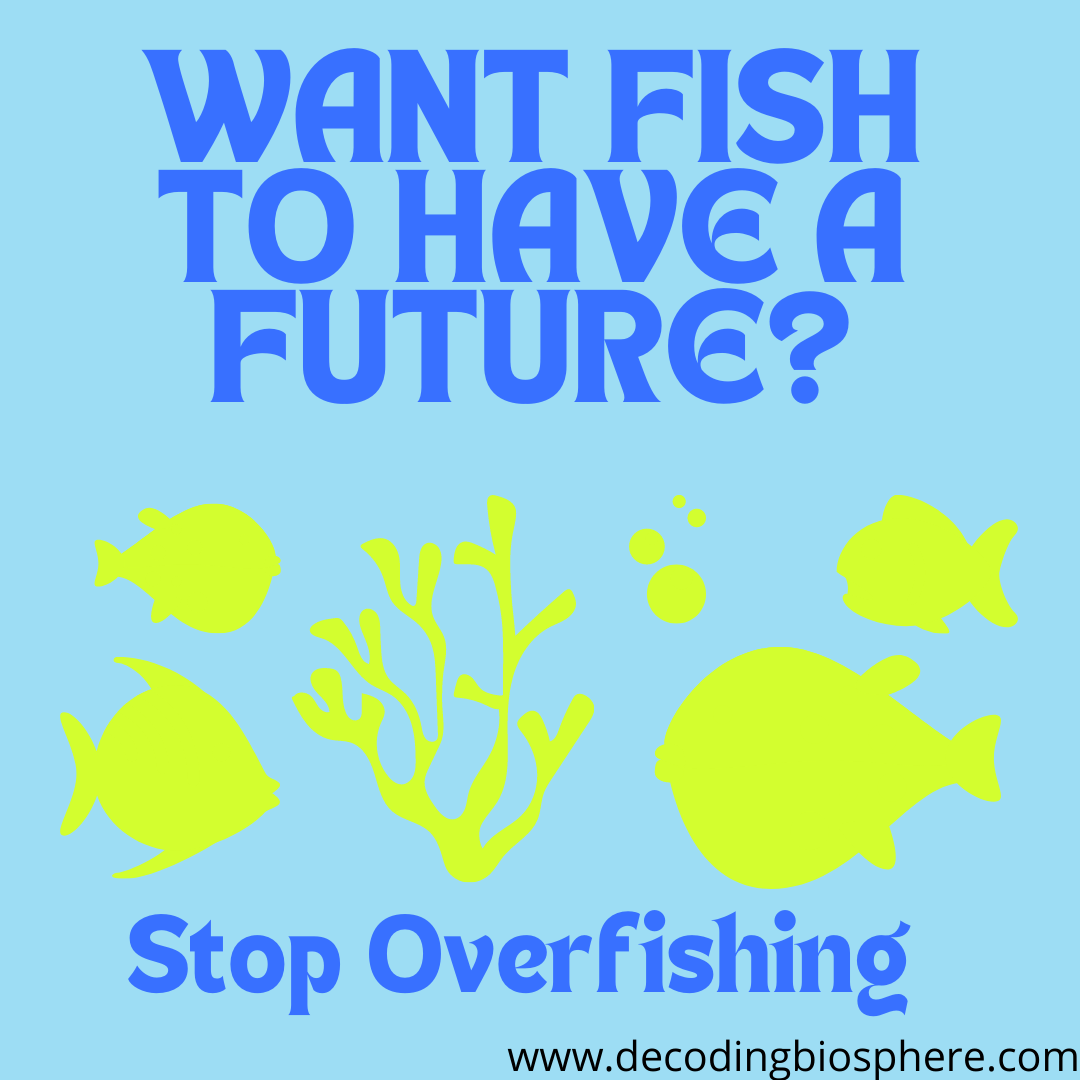
Our planet is home to a delicate web of ecosystems that must remain in balance to support life. Unfortunately, human activity has increasingly disrupted this equilibrium—especially in our oceans, where overfishing has emerged as one of the most pressing environmental threats.
What is Overfishing?
Marine ecosystems are the largest of Earth’s aquatic ecosystems and exist in waters that have a high salt content. They consist of a variety of aquatic species living under various depths of the water. Oceans cover almost 70% of the earth’s surface and the overall balance of marine life is essential for the sustainability of life in other ecosystems.
Ocean overfishing simply means catching fish from the sea at rates too high where fish stocks become too depleted to recover. This causes drastic effects on the future of both ocean and land dwellers.
“Overfishing occurs when more fish are caught than the population can replace through natural reproduction. Gathering as many fish as possible may seem like a profitable practice, but overfishing has serious consequences. The results not only affect the balance of life in the oceans, but also the social and economic well-being of the coastal communities who depend on fish for their way of life.”

Causes of Overfishing
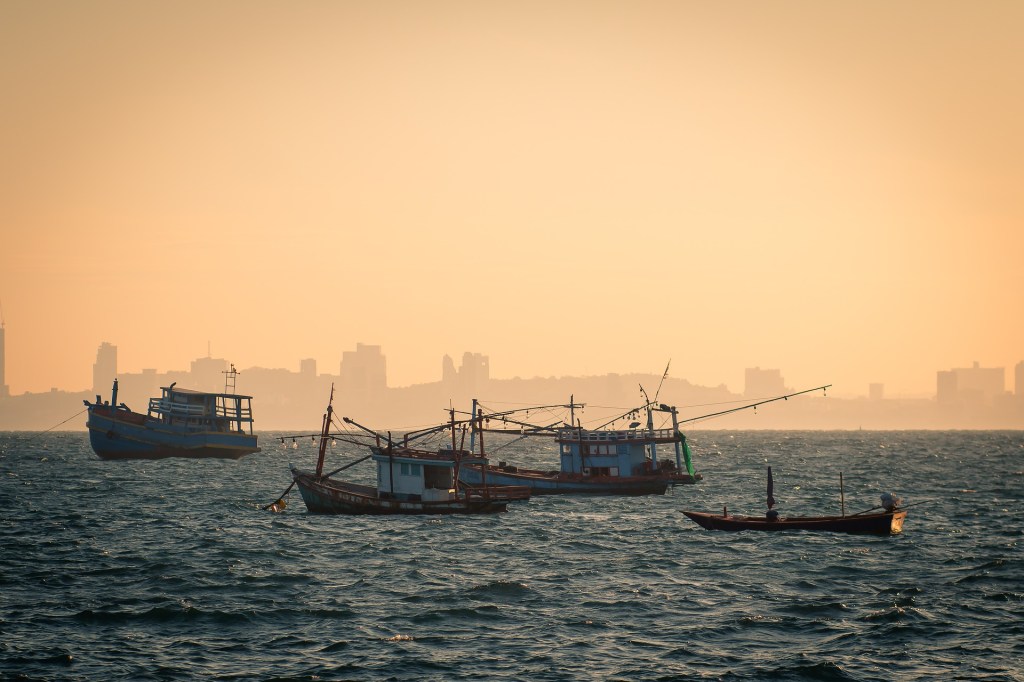
The fishing industry is one of the oldest industries and a means of living for millions of people living by the coast. However, due to advancements in fishing technology, increasing demands and the urge to gain more profits, overfishing has become a problem today. Let us look at some of the drivers for this problem.
- Excessive Fishing Efforts: Technological advances such as industrial trawlers and sonar have made it possible to catch massive quantities of fish, far exceeding sustainable limits.
- Illegal, Unreported, and Unregulated (IUU) Fishing:
Weak enforcement and poor monitoring allow many fishers to operate outside legal frameworks, causing extensive damage to marine ecosystems. - Destructive Fishing Methods
Practices like bottom trawling and cyanide fishing destroy habitats and indiscriminately catch marine species, many of which are not the intended targets. - Lack of Fisheries Management
Inadequate or outdated regulations, quotas, and enforcement tools have allowed unsustainable fishing practices to flourish. - Government Subsidies
Global subsidies—estimated at billions of dollars annually—encourage the expansion of industrial fleets, even when fish stocks are declining. - Inaccurate or Incomplete Data
A lack of reliable scientific data on fish stocks prevents effective policy-making and enforcement of sustainable catch limits. - Global Demand for Seafood
Rising demand, driven by population growth and shifting dietary preferences, puts additional strain on already fragile marine populations. - Climate Change and Habitat Degradation
Warmer ocean temperatures and pollution alter fish migration patterns and breeding cycles, exacerbating the stress caused by overfishing.
Impacts of Overfishing
Current estimates are that overfishing has impacted over 85% of the world’s fish resources and that most fisheries are fished far beyond their sustainable capacity. While this is resulted to have long-term effects on human consumption, there are also a number of other impacts, such as:
- Removal of Essential Predators: Sharks and tuna are particularly susceptible to overfishing, and when they are removed from the areas they live in, this means that sea creatures further down the food chain are negatively impacted. Populations can grow larger, and the role that these larger creatures play –from what they eat to how their bodies decompose –mean potentially fatal effects for ocean ecosystems.
- Poor Coral Reef Health: With a larger amount of smaller marine creatures comes greater damage to coral reefs and other elements of the ocean‟s ecosystem. Reefs are essential to ocean life, and once they are harmed, it is hard to repair the damage, if at all.
- Growth of Algae: In controlled amounts, algae are essential to helping marine life thrive, but if it is allowed to grow at will, it can impact fish, reefs, and more, leading to serious destruction.
- The Threat to Local Food Sources: There are a number of communities around the world that rely on fish as their primary resource for food. The growth of overfishing has caused a serious threat to these communities, which are often located in developing countries. Without the ability to catch their food, their populations are threatened.
- Financial Losses: A lot of communities that rely on fish for food also rely on low-level fishing industries for economic viability. These enterprises, as opposed to large-scale fishing ones, typically do far less damage to their marine life because they are on a much smaller scale. However, when these communities can‟t access food or financial support, they are likely to have trouble in the future.
- An absolute Imbalance of the Marine Ecosystems: Overfishing has a very detrimental effect on marine ecosystems. The situation can be so bad that the fish might not be able to sustain themselves any longer. Also, when a particular species of fish is caught repeatedly and in an unchecked manner, the food chain of the waterbody is affected too. As a result of that, many other species of fishes dependent on that one particular species suffers due to the lack of food and dies.
- Rise of the Endangered Species: With the rise of the targeted species, another category of species grows too. These are the untargeted species that soon turn into endangered species. This happens because of the prevailing ecological imbalance and also because proper efforts are not put in place to increase the population in a waterbody.

Solutions to Overfishing
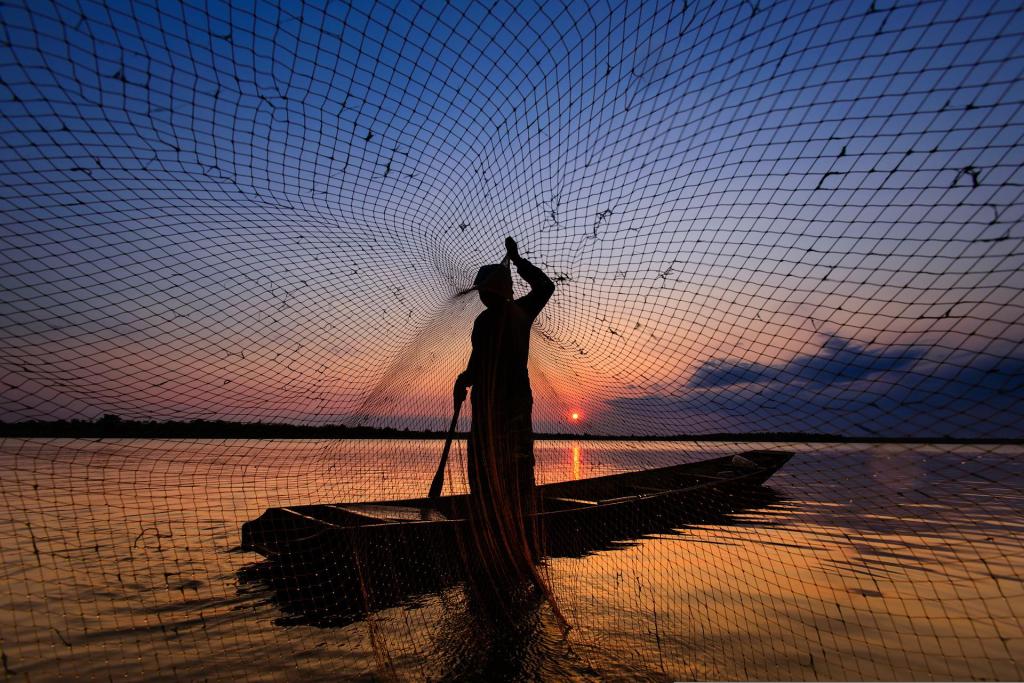
The effects of overfishing are vast, and many of them won’t be known until they are actually negatively impacting human life on the planet. Some of the potential solutions to stop overfishing are discussed below:
1. Create more Marine Protected Areas
Currently less than 2% of the world’s ocean are protected in marine parks and less than 1% are protected from any kind of fishing. More no-fishing zones should be created to allow the fish populations to recover and replenish themselves and ensure fishing for future generations.
2. Stop Trawling
Trawling drags huge nets through the ocean that scoops out every animal and the ecosystem in its pathway, resulting in massive wasteful by-catch and the dead fishes are thrown back into the ocean as they were not the targets. Trawling needs to be banned outright as we don’t have that kind of sea life to waste.
3. Reducing Subsidies:
Many governments subsidize the fishing industry with subsidies, in an effort to keep the industry thriving. The problem with this is that it incentivizes fishermen to continue to expand, which means that subsidies only end up contributing to the problem of overfishing. Hence governments should reform the fishing industries with certain rules and monitoring systems as well as reduce the subsidies given to them.
4. Responsible Farming:
When done correctly, farming fish can lead to a sustainable way of providing food and resources to the global population. So far, this practice has seen success with species of fish that are prone to overfishing, such as arctic char and bass.
5. Worldwide Catch Shares
Catch share is a system of fishing management that is proven to allow the fish stock to replenish while saving the livelihood of the fishing communities. A total allowable catch is established, using scientific data about the health of the fish stocks and the environment in a certain area, and catch shares are licensed out to each fishing business telling exactly how much of each seafood species they are allowed to catch. Using catch share makes seafood more valuable, meaning a higher profit for the fisherman while protecting the environment.
6. Make smart consumer choice
We can make smarter food choices by choosing to eat more sustainable seafood. Avoid big fish which have been overfished for years, like marlin tuna and shark, and eat small fish instead. It is saddening to know that 90% of the big fish are gone. The big fish are important for our ecosystem and are also full of toxic substances from the ocean pollution which makes them unsafe to eat.
7. Labels For Consumers
Groups are also trying to target consumers to be more aware of the seafood they buy and eat. There are pamphlets and handy guides that help educate consumers about which fish are endangered due to overfishing, and which areas of the world the fish come from. Many of these, such as the one from the Monterey Bay Aquarium, offer choices of fish that aren’t as in danger.
8. Educating retailers
The retailers are for sure seeking benefits, that is why they pay more for the fisheries that can catch a big amount of fish. Because of the benefits, the retailers often forget that it not only could make the population of fish out of number but also hamper another ecosystem. This is the kind of education that we have to educate retailers.
9. Monitoring
Because the sea’s area is large, this makes fisheries easier to catch some species of fish that is prohibited by the government, because they can go so far where there is no government monitoring of catching fish. The step that should be taken by the government is by monitoring their seas constantly so that they can arrest the illegal fisheries.
10. Join campaign and support organization
You can join some campaigns that support the protection of fish and try to reduce the overfishing. Some well known campaigns are Oceana, Fish2fork, The Black Fish etc If you can’t join such campaigns, you may support some organization. The support that you can give to them can in a form of donations, and promoting the organization toward society.
Conclusion
Overfishing is a serious concern which is impacting the marine ecosystem of the earth. It poses a significant threat to the health of our oceans and the global fishing industry. By addressing the root causes and adopting sustainable solutions, we can work towards preserving marine ecosystems, ensuring food security, and sustaining the livelihoods of those who depend on the sea.
Frequently Asked Questions (FAQs) About Overfishing
🔹 What is overfishing in simple words?
Overfishing happens when too many fish are caught from oceans, rivers, or lakes, and the fish population can’t recover quickly enough. This leads to a decline in fish numbers and harms the entire marine ecosystem.
🔹 Why is overfishing a problem?
Overfishing disrupts the balance of marine life, causes the extinction of key species, destroys habitats like coral reefs, and threatens the food security and income of millions of people who rely on fishing.
🔹 What are the main causes of overfishing?
The primary causes of overfishing include industrial fishing practices, lack of regulation and enforcement, illegal and unreported fishing, government subsidies, high global seafood demand, and climate change.
🔹 How does overfishing affect humans?
Overfishing reduces the availability of seafood, impacts coastal economies, and can lead to the collapse of entire fishing industries. It also threatens the food supply for communities that rely heavily on fish as a primary source of protein.
🔹 What are the solutions to overfishing?
Solutions to overfishing include creating marine protected areas, banning destructive fishing methods like trawling, reducing fishing subsidies, promoting sustainable seafood choices, improving fisheries management, and raising awareness among consumers and retailers.
🔹 How can I help reduce overfishing?
You can help by:
- Choosing sustainably sourced seafood
- Avoiding overfished species (like tuna, shark, and marlin)
- Supporting organizations and campaigns focused on ocean conservation
- Educating others about the impacts of overfishing
🔹 Which fish species are most affected by overfishing?
Species like bluefin tuna, Atlantic cod, orange roughy, and certain types of sharks are among the most overfished due to high demand and slow reproductive rates.
🔹 Can overfishing be reversed?
Yes, with the right conservation efforts, such as implementing catch limits, enforcing fishing bans in certain areas, and restoring marine habitats, fish populations can recover over time. Success stories from countries like the U.S. and Iceland show that it is possible.
Sources:
- https://www.worldwildlife.org/threats/overfishing
- https://oceaninfo.com/ocean/conservation/overfishing/


 Decoding Biosphere