
Propane is one of the safest and clean sources that can be used for home heating. If you are planning to buy a house with propane heating, the one question that pops up in your mind is if it is safe to use Propane. While propane has gained popularity as a clean and efficient fuel alternative, it’s important to unmask the hidden drawbacks and evaluate whether it’s truly worth the hype.
It is important to note that propane is one of the most efficient and affordable sources of home heat that you can have. It not only reduces your energy consumption but also reduces greenhouse emissions. In this article, we have tried to clarify all the doubts that one can have about using propane heating systems for their homes.
What is propane?
Propane, also known as Liquid Petroleum Gas (LPG) is a by-product of natural gas. In America, people usually recognize it by the name of propane only.
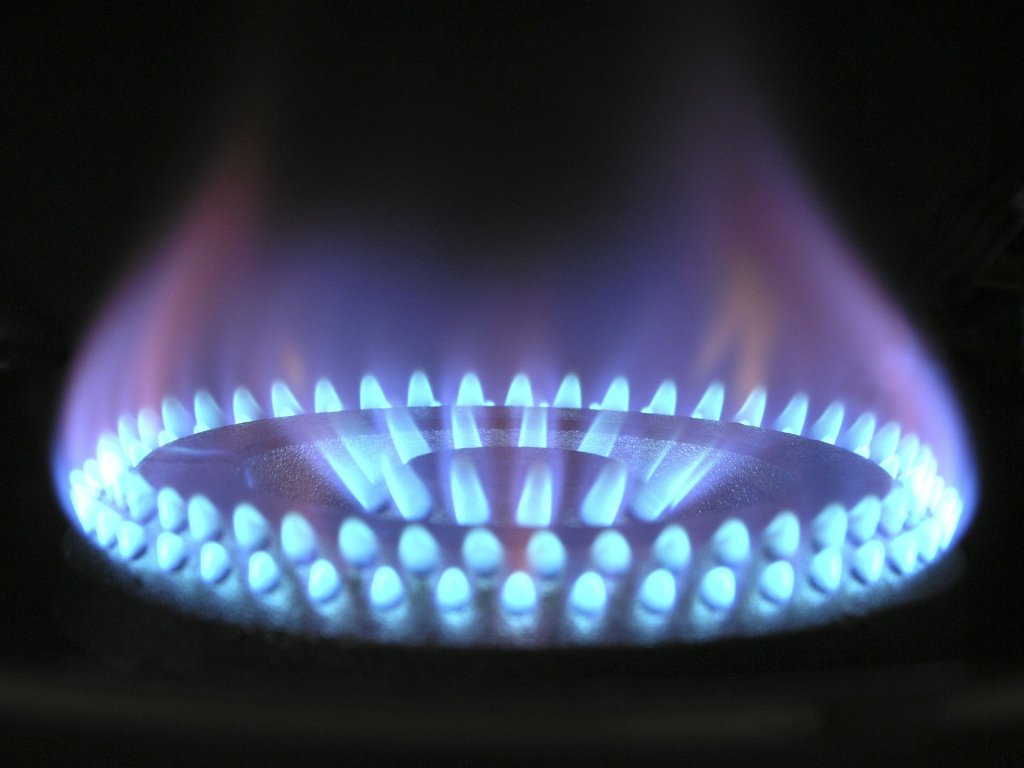
It is a gas normally compressed and stored as a liquid. It is nontoxic, colorless, and virtually odorless; an identifying odor is added so it can be detected. Propane is commonly used for space and water heating, for cooking, and as fuel for engine applications such as forklifts, farm irrigation engines, fleet vehicles, and buses; however, its applications are rapidly growing due to new technology developments. When used as vehicle fuel, propane is known as propane Autogas.
Where does propane come from?
Propane is primarily a byproduct of domestic natural gas processing. When natural gas is processed, propane is one of the components that is removed, along with butane and ethane. When petroleum is made into gasoline or heating oil, propane is a by-product. Therefore propane comes from either natural gas or petroleum.
Advantages of Propane HEAT
Propane heat offers several advantages for residential and commercial heating applications. Here are some of the key benefits:
Clean source of energy:
Propane is an approved clean fuel listed in the 1990 Clean Air Act. Substituting propane for other fuels such as gasoline and fuel oil is an economical and viable step toward cleaner air. Using propane reduces the greenhouse gas carbon dioxide and air pollutants like carbon monoxide and nitrogen oxide.
Affordable:
Despite the fluctuating oil prices, domestic propane production is expected to continue to grow rapidly, keeping downward pressure on average propane prices relative to oil prices.
Reliable:
It is one of the most reliable sources of the energy needs of the people. During extreme weather, the electric grid could fail, but propane can continuously heat and power homes and offices.
Abundant source
It is found in abundance. The amount generated is usually more than the demand. Propane is an abundant “bridge fuel,” making it a clean-burning alternative to gasoline and diesel that can address energy challenges while long-term renewable technologies are developed.
Performance
Some people with electric heat pumps complain that the heat coming from their air return isn’t very warm. Propane heaters create higher heat temperatures, so the heat coming out of the air registers is noticeably warmer, which makes those cold winter months just a little more bearable.
Instant Heat
Propane heating systems provide quick and efficient heating, meaning you don’t have to wait for the system to warm up before feeling the effects of the heat.

Disadvantages of Propane HEAT
Availability
Propane is not as widely available as diesel fuel or gasoline. Relatively few gas stations have the large pressurized tanks necessary to store propane in a liquid state, so drivers of propane vehicles have to plan ahead. Home propane systems are generally filled by propane trucks, which also requires more forethought than using electrical heaters.
Safety
Propane gas is very flammable, and if it escapes into a confined space can build up and explode if exposed to a spark or flame. In a domestic setting, this means propane lines must be very carefully inspected to ensure they aren’t leaking. Damaged propane tanks can also be an explosion risk, as their internal pressure could cause them to burst.
Logistics
Most propane requires delivery. It’s not something piped to your home, so you have to wait for a truck to deliver fuel and fill your propane tank.
If you’re using a propane-fueled furnace, you will need a large tank that takes up space. Thus propane works well for rural areas such as acreages and farms with lots of space. But if you’re living on a property with limited space, propane may not be the best option for you.
Health Disadvantage
Propane comes with a downside. In particular, you run the risk of propane poisoning, a condition similar to frostbite. If you inhale or swallow propane, you can die from propane poisoning.
Also, you run the risk of carbon monoxide poisoning when you use propane. If you’re not burning propane under optimal conditions, the propane will not combust completely, and your furnace will release carbon monoxide.

Environmental impact of propane heat
While propane is considered to have a lower environmental impact compared to some other fossil fuels, it’s important to understand that it is still a hydrocarbon-based fuel and contributes to carbon emissions and other environmental considerations. Here’s an overview of the environmental impact of propane heat:
- Carbon Emissions: Burning propane releases carbon dioxide (CO2) into the atmosphere, contributing to the greenhouse effect and global warming. However, propane combustion produces fewer CO2 emissions per unit of energy compared to other fossil fuels like coal and oil.
- Air Quality: Propane combustion produces fewer air pollutants and particulate matter compared to other fossil fuels, leading to improved air quality and reduced local pollution.
- Methane Leakage: Propane is a component of natural gas, and methane is a significant component of both propane and natural gas. Methane is a potent greenhouse gas, and any leakage of propane or methane during production, storage, or transportation can contribute to environmental concerns.
- Energy Efficiency: The energy efficiency of propane heating systems can mitigate some of the environmental impact by using the fuel more effectively and minimizing waste.
- Sustainability: Propane itself is a non-renewable resource extracted from natural gas or oil refining. As a finite resource, its long-term sustainability is a concern. However, there are efforts to produce propane from renewable sources, such as bio-propane, derived from biomass.
Comparing propane heat with other heating options
Comparing propane heat with other heating options involves considering factors like fuel cost, system efficiency, environmental impact, installation expenses, and overall convenience. Here’s a comparison of propane heat with some common heating alternatives:
- Natural Gas:
- Fuel Cost: Natural gas tends to be cheaper than propane in many areas, primarily due to its widespread availability and infrastructure.
- Efficiency: Natural gas heating systems can be highly efficient, similar to propane systems.
- Environmental Impact: Natural gas emits fewer greenhouse gases than propane per unit of energy but still contributes to carbon emissions.
- Installation: Natural gas requires a connection to a gas pipeline, so availability is limited to areas with gas lines.
- Maintenance: Maintenance requirements for natural gas systems are generally similar to propane systems.
- Cost Consideration: Natural gas might have a cost advantage due to lower fuel prices in regions with access to gas pipelines.
- Electricity:
- Fuel Cost: Electric heating can be expensive due to higher electricity prices, especially in colder climates.
- Efficiency: Electric resistance heating is less efficient than propane or natural gas systems.
- Environmental Impact: The environmental impact depends on the energy mix used to generate electricity in your region.
- Installation: Electric heating systems are often easier to install, as they don’t require fuel delivery or storage.
- Maintenance: Electric heating systems usually have fewer maintenance requirements compared to combustion-based systems.
- Cost Consideration: While electric heating might have lower upfront installation costs, its ongoing operational costs can be higher.
- Heating Oil:
- Fuel Cost: Heating oil prices can fluctuate and may be comparable to propane prices in some regions.
- Efficiency: Propane heating systems tend to be more efficient than heating oil systems.
- Environmental Impact: Heating oil emits more pollutants and CO2 than propane or natural gas.
- Installation: Heating oil systems require storage tanks and regular fuel deliveries.
- Maintenance: Maintenance requirements for heating oil systems are similar to propane systems.
- Cost Consideration: Propane is often considered a cleaner and more efficient alternative to heating oil.
- Renewable Energy Systems (Solar, Geothermal, Heat Pumps):
- Fuel Cost: These systems can offer lower operational costs over time due to using renewable energy sources.
- Efficiency: Geothermal and heat pump systems can be very efficient, while solar depends on sunlight availability.
- Environmental Impact: Renewable systems have a lower environmental impact compared to fossil fuels.
- Installation: Installation costs can be higher upfront, but long-term savings and environmental benefits are substantial.
- Maintenance: Maintenance requirements vary but are generally manageable.
- Cost Consideration: Initial costs are higher, but these systems offer energy savings and environmental advantages.
Final Thoughts
Even though using propane heating at heat has some disadvantages, you will still find propane as the most affordable, clean and safe source of energy as compared to other sources.
Let me know your views on this article by commenting in the below section. You can follow the blog or subscribe to get the updates on the latest articles.
Follow us on twitter @DecodingBiosph1
You May Also Like


 Decoding Biosphere
One thought on “Pros and Cons of Propane Heat at Home”