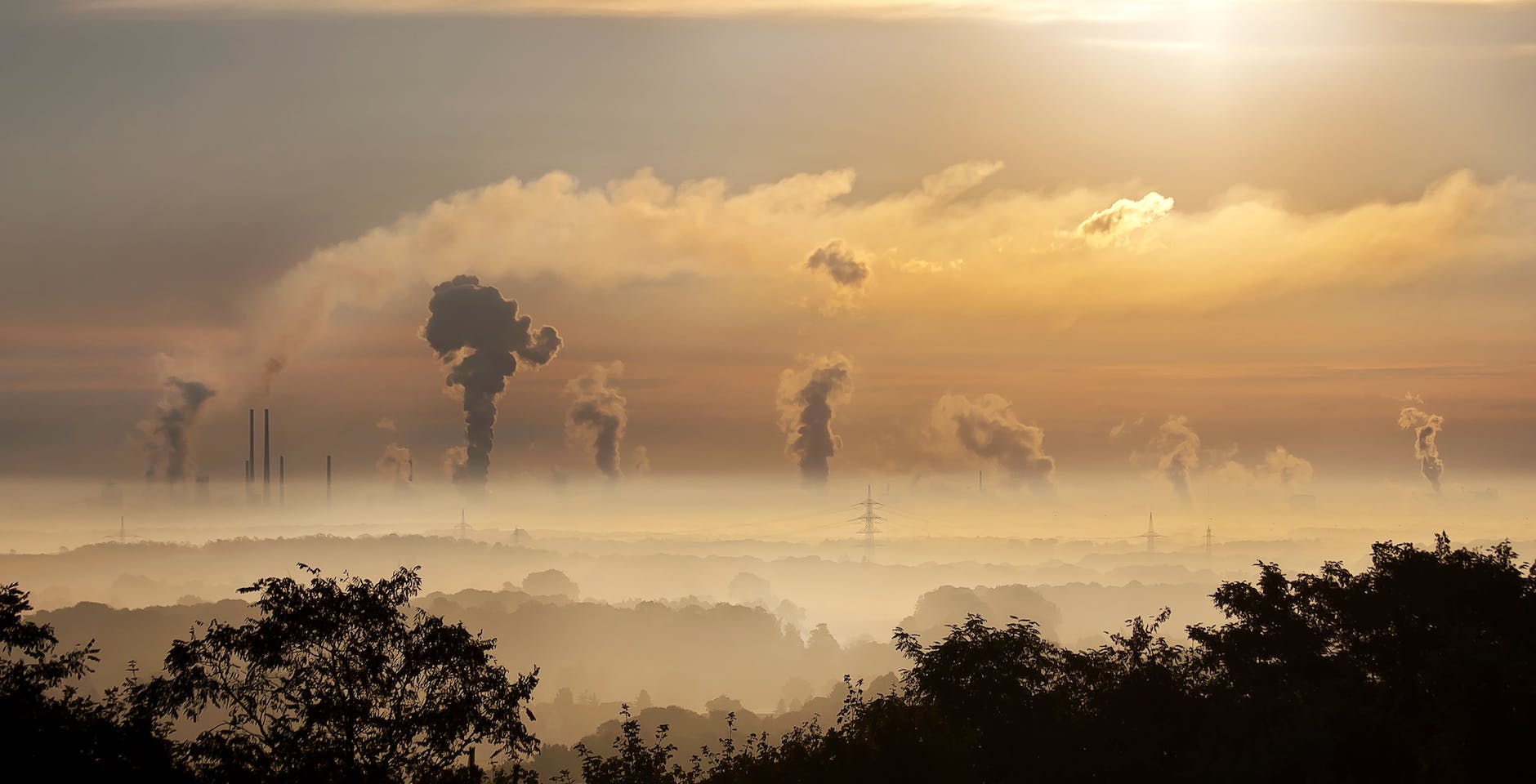
In the fight against climate change, the concept of carbon sequestration has gained significant attention and importance. Carbon sequestration refers to the process of capturing and storing carbon dioxide (CO2) from the atmosphere, preventing its release into the environment and mitigating its impact on global warming. In this article, we will explore the fascinating world of carbon sequestration, understand its various forms, and examine its crucial role in tackling climate change.
Understanding Carbon Sequestration:
Carbon sequestration is a natural or engineered process that captures carbon dioxide from the atmosphere and stores it in carbon sinks, which can be terrestrial (land-based) or oceanic. It acts as a crucial counterbalance to the increasing concentration of CO2 in the atmosphere, helping to reduce greenhouse gas emissions and mitigate the effects of climate change.
Types of Carbon Sequestration:
- Terrestrial Carbon Sequestration:
- a. Forests and Vegetation: Trees and plants absorb CO2 through photosynthesis, utilizing it to produce energy while releasing oxygen. Forests and vegetation act as significant carbon sinks, storing carbon in their biomass and soils.
- b. Soil Carbon: Healthy soils contain organic matter that stores carbon. Agricultural practices, such as conservation tillage, cover cropping, and agroforestry, can enhance soil carbon sequestration and promote sustainable farming.
- c. Wetlands: Wetlands, including marshes, swamps, and peatlands, have the ability to store vast amounts of carbon. These ecosystems accumulate organic matter over time, effectively sequestering carbon and reducing CO2 emissions.
- Oceanic Carbon Sequestration:
- a. Ocean Uptake: The world’s oceans naturally absorb and store large quantities of CO2 from the atmosphere. Surface waters absorb CO2, and it is subsequently transported to the deep ocean through various physical and biological processes.
- b. Marine Life: Marine organisms, particularly phytoplankton, play a crucial role in carbon sequestration through photosynthesis. When these organisms die, they sink to the ocean floor, sequestering carbon in sediments and potentially forming carbon-rich deposits over time.
- Engineered Carbon Sequestration:
- a. Carbon Capture and Storage (CCS): CCS involves capturing CO2 emissions from industrial processes, power plants, and other large-scale sources, then compressing and injecting the captured CO2 into geological formations deep underground, such as depleted oil and gas fields or saline aquifers.
- b. Direct Air Capture (DAC): DAC technologies directly capture CO2 from the ambient air using various techniques, such as chemical sorption or adsorption, and then concentrate and store the captured CO2 in underground geological formations or through other utilization methods.
Importance of Carbon Sequestration:
- Climate Change Mitigation: Carbon sequestration plays a vital role in mitigating climate change by removing CO2 from the atmosphere, thereby reducing greenhouse gas concentrations and slowing down global warming.
- Ecosystem Preservation: Carbon sequestration initiatives, such as reforestation and the protection of natural habitats, contribute to biodiversity conservation and the preservation of vital ecosystems.
- Sustainable Land Management: Practices that enhance carbon sequestration in soils promote soil fertility, water retention, and erosion control, fostering sustainable agriculture and land management practices.
- Carbon Offsetting: Carbon sequestration projects provide opportunities for individuals, organizations, and industries to offset their carbon emissions by investing in initiatives that capture and store CO2, helping achieve carbon neutrality.
Challenges and Considerations:
While carbon sequestration holds immense promise, it also presents challenges and considerations:
- Scale and Durability: Implementing large-scale carbon sequestration projects requires substantial resources and long-term commitments to ensure significant and durable carbon storage.
- Monitoring and Verification: Accurate measurement, monitoring, and verification mechanisms are essential to ensure the effectiveness and integrity of carbon sequestration projects. Transparent accounting methods are necessary to prevent double-counting or leakage of stored carbon.
- Environmental Impacts: Some carbon sequestration methods, such as ocean fertilization or certain engineering approaches, may have unintended environmental consequences and require careful assessment to avoid potential risks.
- Long-Term Sustainability: Carbon sequestration should not replace efforts to reduce greenhouse gas emissions at their source. It should be seen as a complementary approach while transitioning to cleaner energy sources and adopting sustainable practices.
Take Away Points:
Carbon sequestration represents a powerful tool in the fight against climate change. By harnessing nature’s ability to capture and store carbon, we can mitigate the impact of greenhouse gas emissions and move towards a more sustainable future. Implementing various forms of carbon sequestration, from forests and soils to engineered solutions, allows us to actively address climate change, protect ecosystems, and promote sustainable land management practices. As we navigate the challenges of a changing climate, carbon sequestration offers hope for a healthier and more resilient planet for generations to come.

 Decoding Biosphere