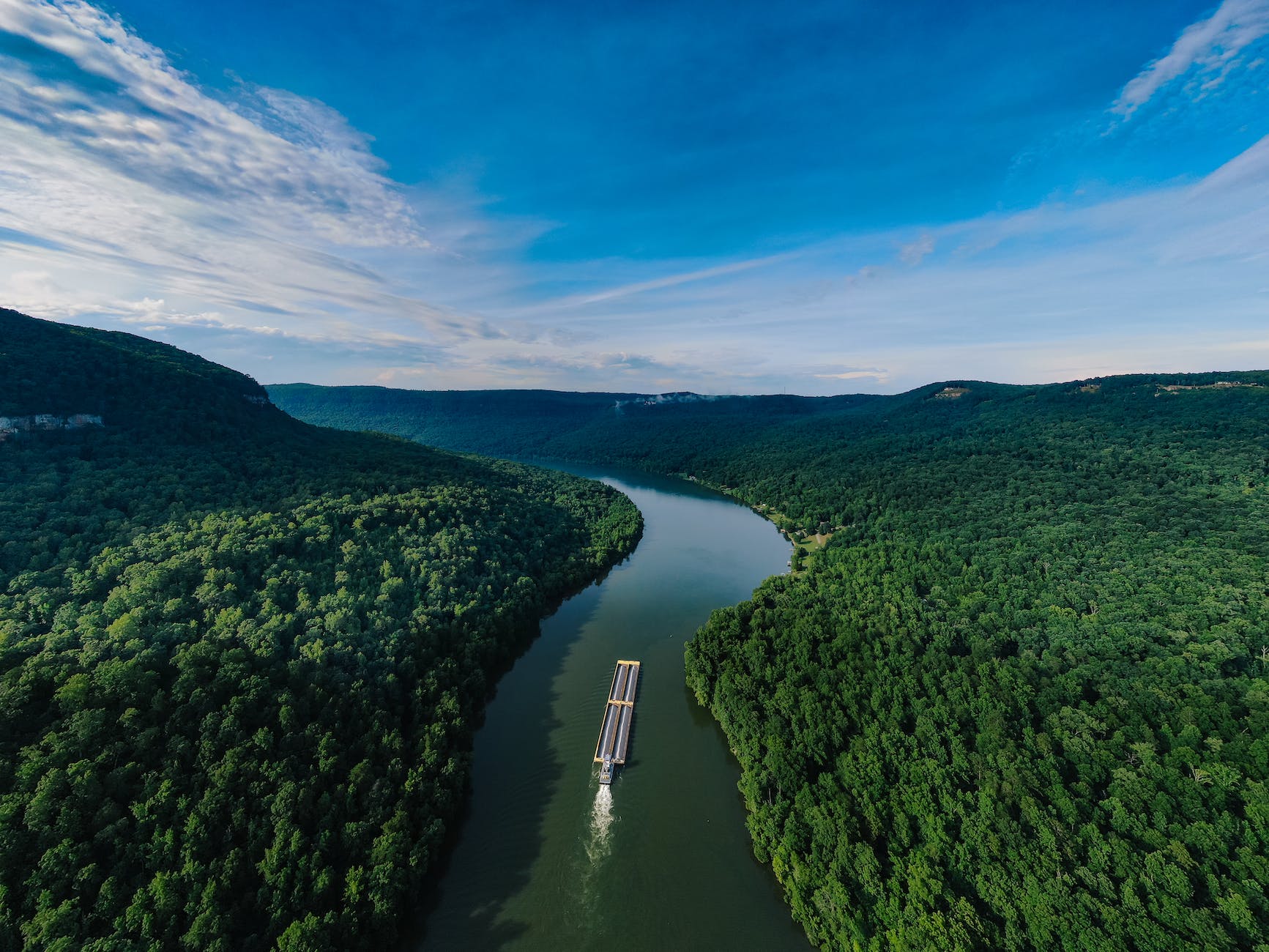
A carbon neutral country is one that has achieved a state of balance between its greenhouse gas emissions and the removal of those emissions from the atmosphere. In other words, the country has effectively offset or eliminated its carbon footprint, resulting in no net release of carbon dioxide (CO2) or other greenhouse gases into the atmosphere.
To become carbon neutral, a country typically takes a comprehensive approach that involves reducing its greenhouse gas emissions across various sectors, such as energy, transportation, industry, and agriculture. This often includes transitioning to renewable energy sources, improving energy efficiency, implementing sustainable transportation systems, and adopting climate-friendly practices in agriculture and land use.
In addition to emission reduction efforts, carbon neutral countries also invest in carbon offset projects or initiatives that actively remove or sequester CO2 from the atmosphere. These projects can involve activities like reforestation, afforestation, sustainable forest management, and the use of carbon capture and storage (CCS) technologies. By supporting these projects, countries can compensate for any remaining emissions they are unable to eliminate entirely.
Becoming a carbon neutral country requires strong political will, long-term planning, and the active involvement of both the government and the private sector. It often involves setting ambitious emission reduction targets, implementing effective policies and regulations, and fostering innovation in clean technologies. Collaboration with international partners, sharing of best practices, and participation in global climate initiatives also play a crucial role in achieving carbon neutrality.
The benefits of becoming a carbon neutral country are numerous. By eliminating or offsetting emissions, these countries contribute significantly to global climate change mitigation efforts, helping to limit global temperature rise and reduce the impacts of climate change. They also position themselves as leaders in sustainability and environmental stewardship, attracting investment, promoting green industries, and creating new job opportunities in the low-carbon sector.
However, achieving carbon neutrality is not without challenges. It requires substantial financial investments, technological advancements, and behavioral changes. Balancing economic growth with emission reduction goals can be complex, and the transition to a carbon neutral economy may involve trade-offs and adjustments in various sectors. Ensuring the integrity and effectiveness of carbon offset projects is also crucial to avoid greenwashing and maintain credibility.
Several countries have made commitments to become carbon neutral within specific timelines. While progress varies among nations, the goal of carbon neutrality has gained significant global attention and serves as a driving force behind international climate agreements and cooperation.
In conclusion, a carbon neutral country is one that has effectively balanced its greenhouse gas emissions with removal or offset activities. Achieving carbon neutrality involves a comprehensive approach, including emission reduction measures and support for carbon offset projects. Becoming a carbon neutral country is a significant step towards addressing climate change, promoting sustainability, and creating a more resilient and environmentally conscious future.

 Decoding Biosphere