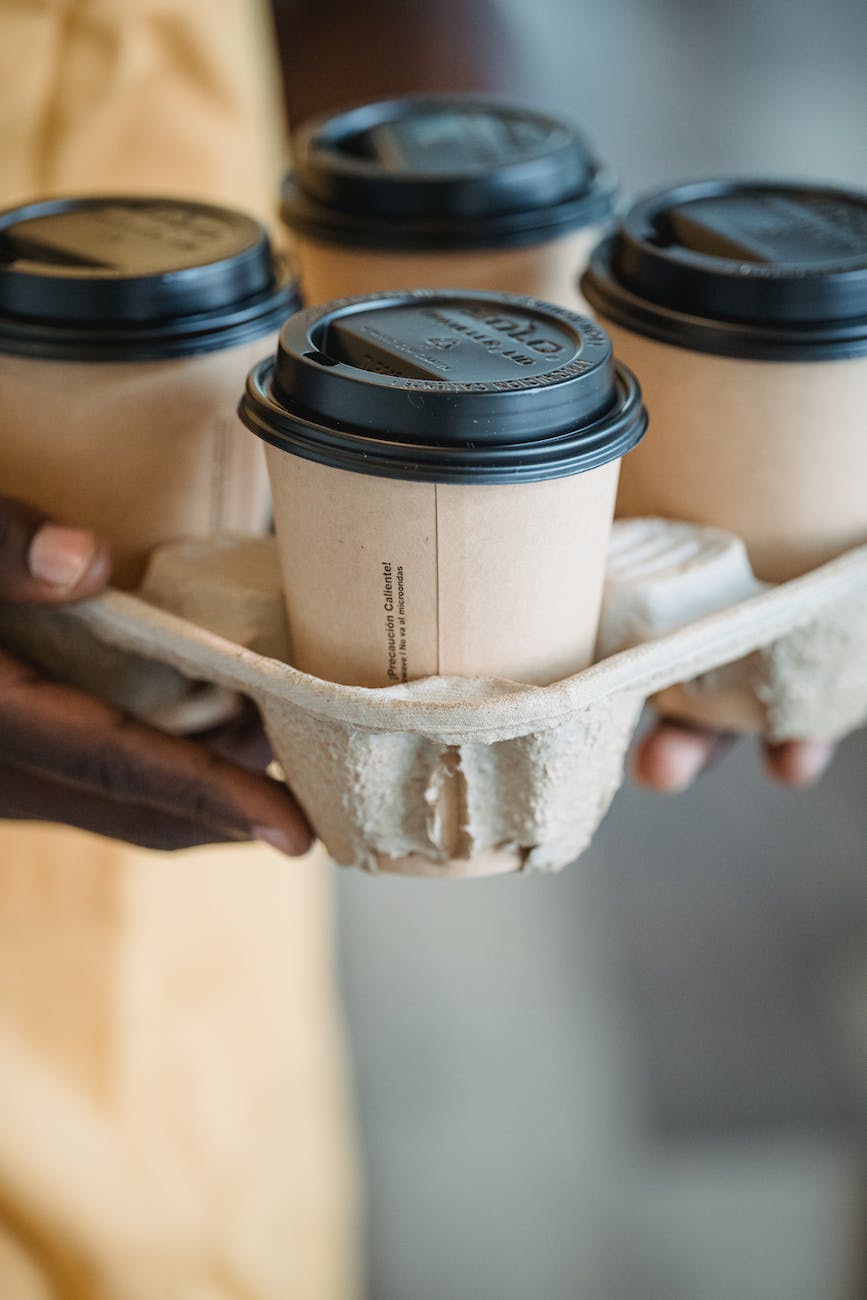
Disposable coffee cups have become an integral part of our modern coffee culture, providing a convenient and on-the-go solution for our caffeine fix. However, as environmental concerns continue to rise, it’s important to understand the composition of these ubiquitous cups. In this article, we delve into the materials commonly used to manufacture disposable coffee cups and explore their impact on the environment.
Understanding the Layers:
Disposable coffee cups are typically made up of several layers, each serving a specific purpose. Let’s take a closer look at the composition of these cups:
- Outer Layer: The outermost layer of a disposable coffee cup is often made of paper or cardboard. This layer provides structure and insulation to the cup, making it comfortable to hold even when the contents are hot. Paper used for cups is usually coated to enhance its resistance to liquids and prevent leaks.
- Inner Layer: The inner layer of a disposable coffee cup is where things get more complicated. To make the cup liquid-resistant, it is typically lined with a thin layer of plastic or a plastic-like substance. This layer is crucial in preventing leakage and ensuring the cup remains intact. The type of plastic used in this layer can vary depending on the cup manufacturer.
- Lid and Sleeve: In addition to the cup itself, disposable coffee cups often come with a plastic lid for spill prevention and a cardboard or plastic sleeve for heat insulation. These components may have their own unique compositions, which can also impact their recyclability and environmental impact.
Environmental Impact:
The environmental impact of disposable coffee cups arises primarily from the challenges associated with their recycling and disposal:
- Paper Component: The paper component of disposable coffee cups is generally recyclable. However, due to the thin plastic lining that coats the cups, recycling facilities face difficulties in separating the plastic from the paper. As a result, many cups end up in landfills instead of being recycled.
- Plastic Lining: The plastic lining in coffee cups is usually made from polyethylene (PE) or polyethylene terephthalate (PET), which are not readily recyclable in standard recycling systems. These plastics can take hundreds of years to decompose, contributing to the accumulation of plastic waste in the environment.
- Lid and Sleeve: The plastic lids and sleeves that accompany disposable coffee cups can also pose recycling challenges. While some recycling facilities accept certain types of plastic lids, others may not. It’s important to check local recycling guidelines to determine if these components can be recycled in your area.
Sustainable Alternatives:
Recognizing the environmental impact of disposable coffee cups, several sustainable alternatives have emerged:
- Reusable Cups: Opting for a reusable coffee cup made of materials such as stainless steel, glass, or BPA-free plastic is an excellent way to reduce waste. Reusable cups can be used repeatedly, minimizing the need for disposable options.
- Compostable Cups: Some companies have introduced compostable coffee cups made from plant-based materials like paper coated with a biodegradable lining. These cups are designed to break down in composting facilities, reducing the environmental impact compared to traditional disposable cups.
- BYOC (Bring Your Own Cup): Many coffee shops and cafes encourage customers to bring their own cups for takeaway beverages. Some establishments even offer incentives or discounts for customers who bring their own reusable cups.
Conclusion:
Disposable coffee cups are primarily composed of paper or cardboard on the outside, with a thin plastic lining on the inside to prevent leakage. While the paper component is recyclable, the plastic lining poses challenges for recycling facilities. Additionally, the plastic lids and sleeves further contribute to environmental concerns. To mitigate the environmental impact, opting for reusable cups or compostable alternatives can help reduce waste and promote sustainability in our daily coffee rituals. By making conscious choices, we can enjoy our coffee while striving for a greener future.

 Decoding Biosphere