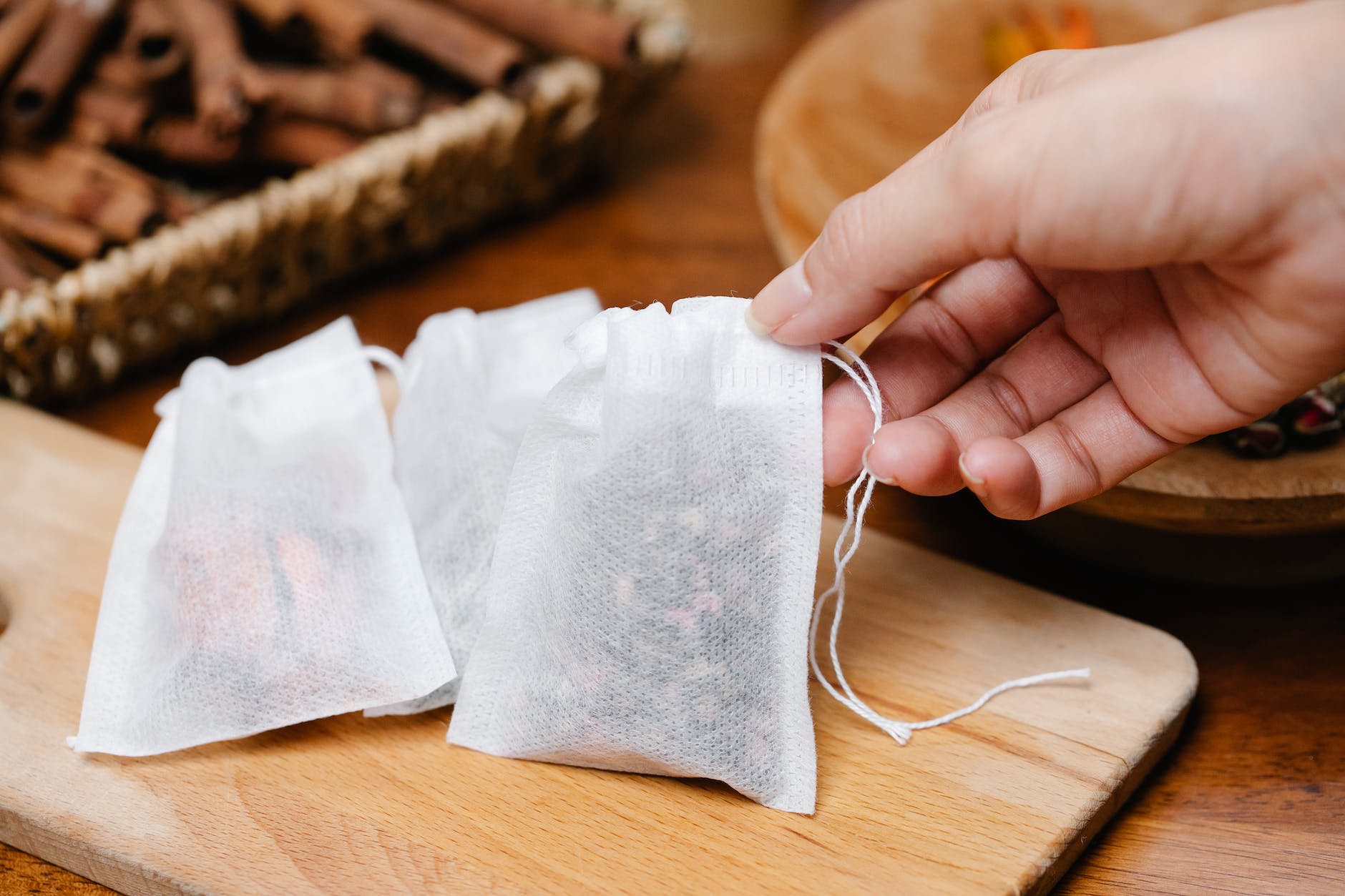
Tea, one of the most beloved beverages worldwide, has been enjoyed for centuries due to its flavors, aromas, and potential health benefits. However, as we become increasingly aware of our environmental impact, questions arise about the sustainability of our tea-drinking habits. In particular, the issue of tea bag disposal has garnered attention, leading many to wonder, “Which tea bags are biodegradable?” In this article, we explore the world of tea bag materials, their environmental implications, and shed light on the biodegradable options available to eco-conscious tea lovers.
Understanding Tea Bag Materials:
Tea bags, the convenient vessels for steeping tea, come in various materials, each with its own set of environmental characteristics. The three primary types of tea bag materials include:
- Paper Tea Bags: Paper tea bags are made from natural fibers, such as wood pulp or vegetable-based fibers. These bags are typically unbleached or bleached using environmentally friendly methods. Paper tea bags are considered biodegradable and compostable, making them a favorable choice for those seeking eco-friendly options.
- Silk or Cloth Tea Bags: Silk or cloth tea bags are often made from natural fibers like silk, cotton, or hemp. These bags are reusable and can be composted at the end of their life cycle. However, it’s important to note that not all silk or cloth tea bags are biodegradable, as some may be treated with synthetic materials or chemicals.
- Synthetic Tea Bags: Synthetic tea bags are typically made from materials like nylon or polyethylene terephthalate (PET). These bags are not biodegradable and can persist in the environment for a long time. While they offer convenience and are often heat-resistant, their environmental impact raises concerns for sustainability-minded individuals.
Biodegradable Tea Bag Alternatives:
As consumer demand for sustainable products increases, tea companies have responded by offering biodegradable alternatives to traditional tea bags. Here are some popular options:
- Compostable Tea Bags: Many tea companies now produce tea bags that are certified compostable. These bags are typically made from plant-based materials, such as cornstarch or polylactic acid (PLA). They break down naturally in composting facilities, minimizing environmental impact.
- Tea Sachets: Tea sachets are larger, roomier bags typically made from biodegradable materials like corn silk, hemp, or plant-based fibers. They allow for better tea infusion and can be composted or added to organic waste bins.
- Loose-Leaf Tea: One of the most sustainable options is to use loose-leaf tea. By steeping tea leaves directly in a tea infuser or strainer, you eliminate the need for tea bags altogether. Loose-leaf tea often provides a higher quality brew and allows for more control over the flavor and strength of the tea.
Eco-Conscious Practices:
While opting for biodegradable tea bags is a positive step towards reducing environmental impact, it’s important to complement this choice with eco-conscious practices:
- Proper Disposal: If you’re using biodegradable tea bags, ensure they are disposed of in composting facilities or added to organic waste bins. Avoid tossing them into regular trash bins, as they may end up in landfills where their decomposition may be hindered.
- Reusable Infusers: Consider investing in reusable tea infusers or strainers made from stainless steel or other sustainable materials. These allow you to enjoy loose-leaf tea without generating waste.
- Bulk Purchases: Buying tea in bulk reduces packaging waste and often offers a more cost-effective option. Look for tea companies that offer bulk packaging or refillable options.
Conclusion:
In the quest for eco-friendly tea drinking, understanding which tea bags are biodegradable is crucial. Paper tea bags, compostable tea bags, and biodegradable tea sachets provide sustainable alternatives to synthetic tea bags. Additionally, embracing loose-leaf tea and adopting eco-conscious practices can further reduce waste and minimize our environmental footprint. By making informed choices and prioritizing sustainability, we can enjoy our favorite brew while protecting the planet for generations to come.

 Decoding Biosphere