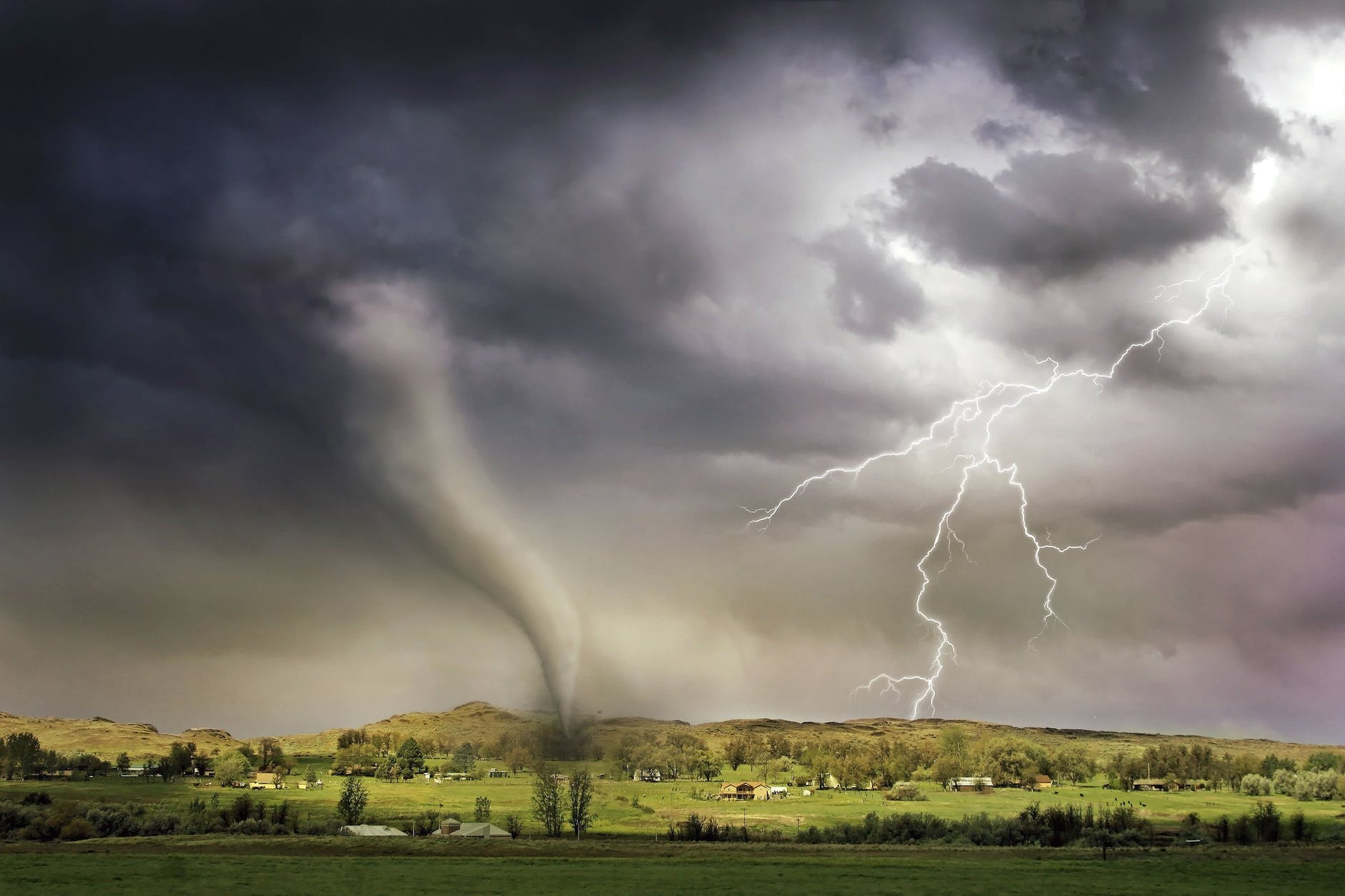
Tornadoes, often described as nature’s most violent storms, are awe-inspiring yet devastating meteorological phenomena that can wreak havoc on communities and landscapes. With their swirling winds and destructive power, tornadoes leave a lasting impact on the areas they touch. In this article, we will look into the various causes and effects of tornadoes.

What is a Tornado?
A tornado is a rapidly rotating column of air that extends from a thunderstorm cloud to the ground. It is characterized by a funnel-shaped cloud, called a vortex, that descends from the storm cloud and rotates violently as it moves across the landscape. Tornadoes can vary in size, shape, and intensity, ranging from small, weak tornadoes to large, powerful ones capable of causing widespread destruction.
Causes of Tornadoes
1. Atmospheric Instability
Tornadoes typically form within severe thunderstorms, which are fueled by atmospheric instability. Warm, moist air near the surface interacts with cooler, drier air aloft, creating an unstable atmosphere conducive to the development of thunderstorms and tornadoes. Wind shear, the change in wind speed and direction with altitude, is also a key factor in tornado formation, providing the necessary spin for tornadoes to form and intensify.
2. Supercell Thunderstorms
Supercell thunderstorms, characterized by a rotating updraft known as a mesocyclone, are responsible for producing the majority of tornadoes. These powerful thunderstorms often develop in regions with favorable atmospheric conditions, such as the Great Plains of the United States, where warm, moist air from the Gulf of Mexico meets cool, dry air from the Rocky Mountains.
3. Tornado Outbreaks
Tornado outbreaks, which involve the simultaneous formation of multiple tornadoes within a short time frame and geographic area, can occur in association with weather systems such as cold fronts, warm fronts, and low-pressure systems. Tornado outbreaks are often triggered by large-scale weather patterns and atmospheric dynamics that create conditions favorable for the development of severe thunderstorms and tornadoes.
Effects of Tornadoes
1. Destruction of Property
Tornadoes can cause extensive damage to homes, buildings, infrastructure, and vegetation in their path. The high winds associated with tornadoes can rip roofs off buildings, collapse walls, uproot trees, and turn debris into deadly projectiles. The severity of property damage depends on the intensity and duration of the tornado, as well as the construction quality and resilience of affected structures.
2. Loss of Life and Injury
Tornadoes pose a significant threat to human life and safety, causing injuries and fatalities in their wake. Flying debris, collapsing structures, and powerful winds can endanger individuals caught in the path of a tornado, especially those who are unable to seek shelter in time. The risk of injury and death is highest in areas with dense populations and inadequate tornado preparedness measures.
3. Disruption of Communities
Tornadoes can disrupt communities and economies, causing temporary or long-term displacement of residents, interruption of essential services, and disruption of transportation and commerce. The aftermath of a tornado often requires coordinated response and recovery efforts from government agencies, emergency responders, nonprofit organizations, and the affected community.
4. Emotional and Psychological Impact
Tornadoes can have lasting emotional and psychological effects on survivors, witnesses, and communities. The trauma of experiencing a tornado, witnessing its destructive power, and coping with loss of life and property can lead to stress, anxiety, depression, and post-traumatic stress disorder (PTSD). Mental health support services and community resilience initiatives are essential for addressing the emotional needs of those affected by tornadoes.
5. Environmental Impact
Tornadoes can also have environmental consequences, including habitat destruction, soil erosion, and disruption of ecosystems. The uprooting of trees, destruction of vegetation, and alteration of landscapes can have ripple effects on wildlife populations and natural habitats. Environmental restoration and conservation efforts may be needed to mitigate the ecological impact of tornadoes on affected areas.
Where to tornado occur?
Tornadoes primarily occur in regions with specific atmospheric conditions conducive to their formation. While tornadoes can occur in various parts of the world, certain areas experience a higher frequency of tornado activity due to their geographical and climatic characteristics. Here are some regions where tornadoes commonly occur:
- Tornado Alley (Central United States): Tornado Alley is a region in the central United States known for its frequent tornado activity. It includes parts of Texas, Oklahoma, Kansas, Nebraska, South Dakota, Iowa, and Missouri. Tornadoes in this region often result from the clash of warm, moist air from the Gulf of Mexico with cool, dry air from the Rocky Mountains.
- Dixie Alley (Southern United States): Dixie Alley is another tornado-prone region located in the southeastern United States, including parts of Mississippi, Alabama, Tennessee, Arkansas, Louisiana, and Georgia. Tornadoes in Dixie Alley are more common in the late winter and early spring months and are often associated with severe thunderstorms and squall lines.
- Tornado Corridor (Great Plains): The Great Plains region, stretching from the Dakotas to Texas, is also susceptible to tornadoes, particularly during the spring and early summer months. The flat terrain and warm, moist air from the Gulf of Mexico create favorable conditions for the development of severe thunderstorms and tornadoes.
- Tornadoes Outside the United States: While tornadoes are most commonly associated with the United States, they can occur in other parts of the world as well. Regions such as Canada, Argentina, Bangladesh, Australia, and parts of Europe and Asia also experience tornado activity, although typically on a smaller scale compared to Tornado Alley.
- Coastal and Inland Regions: Tornadoes can occur in both coastal and inland regions, depending on local geography and weather patterns. Coastal areas with warm ocean waters and land-sea temperature contrasts may experience tornadoes associated with tropical cyclones or severe thunderstorms. Inland regions with flat terrain, such as plains and valleys, are also prone to tornado activity.
- Mountainous Areas: While tornadoes are less common in mountainous regions due to the disruption of atmospheric flow by rugged terrain, they can still occur under certain conditions. Tornadoes in mountainous areas may result from downslope winds, orographic lifting, and atmospheric instability associated with thunderstorms.
Conclusion: Understanding and Mitigating Tornado Risk
In conclusion, tornadoes are powerful and unpredictable natural phenomena that can cause widespread destruction and loss of life. By understanding the causes and effects of tornadoes, communities can take proactive measures to mitigate risk, enhance preparedness, and improve resilience to tornado-related disasters.
Effective tornado preparedness and mitigation strategies include:
- Developing and implementing early warning systems and emergency response plans.
- Building tornado-resistant structures and retrofitting existing buildings to withstand high winds and flying debris.
- Educating the public about tornado safety procedures, including seeking shelter in designated safe rooms or storm shelters during tornado warnings.
- Investing in research, technology, and forecasting capabilities to improve tornado prediction and detection.
- Collaborating with government agencies, community organizations, and private sector partners to enhance tornado resilience and disaster recovery efforts.
By working together and prioritizing tornado preparedness and mitigation efforts, communities can reduce the impact of tornadoes and build safer, more resilient societies that are better equipped to withstand and recover from natural disasters.
You May Also Like

 Decoding Biosphere