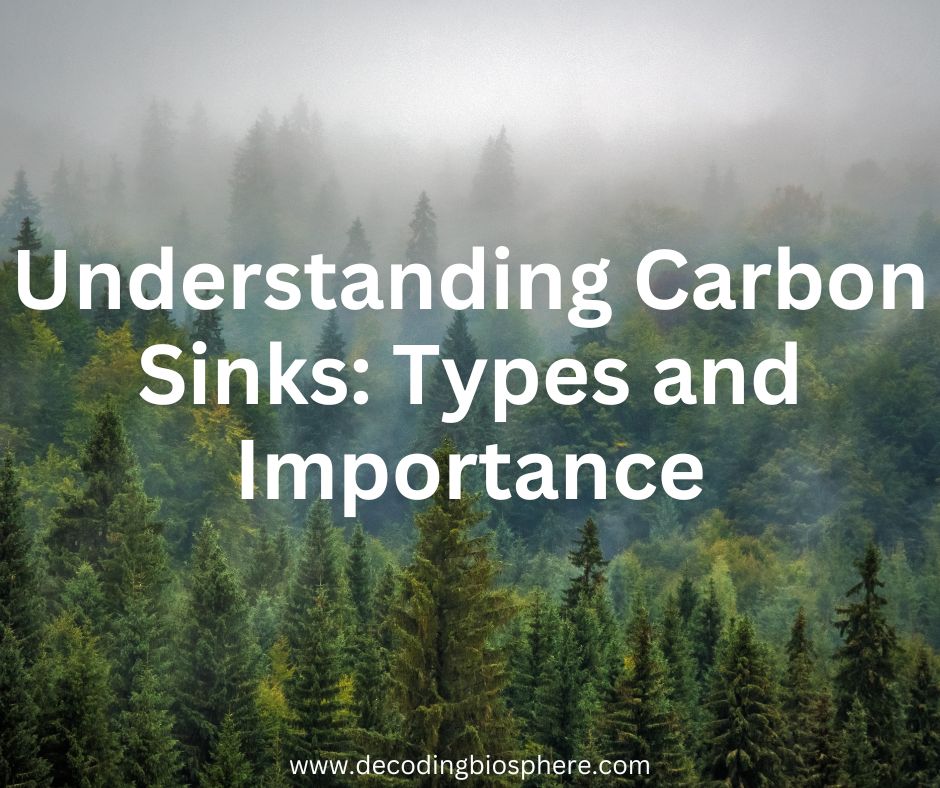
In recent years, climate change has become a major concern for everyone around the globe. One of the critical aspects of this issue is the excess carbon dioxide (CO2) in our atmosphere. This is where carbon sinks come into play. But what exactly are carbon sinks, and why are they so important? Let’s explore this topic in simple terms.
What are Carbon Sinks?
A carbon sink is anything that absorbs more carbon from the atmosphere than it releases. They help in reducing the amount of CO2, a major greenhouse gas, in the air. Think of them as natural sponges that soak up carbon, helping to keep our planet’s climate stable.
Types of Carbon Sinks
There are several types of carbon sinks, each playing a unique role in absorbing carbon. The main ones are:
- Forests
- Oceans
- Soil
Let’s dive into each of these to understand how they work.
1. Forests

Forests are one of the most effective and well-known carbon sinks. Trees and plants in forests absorb CO2 from the atmosphere through photosynthesis, a process they use to produce food. During photosynthesis, plants convert CO2 and sunlight into oxygen and glucose. The carbon is then stored in the plants’ leaves, trunks, roots, and the surrounding soil.
Types of Forests:
- Tropical Rainforests: Found near the equator, these forests, such as the Amazon, are incredibly dense and have a high rate of photosynthesis, making them significant carbon sinks.
- Temperate Forests: Located in regions with moderate climates, these forests also play a crucial role in carbon absorption.
- Boreal Forests: Also known as taiga, these forests are found in colder climates and are significant carbon reservoirs due to their vast size.
Importance of Forests:
- Carbon Absorption: Forests absorb a substantial amount of the CO2 produced by human activities, helping to mitigate climate change.
- Oxygen Production: Through photosynthesis, forests release oxygen, which is essential for the survival of most living organisms.
- Biodiversity: Forests provide habitats for countless species of plants and animals, contributing to biodiversity.
- Water Cycle Maintenance: Forests play a vital role in the water cycle by absorbing and releasing water, which helps prevent floods and maintain groundwater levels.
- Soil Protection: Tree roots help to bind the soil, preventing erosion and maintaining soil health.
Challenges Facing Forests:
- Deforestation: The clearing of forests for agriculture, logging, and urbanization is a major threat. This not only reduces the number of trees available to absorb CO2 but also releases stored carbon back into the atmosphere.
- Forest Degradation: Activities such as selective logging and forest fires can degrade forests, reducing their capacity to act as carbon sinks.
- Climate Change: Changes in temperature and precipitation patterns can affect forest health and their ability to absorb carbon.
2. Oceans

Oceans are the largest carbon sinks on Earth, absorbing CO2 from the atmosphere through physical and biological processes. When CO2 dissolves in seawater, it undergoes chemical reactions that convert it into other forms, such as bicarbonate and carbonate ions. Additionally, marine plants, like phytoplankton, absorb CO2 during photosynthesis. Some of this carbon sinks to the ocean floor in the form of dead organic matter and shells, where it can remain for thousands of years.
Oceanic Zones:
- Surface Ocean: The upper layer where sunlight penetrates, allowing photosynthesis by phytoplankton.
- Deep Ocean: The deeper layers where carbon can be stored for long periods.
Importance of Oceans:
- Carbon Absorption: Oceans absorb about a quarter of the CO2 emitted by human activities, playing a crucial role in regulating the Earth’s climate.
- Climate Regulation: By absorbing CO2 and heat, oceans help moderate global temperatures.
- Biodiversity: Oceans are home to a vast array of life forms, many of which depend on healthy oceanic carbon cycles.
- Nutrient Cycling: Oceans facilitate the cycling of nutrients essential for marine life, supporting fisheries and global food security.
Challenges Facing Oceans:
- Ocean Acidification: The absorption of CO2 leads to the formation of carbonic acid, which lowers the pH of seawater. This acidification can harm marine life, particularly organisms with calcium carbonate shells and skeletons, such as corals and shellfish.
- Climate Change: Rising sea temperatures and changes in ocean currents can disrupt the carbon absorption process.
- Pollution: Plastics, oil spills, and other pollutants can damage marine ecosystems and reduce the oceans’ capacity to absorb CO2.
3. Soil
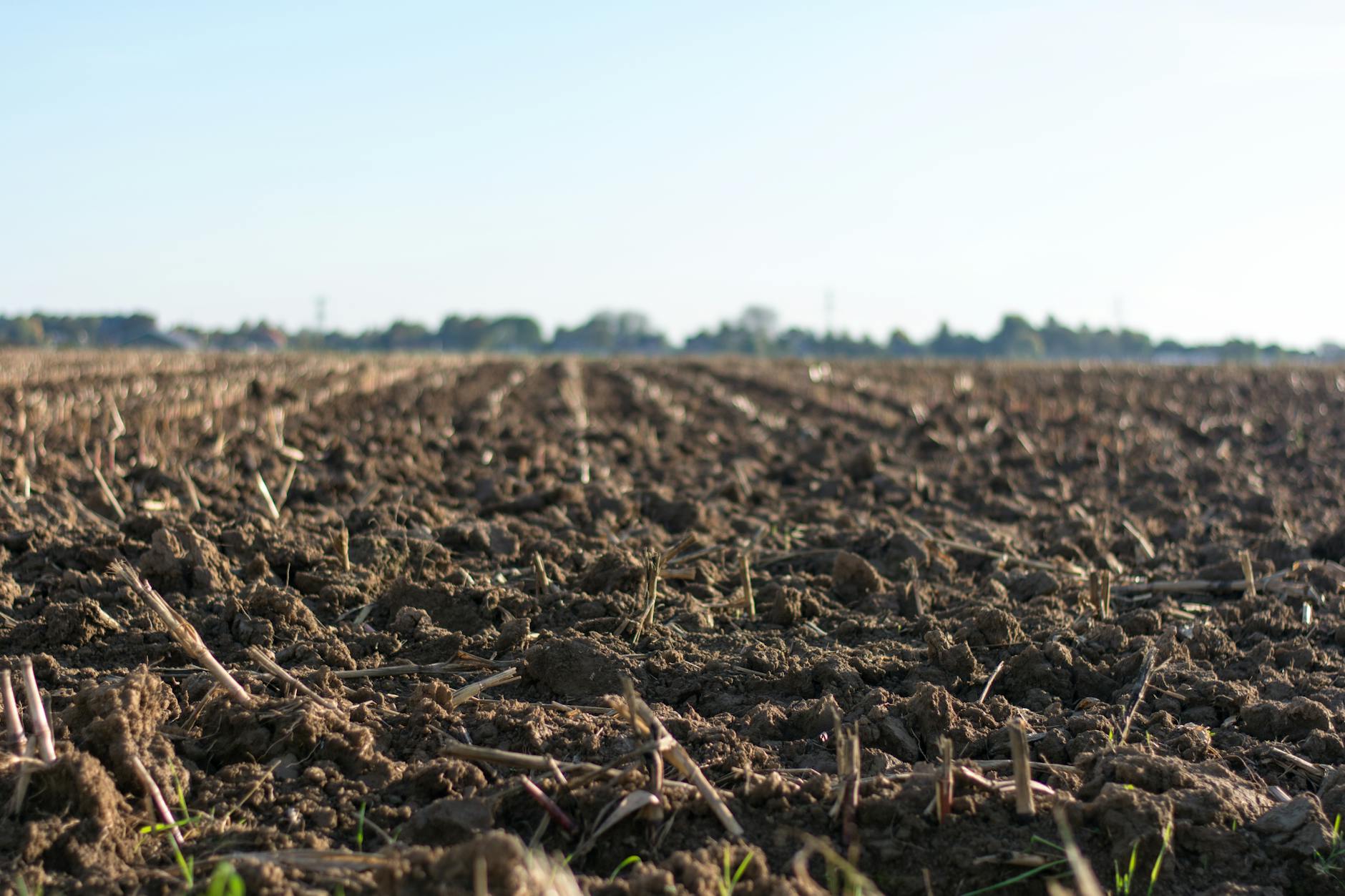
Soil acts as a carbon sink by storing organic carbon from plants and microorganisms. When plants absorb CO2 and transfer some of this carbon to the soil through their roots, it is stored as organic matter. Microorganisms and fungi in the soil decompose organic material, further contributing to carbon storage.
Types of Soils:
- Peatlands: These wetlands are among the most efficient carbon sinks, storing large amounts of carbon in their waterlogged soils.
- Agricultural Soils: Cropland and pasture soils can also store significant amounts of carbon, particularly when managed sustainably.
- Forest Soils: The soil beneath forests is rich in organic matter and plays a crucial role in carbon storage.
Importance of Soils:
- Long-term Carbon Storage: Soils can store carbon for extended periods, helping to mitigate climate change.
- Plant Growth: Healthy soils support plant growth, which in turn absorbs more CO2.
- Biodiversity: Soils are home to a myriad of organisms that contribute to nutrient cycling and organic matter decomposition.
- Water Retention: Soils with high organic content can retain water better, reducing the risk of floods and droughts.
Challenges Facing Soils:
- Soil Degradation: Practices such as deforestation, overgrazing, and unsustainable agriculture can degrade soils, reducing their capacity to store carbon.
- Erosion: Soil erosion by wind and water can lead to the loss of topsoil, which is rich in organic carbon.
- Desertification: The conversion of fertile land into deserts due to overuse and climate change reduces the land’s ability to store carbon.
The Importance of Carbon Sinks
Carbon sinks are crucial in the fight against climate change. Here are a few reasons why they are so important:
- Reducing Greenhouse Gases:
- Carbon sinks absorb CO2, reducing the greenhouse effect and helping to cool the Earth.
- Supporting Biodiversity:
- Forests, oceans, and soils support a wide variety of life forms, maintaining ecological balance.
- Regulating Climate:
- By absorbing CO2, carbon sinks help in stabilizing global temperatures and weather patterns.
- Sustainable Ecosystems:
- Healthy forests, oceans, and soils provide essential resources for humans and wildlife, promoting sustainability.
- Economic Benefits:
- Forests provide timber, fruits, and other products. Oceans support fisheries, and healthy soils are vital for agriculture.
Current Challenges and Efforts
Despite their importance, carbon sinks are under threat due to human activities. Deforestation, pollution, and land degradation are reducing their ability to absorb CO2. However, various efforts are being made to protect and enhance carbon sinks:
- Afforestation and Reforestation:
- Planting new trees and restoring degraded forests.
- Sustainable Agriculture:
- Practices that improve soil health and increase carbon storage.
- Marine Protection:
- Creating marine protected areas to conserve ocean ecosystems.
- Reducing Pollution:
- Cutting down on pollutants that harm forests, soils, and oceans.
Carbon sinks play a vital role in mitigating climate change by absorbing CO2 from the atmosphere. Forests, oceans, and soils are the main types of carbon sinks, each contributing uniquely to carbon storage. Protecting and enhancing these natural sponges is essential for maintaining a stable climate, supporting biodiversity, and promoting sustainable development.

 Decoding Biosphere