
Polyvinyl alcohol (PVA) is a synthetic polymer that has gained popularity in various industries due to its unique properties and versatility. It is used in a wide range of applications, including adhesives, coatings, films, textiles, and even as a water-soluble packaging material. While PVA offers several advantages, it is essential to assess its environmental impact to make informed decisions about its usage. In this article, we will explore the environmental implications of polyvinyl alcohol, considering both its benefits and drawbacks.
- Biodegradability and Water Solubility: One of the notable environmental benefits of PVA is its biodegradability and water solubility. PVA-based products, particularly those designed for single-use applications, can dissolve in water and break down into non-toxic substances. This characteristic reduces the accumulation of waste and helps alleviate the burden on landfills. However, it is crucial to ensure that PVA products are disposed of properly, such as through appropriate waste management systems or industrial composting facilities, to maximize their biodegradation potential.
- Renewable Resources: PVA can be derived from renewable resources, such as plant-based materials like corn or sugarcane. Using renewable feedstocks reduces reliance on fossil fuels and contributes to a lower carbon footprint. Manufacturers are increasingly exploring sustainable sourcing options to produce PVA, further enhancing its environmental credentials.
- Energy Consumption and Emissions: The production process of PVA involves several energy-intensive steps, including polymerization and drying. The energy consumption and associated greenhouse gas emissions during manufacturing can vary depending on the specific production methods and sources of energy used. Implementing energy-efficient practices and transitioning to renewable energy sources can help mitigate the environmental impact associated with PVA production.
- Chemical Additives and Toxicity: Although PVA itself is considered non-toxic, certain chemical additives or impurities used during its production can have adverse effects on the environment and human health. It is essential for manufacturers to adhere to strict regulations and ensure responsible handling and disposal of any potentially harmful substances associated with PVA production.
- Water Pollution: The water solubility of PVA can be both an advantage and a potential concern. While water-soluble PVA products can be advantageous in specific applications, excessive release of PVA into water bodies, such as through improper disposal, can contribute to water pollution. Monitoring and controlling the discharge of PVA waste is crucial to prevent potential negative impacts on aquatic ecosystems.
- Recycling and Circular Economy: The recyclability of PVA-based products varies depending on their specific formulations and intended applications. While some PVA materials can be recycled, others may require specialized recycling facilities or processes. Promoting recycling infrastructure and developing innovative recycling technologies can help maximize the circularity of PVA and reduce its environmental footprint.
- Life Cycle Assessment: To comprehensively evaluate the environmental impact of PVA, conducting a life cycle assessment (LCA) is essential. LCA considers the entire life cycle of a product, including raw material extraction, manufacturing, use, and end-of-life disposal. It enables a holistic evaluation of environmental impacts, such as energy consumption, greenhouse gas emissions, water usage, and waste generation. Conducting LCAs specific to PVA-based products can provide valuable insights for minimizing their environmental footprint and identifying opportunities for improvement.
In conclusion, polyvinyl alcohol (PVA) offers certain environmental advantages, such as biodegradability, renewable sourcing, and recyclability. However, its production process, energy consumption, potential water pollution, and disposal practices require careful attention to mitigate any adverse environmental impacts. Responsible manufacturing, proper waste management, recycling initiatives, and ongoing research and innovation are crucial for harnessing the benefits of PVA while minimizing its environmental drawbacks. By balancing the benefits and drawbacks of PVA and making informed choices, we can strive for a more sustainable and environmentally friendly use of this versatile polymer.
-
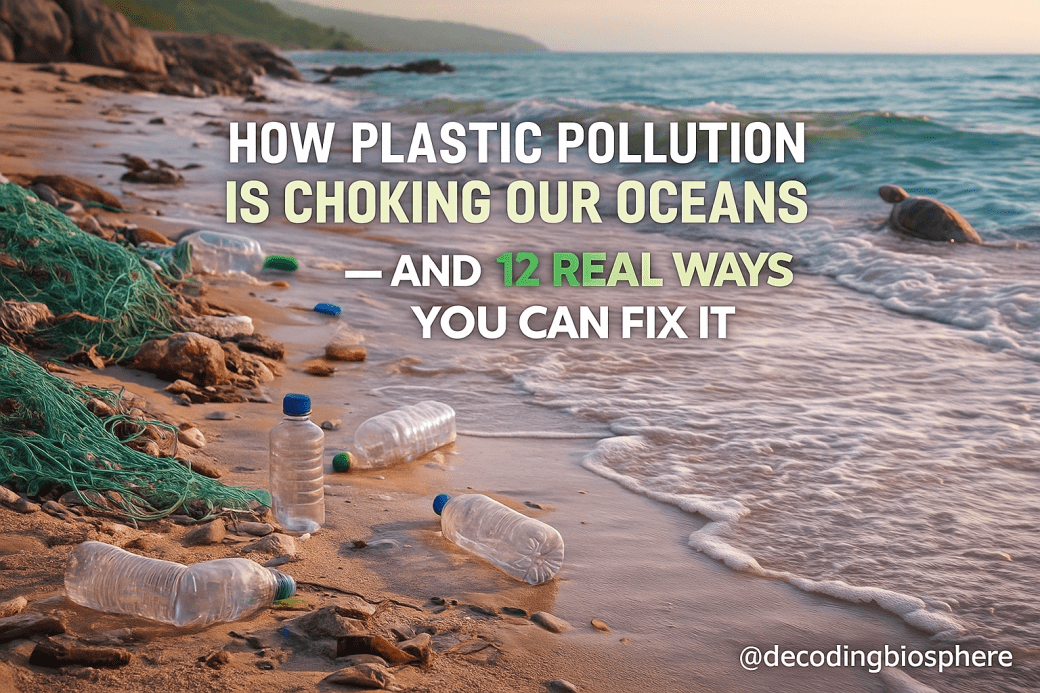
How Plastic Pollution Is Choking Our Oceans And 12 Real Ways You Can Fix It
Plastic pollution is everywhere- from coastlines to food. Learn how plastics harm ecosystems and human health, the latest science, and 12 practical solutions you can start today. Includes infographic & image prompts.
-

2025 Outlook: Top Global Trends Shaping the Future of Tech, Lifestyle, Sustainability and Culture
Explore the most trending global topics of the year including AI, sustainability, future of work, mental well-being, innovation, culture, and future predictions for 2025.
-
10 Eco-Friendly Gift Ideas for People Who Care About the Planet
Discover 10 eco-friendly gifts that combine style, function, and sustainability. Perfect ideas for conscious shoppers — all available on Amazon.

 Decoding Biosphere