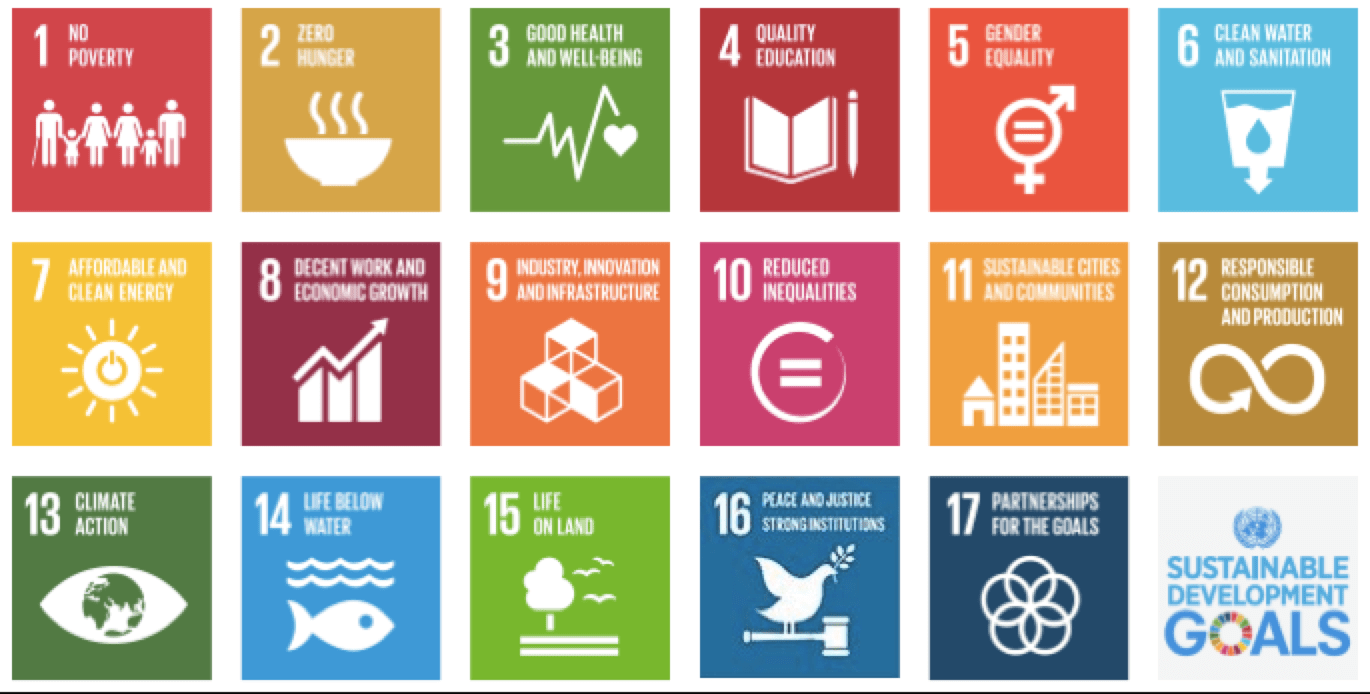
The Sustainable Development Goals (SDGs), also known as the Global Goals, are a set of 17 interconnected objectives established by the United Nations in 2015. These goals were crafted to address the most pressing global challenges, ranging from poverty and inequality to environmental degradation. The SDGs provide a comprehensive framework that aims to create a better and more sustainable world by 2030.
17 SDG Goals
Here is an overview of the 17 SDGs:
- SDG Goal 1: No Poverty – End poverty in all its forms everywhere. This goal aims to eradicate extreme poverty and ensure equal access to resources and opportunities.
- SDG Goal 2: Zero Hunger – End hunger, achieve food security and improved nutrition, and promote sustainable agriculture. This goal seeks to eliminate hunger and malnutrition while ensuring sustainable food production.
- SDG Goal 3: Good Health and Well-being – Ensure healthy lives and promote well-being for all at all ages. This goal focuses on improving healthcare, reducing child and maternal mortality, and addressing major health issues.
- SDG Goal 4: Quality Education – Ensure inclusive and equitable quality education and promote lifelong learning opportunities for all. This goal aims to provide access to quality education and skills development.
- SDG Goal 5: Gender Equality – Achieve gender equality and empower all women and girls. This goal focuses on ending discrimination, violence, and unequal opportunities based on gender.
- SDG Goal 6: Clean Water and Sanitation – Ensure availability and sustainable management of water and sanitation for all. This goal aims to provide clean and accessible water and sanitation services.
- SDG Goal 7: Affordable and Clean Energy – Ensure access to affordable, reliable, sustainable, and modern energy for all. This goal promotes the use of renewable energy sources and energy efficiency.
- SDG Goal 8: Decent Work and Economic Growth – Promote sustained, inclusive, and sustainable economic growth, full and productive employment, and decent work for all. This goal focuses on creating jobs and fostering economic development.
- SDG Goal 9: Industry, Innovation, and Infrastructure – Build resilient infrastructure, promote inclusive and sustainable industrialization, and foster innovation. This goal aims to enhance infrastructure and encourage technological innovation.
- SDG Goal 10: Reduced Inequality – Reduce inequality within and among countries. This goal addresses inequalities in income, wealth, and opportunities.
- SDG Goal 11: Sustainable Cities and Communities – Make cities and human settlements inclusive, safe, resilient, and sustainable. This goal focuses on urban planning, housing, and sustainable development in cities.
- SDG Goal 12: Responsible Consumption and Production – Ensure sustainable consumption and production patterns. This goal promotes efficient resource use, waste reduction, and sustainable practices.
- SDG Goal 13: Climate Action – Take urgent action to combat climate change and its impacts. This goal focuses on mitigating climate change and enhancing resilience to its effects.
- SDG Goal 14: Life Below Water – Conserve and sustainably use the oceans, seas, and marine resources for sustainable development. This goal aims to protect marine ecosystems and biodiversity.
- SDG Goal 15: Life on Land – Protect, restore, and promote sustainable use of terrestrial ecosystems, sustainably manage forests, combat desertification, and halt and reverse land degradation and biodiversity loss. This goal addresses land conservation and ecosystem restoration.
- SDG Goal 16: Peace and Justice Strong Institutions – Promote peaceful and inclusive societies for sustainable development, provide access to justice for all, and build effective, accountable, and inclusive institutions at all levels. This goal focuses on fostering peace, justice, and effective governance.
- SDG Goal 17: Partnerships to Achieve the Goal – Strengthen the means of implementation and revitalize the global partnership for sustainable development. This goal emphasizes collaboration between countries, stakeholders, and sectors to achieve the SDGs.
Each goal has specific targets and indicators that guide governments, organizations, and individuals in their efforts to achieve meaningful progress.
Examples of Successful Implementation of the SDGs
Numerous success stories demonstrate the positive impact of the SDGs worldwide. For instance, Costa Rica’s commitment to renewable energy has positioned it as a leader in sustainable development. Additionally, Bangladesh’s efforts in improving maternal healthcare and reducing child mortality showcase the transformative potential of these goals when effectively implemented.
How Businesses Can Contribute to the SDGs
Businesses play a crucial role in advancing the SDGs. By integrating sustainable practices into their operations, companies can contribute to poverty alleviation, promote responsible consumption, and reduce their environmental footprint. Collaborative initiatives between corporations, such as the Sustainable Apparel Coalition, underscore how businesses can collectively drive change by aligning their strategies with the SDGs.
Challenges and Obstacles in Achieving the SDGs
While the SDGs offer a promising vision for global development, various challenges hinder their realization. Insufficient funding, lack of awareness, and political conflicts can impede progress. Furthermore, addressing one goal may inadvertently impact another, requiring a delicate balance and integrated approach to achieve sustainable outcomes.
The Role of Governments and Policymakers in Supporting the SDGs
Governments and policymakers play a pivotal role in translating the SDGs into actionable policies and programs. National strategies and frameworks that align with the SDGs can drive systemic change. By implementing supportive policies, such as investing in education and healthcare, governments contribute to poverty reduction and improved well-being for their citizens.
The Importance of Partnerships and Collaboration in Achieving the SDGs
Collaboration across sectors is essential for achieving the SDGs. Governments, businesses, civil society, and international organizations must join forces to pool resources, share knowledge, and address complex challenges. Public-private partnerships, like the Global Alliance for Vaccines and Immunization (GAVI), highlight how collective efforts can accelerate progress toward common goals.
Monitoring and Measuring Progress Towards the SDGs
To track progress, a robust system of monitoring and evaluation is crucial. Governments and organizations regularly assess advancements using indicators tied to each goal. Transparent reporting mechanisms ensure accountability and enable stakeholders to adjust strategies when necessary, fostering a results-driven approach to sustainable development.
Final Words
In conclusion, the Sustainable Development Goals serve as a roadmap for global prosperity, equity, and sustainability. By addressing multifaceted challenges through collaborative efforts, businesses, governments, and individuals can drive positive change. The SDGs have the transformative power to shape a better future for all, paving the way for a world where poverty is eradicated, the environment is protected, and social justice prevails.
You May Also Like

 Decoding Biosphere