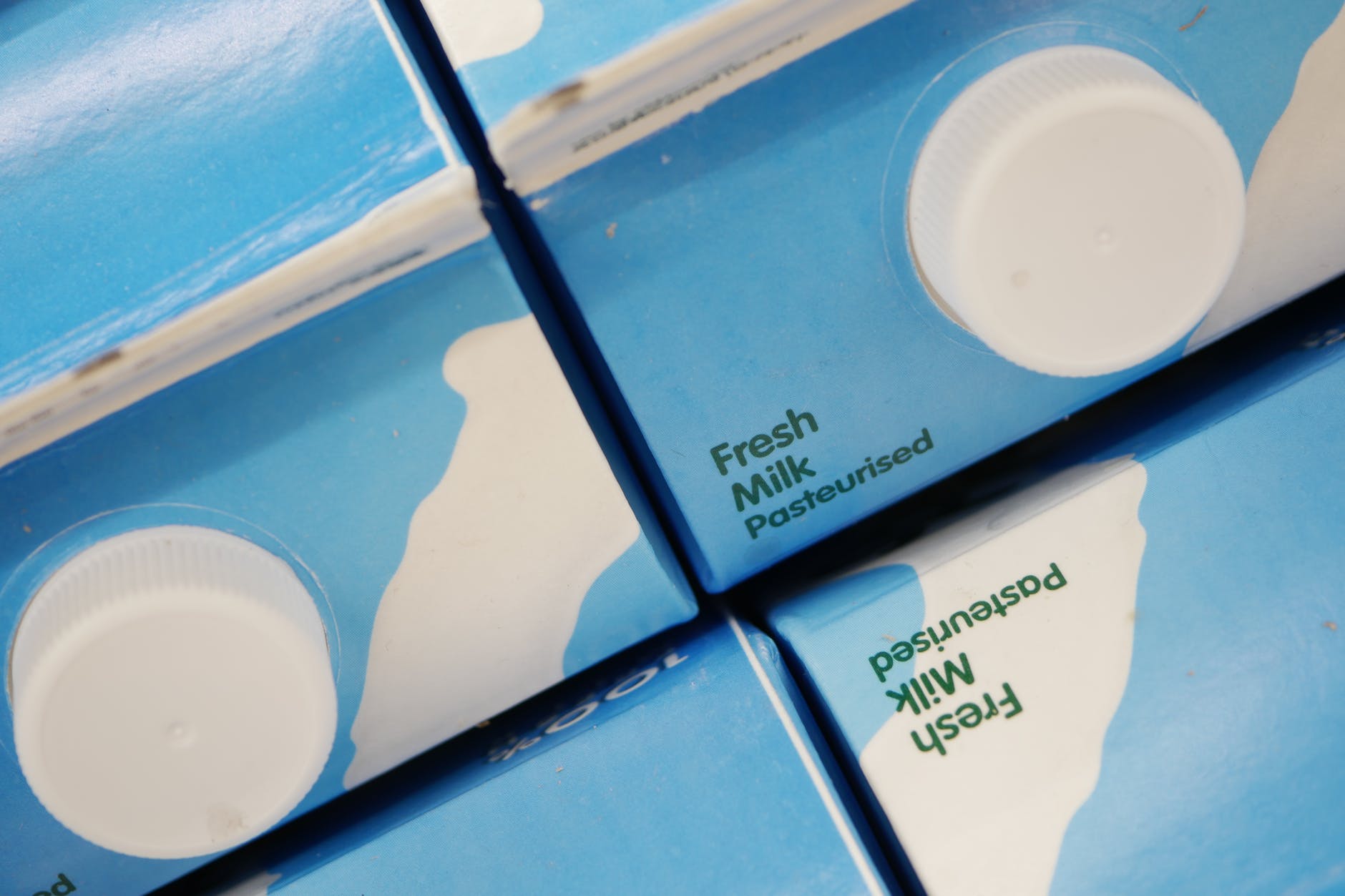
Do you ever wonder what happens to your milk cartons and paper cartons after you toss them into the recycling bin? In this article, we will explore the journey of milk cartons and paper cartons through the recycling process and provide you with valuable information on how to properly dispose of them.
Recycling Milk Cartons: A Sustainable Choice
Good news! You can easily recycle your milk cartons by putting them in your regular curbside recycling cart. Once collected, the cartons go through a sorting process where they are separated from other recyclable materials. These sorted cartons are then baled and sent to paper mills and recycling plants.
At the paper mills, an impressive transformation occurs. The cartons are placed in a hydro pulper, where the paper is separated from the plastic and aluminum components. The resulting pulp is then either sent directly to the mill’s paper machine or dried into sheets that are later turned into paperboard, tissue, and cardboard products.
By recycling your milk cartons, you are contributing to the production of new and useful paper products, while also reducing waste and conserving valuable resources.
How to Dispose of Paper Cartons?
Just like milk cartons, paper cartons are also recyclable. You can simply place them in your regular curbside recycling cart along with other recyclable materials. These cartons undergo a similar sorting and processing journey as milk cartons.
Once the paper cartons reach the paper mills, they go through the hydro pulping process, where the paper fibers are separated from any plastic or aluminum components. The resulting pulp can then be used to create various paper-based products such as paperboard, tissue, and cardboard.
It’s important to note that before disposing of your paper cartons, it is crucial to rinse them out. This helps remove any residual food or liquid, ensuring a cleaner recycling process.
Guidelines to Follow Before Disposal
To dispose of paper cartons, including milk cartons, here are some guidelines:
- Rinse: Empty and rinse out the carton to remove any leftover contents. This helps prevent odors and contamination during the recycling process.
- Check Local Recycling Guidelines: Different recycling programs have varying requirements for paper carton recycling. Check with your local recycling facility or municipality to determine if they accept paper cartons and if any specific guidelines need to be followed.
- Remove Caps and Straws: Separate and discard plastic caps or straws from the carton. These components are often made from different materials and may not be recyclable. They should be disposed of according to local waste management guidelines.
- Flatten the Carton: Flatten the paper carton to save space and optimize transportation efficiency during recycling. You can gently fold or compress it.
- Recycling Bin: Place the flattened carton in your recycling bin or take it to a local recycling drop-off center. Ensure that the carton is placed in the correct recycling stream, typically alongside paper and cardboard products.
Remember to follow local recycling guidelines to ensure proper disposal of paper cartons. If recycling facilities are not available in your area, you may need to dispose of paper cartons as general waste.
In conclusion, understanding the recycling journey of milk cartons and paper cartons is crucial for making environmentally conscious choices. By practicing responsible recycling and following local guidelines, you can help reduce waste and contribute to the sustainable management of resources.
- How Plastic Pollution Is Choking Our Oceans And 12 Real Ways You Can Fix It

- 2025 Outlook: Top Global Trends Shaping the Future of Tech, Lifestyle, Sustainability and Culture

- 10 Eco-Friendly Gift Ideas for People Who Care About the Planet

- Audiobooks vs E-books: Which Is More Eco-Friendly?
- Why Audiobooks Are the Most Sustainable Way to Learn


 Decoding Biosphere