Lyocell Fabric: Pros and Cons
In the quest for sustainable alternatives to conventional textiles, Lyocell fabric has emerged as a promising contender. With its eco-friendly production process and remarkable properties, Lyocell fabric has gained the attention of the fashion industry and environmentally conscious consumers alike. This article explores the Lyocell fabric, its sustainable nature, advantages, and potential drawbacks.
Understanding Lyocell Fabric:
Lyocell fabric, often referred to as Tencel™, is a form of cellulose fiber derived from wood pulp. It is produced through a closed-loop manufacturing process, utilizing a solvent spinning technique. The primary source of wood pulp used in Lyocell production is sustainably managed eucalyptus or bamboo forests. This sourcing approach ensures that the fabric’s environmental impact is minimized from its inception.
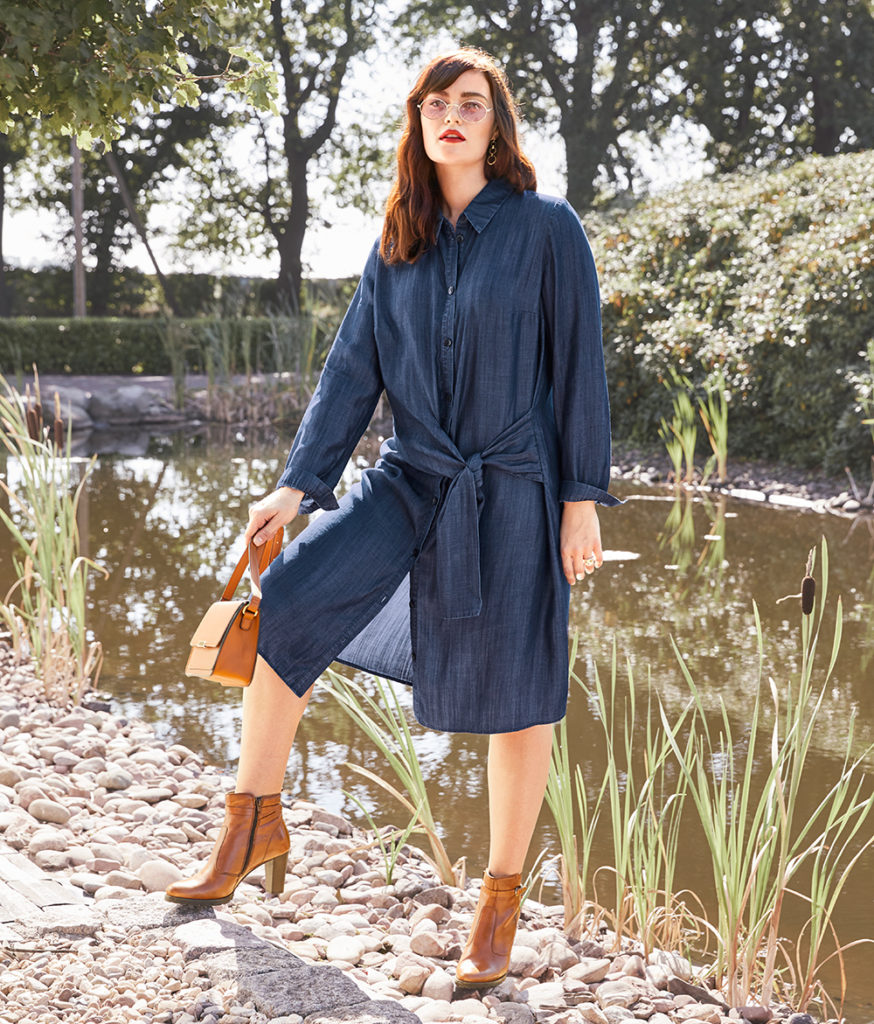
Sustainability:
One of the most compelling aspects of Lyocell fabric is its sustainable nature. The closed-loop production process used to create Lyocell involves recycling and reusing the solvent, resulting in minimal waste and water consumption. Moreover, the solvent used, known as NMMO (N-Methylmorpholine-N-Oxide), is non-toxic and biodegradable, further enhancing the fabric’s environmental credentials.
Lyocell fabric production requires significantly less water compared to other textile manufacturing processes. According to estimates, it uses about 20 times less water than conventional cotton. Additionally, the wood pulp utilized in Lyocell production comes from sustainably managed forests, ensuring responsible land use and preserving biodiversity.
Advantages of Lyocell Fabric:
Lyocell fabric offers a multitude of benefits that contribute to its growing popularity:
- Softness and Comfort: Lyocell fabric has an exceptionally soft and smooth texture, making it a delight to wear. It boasts excellent breathability, providing comfort in various climatic conditions.
- Moisture Absorption: Lyocell’s unique moisture absorption properties allow it to efficiently wick away moisture from the skin, making it ideal for activewear and garments designed for warmer climates.
- Breathability and Temperature Regulation: The fabric’s structure promotes air circulation, enabling the body to regulate temperature naturally. This attribute makes Lyocell fabric an excellent choice for both summer and winter garments.
- Resistance to Wrinkles: Lyocell fabric resists wrinkling, ensuring that clothes made from this material retain their shape and appearance even after extended use.
- Durability: Despite its softness, Lyocell fabric exhibits impressive durability. It can withstand repeated washings without significant loss of quality, making it a long-lasting textile choice.
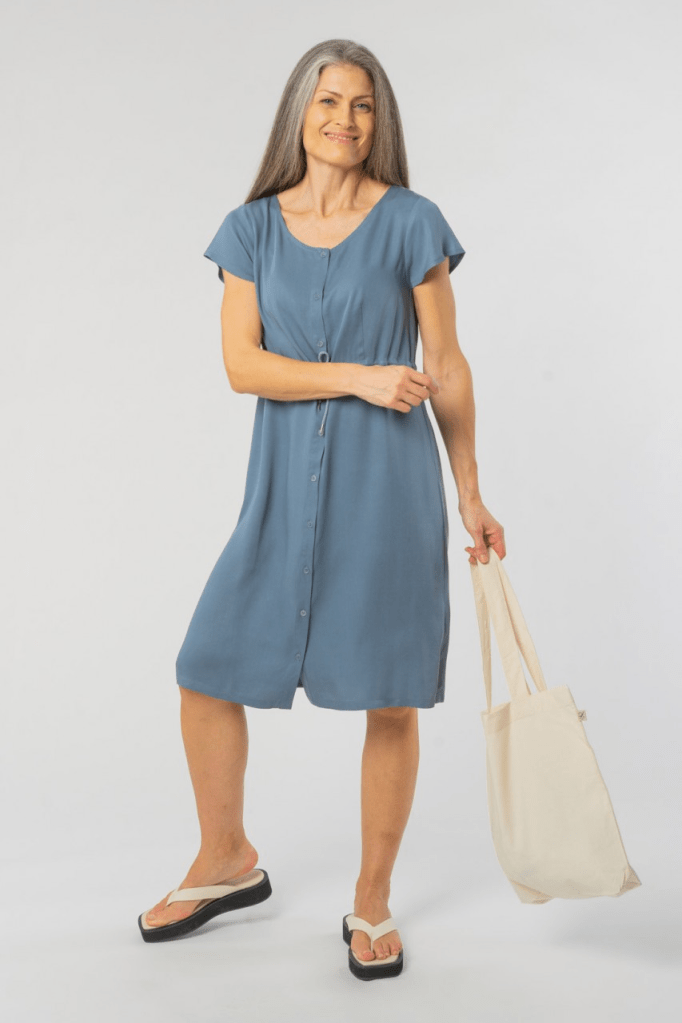
Cons and Limitations:
While Lyocell fabric offers numerous advantages, it is essential to consider its limitations:
- Cost: Lyocell fabric production involves a complex manufacturing process, which can make it more expensive than conventional textiles. However, as demand increases and technology improves, the cost is expected to decrease.
- Sensitivity to Moisture: Although Lyocell fabric has excellent moisture absorption properties, it can become weaker and lose strength when wet. Care must be taken during washing and drying to maintain its integrity.
Lyocell fabric represents a remarkable stride toward sustainability in the textile industry. Its eco-friendly production process, softness, comfort, and moisture-wicking properties make it an appealing choice for conscious consumers seeking stylish and sustainable clothing options.
Some FAQs regarding Lyocell Fabric
Is Lyocell fabric sustainable?
Yes, Lyocell fabric is considered a sustainable textile. Its production process involves a closed-loop system, which minimizes waste and water consumption. The wood pulp used in Lyocell production comes from sustainably managed forests, ensuring responsible sourcing and reducing environmental impact.
Is Lyocell fabric breathable?
Absolutely! One of the notable characteristics of Lyocell fabric is its breathability. The fabric’s structure promotes air circulation, allowing heat and moisture to escape, keeping the wearer cool and comfortable.
Is Lyocell fabric expensive?
Compared to some conventional textiles, Lyocell fabric can be relatively more expensive. The intricate manufacturing process and sustainable sourcing contribute to the higher cost. However, as the demand for Lyocell fabric grows and technology advances, it is expected that the cost will decrease over time.
Is Lyocell fabric good for summer?
Yes, Lyocell fabric is an excellent choice for summer garments. Its breathability and moisture-wicking properties help regulate body temperature and keep the wearer cool in hot and humid conditions.
Is Lyocell fabric stretchable?
Lyocell fabric has moderate stretchability. While it is not as stretchy as some synthetic fabrics like spandex, it does have a slight natural stretch that adds to its comfort and flexibility. However, it is important to note that the degree of stretch may vary depending on the specific blend or construction of the fabric.
Does Lyocell shrink after washing?
No, Lyocell fabric has minimal shrinkage after washing. Unlike some natural fibers like cotton, Lyocell has good dimensional stability, meaning it retains its shape well and does not shrink significantly when properly cared for. However, it is always recommended to follow the care instructions provided by the manufacturer to ensure the longevity and quality of your Lyocell garments. By washing Lyocell fabric in cold water and avoiding high heat in the dryer, you can help maintain its original size and shape.
Sources:
- https://sewport.com/fabrics-directory/lyocell-fabric
- https://www.theguardian.com/fashion/2019/nov/18/pulp-fabric-everything-you-need-to-know-about-lyocell
You May also like

 Decoding Biosphere