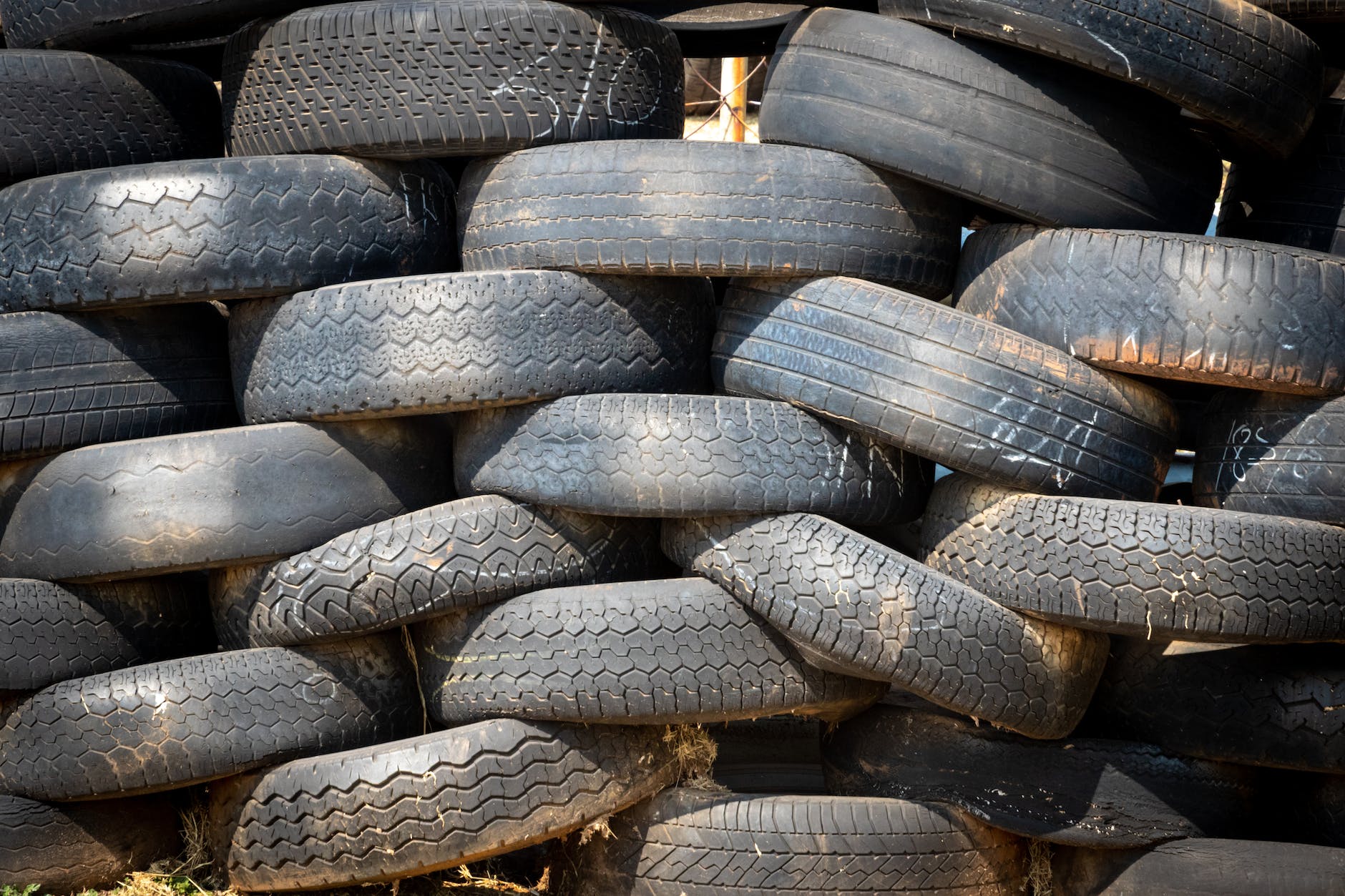

Rubber is a very useful material that we use every day for many things. We use it for making tires, shoes, things we use at home, and in industries too. But when we talk about whether rubber is biodegradable, it raises some questions. In this article, we will look at how long rubber products last and discuss if rubber can be broken down by nature.
Understanding Rubber Composition
Rubber is derived from the sap of rubber trees (natural rubber) or can be synthetically produced (synthetic rubber). Both natural and synthetic rubber share similar properties, including elasticity, durability, and resistance to wear and tear.
Biodegradability of Natural Rubber
Natural rubber, obtained from the sap of rubber trees, is more biodegradable than its synthetic counterparts. The primary component of natural rubber is a polymer called polyisoprene, which has a structure that allows it to break down naturally over time. When exposed to environmental factors like sunlight, oxygen, and microorganisms, natural rubber can degrade and return to the environment.
However, the rate of biodegradation for natural rubber can be slow. Factors such as temperature, moisture, and microbial activity can affect the speed at which natural rubber decomposes. In certain conditions, it can take years or even decades for natural rubber to break down completely.
Biodegradability of Synthetic Rubber
Synthetic rubber, on the other hand, is derived from petroleum-based materials and is generally less biodegradable than natural rubber. The manufacturing process of synthetic rubber involves the polymerization of various chemical compounds. These compounds, known as monomers, are linked together to form the rubber polymer.
Due to the chemical composition of synthetic rubber, it is less susceptible to biodegradation. Synthetic rubber products can persist in the environment for extended periods, taking up space in landfills and contributing to waste accumulation.
Recycling and Repurposing Rubber
While rubber may not biodegrade quickly, it is a material that can be recycled and repurposed. Recycling rubber involves processing it into new products or grinding it into crumb rubber for various applications such as playground surfaces, athletic tracks, or road construction.
Moreover, rubber can be reused or repurposed in its original form. For instance, worn-out tires can be given new treads and used again, which increases their lifespan and reduces waste.
Conclusion
In summary, whether rubber can break down naturally depends on what it’s made of. Rubber that comes from rubber trees is easier to break down compared to rubber that is made artificially. Over time, products made from natural rubber can decompose, although it might take a while. On the other hand, synthetic rubber, which is produced from materials derived from petroleum, is usually more difficult to decompose and can remain in the environment for a long time.
While rubber may not biodegrade rapidly, it is a material that can be recycled and repurposed, reducing waste and extending its useful life. Proper disposal and recycling practices are essential to mitigate the environmental impact of rubber products and ensure they are managed responsibly.

 Decoding Biosphere