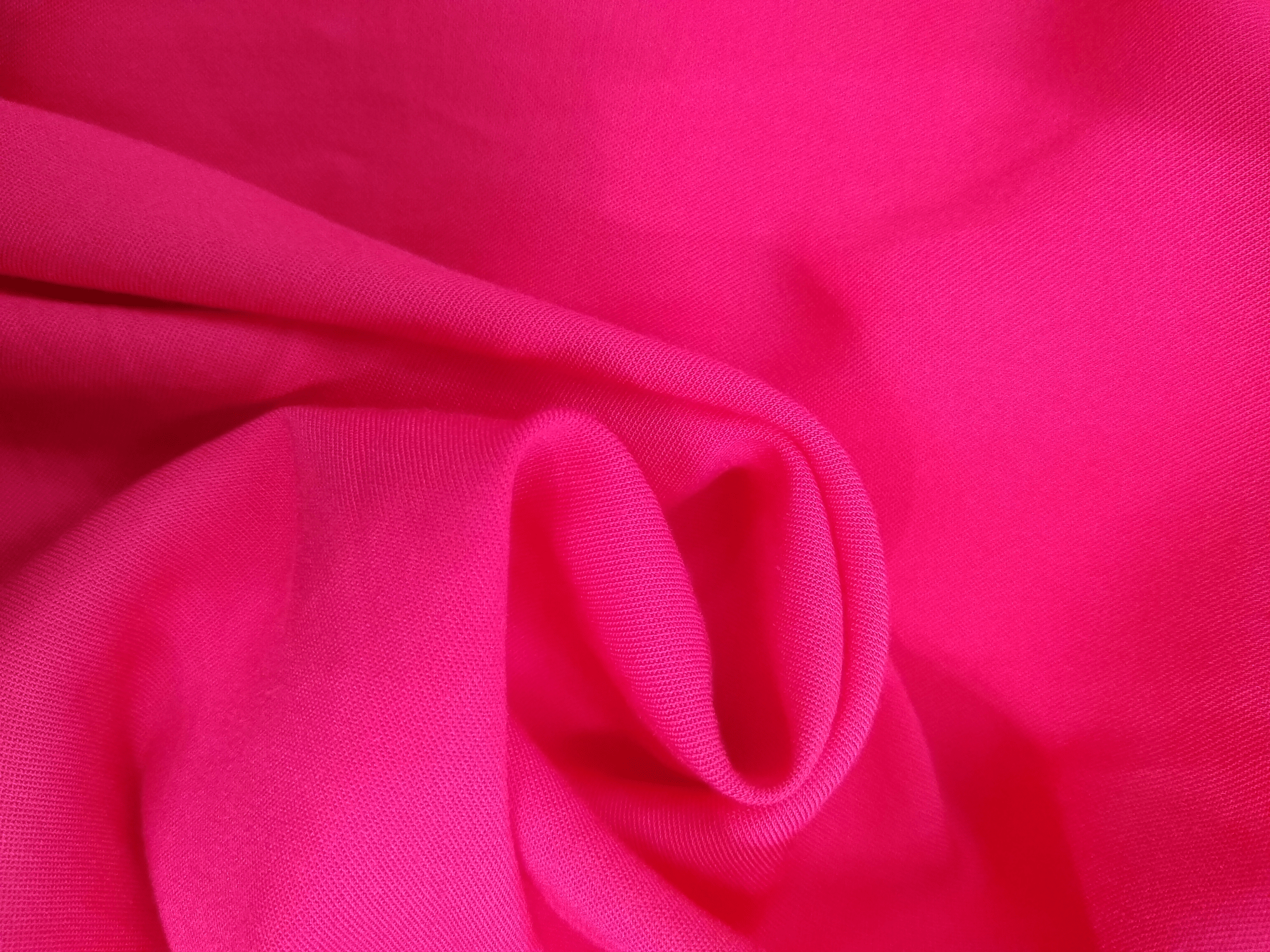
Rayon is a popular fabric that many of us use in our clothing and household products. It’s soft, comfortable, and versatile. But have you ever wondered what happens to rayon when it’s no longer needed? Is it biodegradable, compostable, or recyclable? In this article, we’ll explore the eco-friendliness of rayon and its impact on the environment.
What is Rayon?
Rayon is a type of fabric made from cellulose, which comes from wood pulp or bamboo. Cellulose is a natural substance found in plant cell walls, and rayon is considered a semi-synthetic fiber because it’s made from a natural source but requires chemical processing to turn it into fabric.
Is Rayon Biodegradable?
Yes, rayon is biodegradable to some extent. The reason is that it comes from plant-based materials like wood or bamboo, which contain cellulose, a biodegradable substance. When rayon is disposed of in the environment, microorganisms can break down the cellulose over time, returning it to nature. However, it’s important to note that the chemical treatment involved in turning wood pulp into rayon can affect its biodegradability. Some of the chemicals used in the process may make it less susceptible to natural breakdown.
Is Rayon Compostable?
No, rayon is not compostable. Composting is a process in which organic materials, like food scraps and yard waste, break down into nutrient-rich soil called compost. While rayon is derived from plant-based sources, it goes through chemical processing, which changes its properties. As a result, it cannot break down in a composting environment and should not be added to compost piles.
Is Rayon Recyclable?
The answer to whether rayon is recyclable is a bit complicated. In general, traditional rayon is not recyclable because the recycling process is more challenging due to the chemical treatment involved in making the fabric. When rayon goes through recycling facilities, it may not retain its original properties, making it unsuitable for reuse in textile production.
However, some companies are working on developing new technologies to recycle rayon and other semi-synthetic fibers more effectively. By finding ways to remove the chemical additives and returning the material to its cellulose form, the hope is that rayon recycling can become a reality in the future.
Eco-Friendly Alternatives to Rayon:
If you’re concerned about the environmental impact of rayon, there are some eco-friendly alternatives you can consider:
- Organic Cotton: Organic cotton is a natural fiber grown without harmful pesticides or chemicals. It’s biodegradable and can be a more sustainable option for clothing and household items.
- Hemp: Hemp is a durable and eco-friendly fabric made from the hemp plant. It requires less water and pesticides to grow and is biodegradable.
- Tencel (Lyocell): Tencel is a type of fiber made from sustainably sourced wood pulp. It’s produced using a closed-loop process, making it more eco-friendly and biodegradable.
- Organic Linen: Linen is made from the flax plant and is biodegradable. Choosing organic linen ensures it’s grown without harmful chemicals.
- Recycled Polyester: If you’re looking for a synthetic option, consider clothing made from recycled polyester. It’s made from recycled plastic bottles and reduces the demand for new raw materials.
Eco-Friendly Disposal of Rayon:
If you have rayon items that are no longer usable or wearable, it’s essential to dispose of them responsibly. Here are some eco-friendly ways to handle rayon waste:
- Donation: If your rayon clothing is still in good condition, consider donating it to thrift stores or charitable organizations.
- Upcycling: Get creative and repurpose your old rayon items into something new and useful, like cleaning rags or reusable shopping bags.
- Proper Disposal: If your rayon items are beyond use, dispose of them in the proper waste bin. Avoid throwing them in recycling bins or compost piles, as they may not be suitable for those processes.
Final Notes:
Rayon is a soft and versatile fabric made from plant-based materials, which gives it some biodegradable properties. However, the chemical treatment involved in its production can affect its eco-friendliness. While rayon is not compostable or readily recyclable in its current form, researchers are working on finding ways to improve its recyclability. In the meantime, choosing eco-friendly alternatives and disposing of rayon waste responsibly are essential steps we can take to reduce the environmental impact of this popular fabric.
You May Also Like

 Decoding Biosphere
