How to recycle kitchen waste water at home?
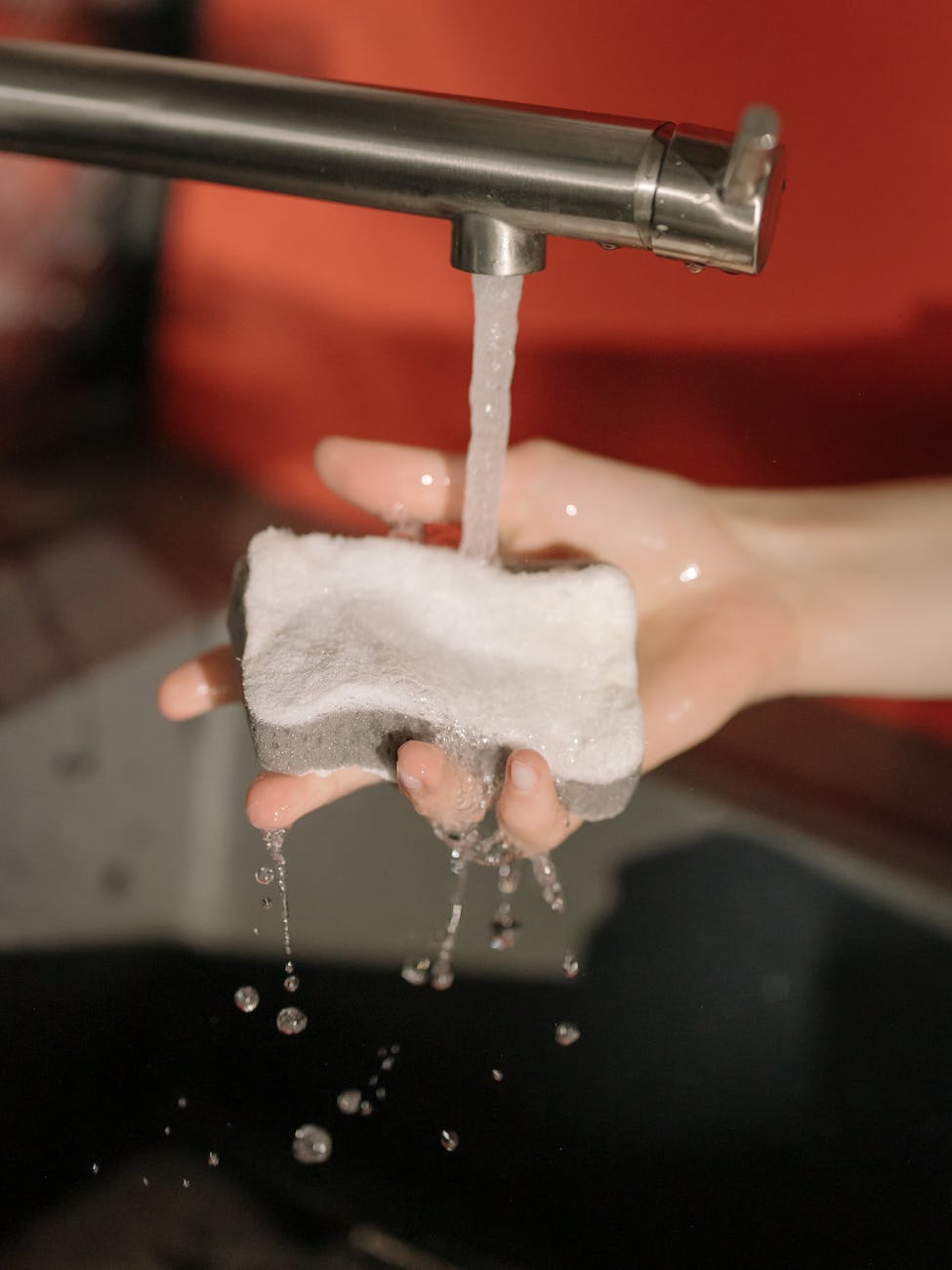
Water is a precious resource, and finding ways to conserve and reuse it is essential for a sustainable future. One area where we can make a significant impact is by recycling kitchen waste water at home. By implementing simple yet effective techniques, we can transform wastewater generated in the kitchen into a valuable resource for irrigation or other non-potable uses. In this article, we will explore various methods and tips for recycling kitchen waste water, allowing us to contribute to water conservation efforts and minimize our environmental footprint.
Understanding Kitchen Waste Water
Kitchen waste water refers to the water used for activities such as washing dishes, rinsing produce, or cleaning kitchen surfaces. This water typically contains organic matter, food particles, and potentially some grease or soap residues. While it may not be suitable for direct consumption, it can be safely reused for non-potable purposes.
Filtering and Collecting Waste Water
Before recycling kitchen waste water, it’s important to filter out solid particles and grease to prevent clogging and ensure the water is suitable for reuse. Here’s how to do it:
a. Strain or sieve: Use a fine mesh strainer or sieve to remove food particles and larger debris from the wastewater. This step helps prevent blockages in the recycling system.
b. Grease separation: Allow the waste water to stand for some time in a container or grease trap. This allows any fats, oils, or grease (FOG) to rise to the surface, forming a layer that can be skimmed off and discarded. Removing grease helps prevent clogging and keeps the recycled water cleaner.
Reusing Kitchen Waste Water
There are several ways to reuse kitchen waste water effectively:
a. Irrigation: One of the most common and practical uses for recycled kitchen waste water is irrigation. Use the water to hydrate your garden, potted plants, or outdoor green spaces. However, it’s important to note that kitchen waste water should not be used on edible plants unless it has undergone further treatment and purification.
b. Cleaning and Household Chores: Utilize the recycled water for non-potable cleaning tasks around the house. This can include mopping floors, washing outdoor areas, or cleaning vehicles.
c. Toilet Flushing: Another option is using the recycled water for flushing toilets. This method reduces freshwater consumption for this purpose, providing an eco-friendly alternative.
Precautions and Best Practices
When recycling kitchen waste water, it’s crucial to follow these precautions and best practices:
a. Avoid using water contaminated with toxic substances: Ensure that the water being recycled does not contain hazardous chemicals or cleaning agents that could be harmful to plants, animals, or the environment.
b. Use water promptly: It’s best to use recycled kitchen waste water within a reasonable time frame to prevent stagnation or the growth of harmful microorganisms.
c. Monitor water quality: Regularly assess the quality of the recycled water to ensure it remains free from foul odors, excessive grease, or visible contaminants. If the water appears unsuitable for reuse, redirect it to your regular waste water system.
d. Keep separate systems: It’s important to have separate plumbing systems for potable (drinking) water and recycled kitchen waste water to prevent cross-contamination.
Consult Local Regulations and Guidelines
Before implementing a kitchen waste water recycling system, check with local authorities or water management agencies to understand any regulations or guidelines in your area. Some regions may have specific requirements or restrictions regarding the reuse of wastewater, and it’s important to adhere to these regulations.
Take Away
Recycling kitchen waste water at home is a practical and sustainable approach to water conservation. By filtering and collecting the water, reusing it for irrigation or non-potable purposes, and following precautions and best practices, we can contribute to a greener future. Every drop counts, and by harnessing the potential of kitchen waste water, we can reduce our environmental impact, conserve freshwater resources, and promote sustainable living. Let’s take action today to create a more sustainable and water-conscious world for generations to come.

 Decoding Biosphere