
Fleece fabric has become quite common in the wardrobes, providing warmth, comfort, and a cozy feel. However, as sustainability gains prominence in consumer choices, it is important to examine the environmental impact of this popular fabric. This article explores the fleece fabric, specially its sustainability factors, advantages, and potential disadvantages.
Understanding Fleece Fabric:
Fleece fabric is a synthetic textile that was initially developed as an alternative to wool. It is made from polyethylene terephthalate (PET) or recycled plastic bottles. Fleece fabric is manufactured using a process called melt spinning, where the plastic polymers are melted and extruded into fine fibers. These fibers are then processed to create a soft and insulating fabric.
Also Read: Cork Fabric: A Sustainable Alternative to Leather?
Sustainability Considerations:
When assessing the sustainability of fleece fabric, it is crucial to consider both its production process and its impact on the environment.
Production Process: The manufacturing of fleece fabric involves the use of synthetic materials derived from petroleum-based sources. This reliance on non-renewable resources raises concerns about its overall environmental footprint. Also, the production process requires significant energy consumption and emits greenhouse gases, contributing to carbon emissions.
Microplastic Pollution: One significant environmental concern associated with fleece fabric is the shedding of microplastics during washing. These tiny plastic particles, often too small to be captured by wastewater treatment plants, can enter water bodies and harm marine life. Microplastic pollution has become a growing global concern, and fleece fabric is among the culprits contributing to this issue.

Recycled Fleece:
An effort to mitigate the environmental impact of fleece fabric has led to the development of recycled fleece. This involves utilizing post-consumer plastic bottles to create the fabric. Recycled fleece reduces the demand for new plastic production, promotes recycling, and diverts waste from landfills. It is a more sustainable alternative to conventional fleece fabric, albeit with some limitations.
More Reading: Lyocell Fabric: Pro and Cons
Pros of Fleece Fabric:
Despite its environmental concerns, fleece fabric offers several benefits that contribute to its popularity:
- Warmth and Insulation: Fleece fabric is known for its exceptional insulation properties, providing warmth without the bulk. It is a lightweight fabric that retains heat, making it suitable for cold weather activities and outdoor adventures.
- Softness and Comfort: Fleece fabric has a soft texture that feels cozy against the skin. Its plushness and gentle touch contribute to its comfort, making it a preferred choice for loungewear and activewear.
- Quick-Drying: Fleece fabric has moisture-wicking capabilities, meaning it can efficiently pull moisture away from the body and allow it to evaporate. This attribute makes it suitable for active individuals or outdoor enthusiasts who may sweat during physical activities.
- Durability: Fleece fabric is known for its durability and resistance to wear and tear. It can withstand repeated washings without significant pilling or fading, ensuring long-lasting use.
Cons and Limitations:
In addition to its environmental impact, fleece fabric has a few drawbacks:
- Microplastic Pollution: The shedding of microplastics during washing is a significant concern associated with fleece fabric. The release of these microfibers into water systems poses risks to marine life and ecosystems.
- Water Repellency: Fleece fabric is not inherently water-repellent. When exposed to moisture, it absorbs water instead of repelling it. This can result in a wet and uncomfortable feel in wet weather conditions.
- Breathability: Fleece fabric tends to be less breathable compared to natural fibers such as cotton or wool. It may trap heat and moisture, potentially leading to discomfort during prolonged physical activity or in warm weather.
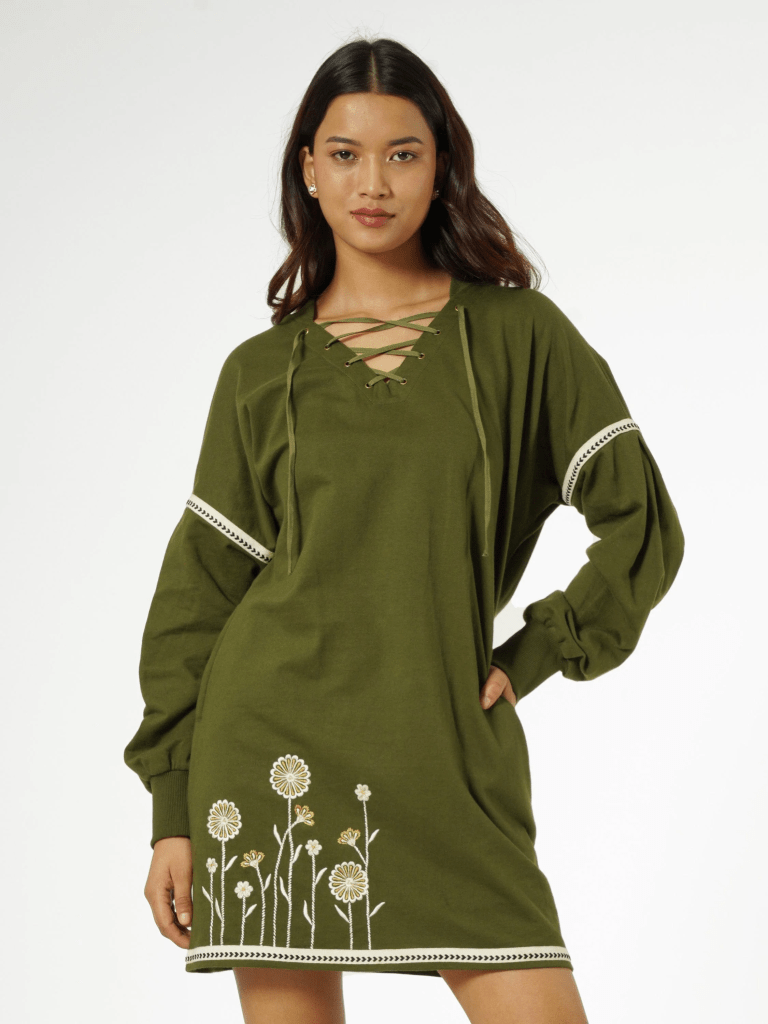
Fleece fabric is popular for its softness, warmth, and quick-drying properties. But it’s important to consider its environmental impact and contribution to microplastic pollution. To make fleece more sustainable, you can look for recycled options and eco-friendly manufacturing practices.
Some FAQs on Fleece Fabric
Is fleece fabric environmentally friendly?
Fleece fabric, being derived from synthetic materials and often made from petroleum-based sources, raises concerns about its environmental impact. The manufacturing process consumes significant energy and contributes to carbon emissions. Additionally, the shedding of microplastics during washing poses a threat to aquatic ecosystems. However, recycled fleece, made from post-consumer plastic bottles, offers a more sustainable alternative.
Can fleece fabric be recycled?
Fleece fabric made from virgin synthetic materials is generally not easily recyclable. However, some companies and organizations have developed recycling initiatives for polyester-based textiles, including fleece fabric. Recycling facilities or specialized programs may accept fleece fabric for recycling, but it is crucial to check with local recycling guidelines and resources.
Is fleece fabric biodegradable?
Fleece fabric made from synthetic materials, such as polyester, is not biodegradable. These fabrics are composed of long-lasting polymers that do not naturally break down over time. The persistence of synthetic fibers in the environment contributes to concerns surrounding plastic pollution. However, efforts are being made to develop biodegradable alternatives to traditional synthetic fleece.
You will Also Like: Faux Fur Fabric: A Sustainable Solution?
How can I reduce microplastic pollution from fleece fabric?
To minimize microplastic pollution from fleece fabric:
- Wash fleece garments infrequently and only when necessary.
- Use a washing machine equipped with a filter or a specialized microplastic-catching device.
- Consider using a front-loading washing machine, as they are generally known to release fewer microfibers compared to top-loading machines.
- Place fleece garments in a laundry bag specifically designed to capture microfibers.
- Opt for lower water temperatures, shorter wash cycles, and gentle detergents to reduce microfiber shedding.
- Hang dry fleece garments instead of using a dryer whenever possible.
Are there eco-friendly alternatives to fleece fabric?
Several eco-friendly alternatives to conventional fleece fabric exist, including:
- Recycled fleece: Made from post-consumer plastic bottles, recycled fleece reduces the demand for new plastic production and diverts waste from landfills.
- Organic cotton fleece: Organic cotton is grown without the use of synthetic pesticides or fertilizers, reducing its environmental impact.
- Hemp fleece: Hemp is a sustainable and fast-growing natural fiber that requires fewer resources to cultivate compared to conventional cotton or synthetic materials.
- Wool fleece: Wool is a natural and renewable fiber known for its warmth and insulation properties. Opting for ethically sourced and sustainable wool can further enhance its eco-friendliness.
Is fleece fabric breathable?
Fleece fabric is known for its warmth and insulation properties rather than breathability. While it can provide excellent insulation in colder temperatures, it may not offer the same level of breathability as natural fibers like cotton or linen. Fleece fabric can trap heat and moisture, potentially leading to discomfort during prolonged physical activity or in warm weather conditions.
Is fleece fabric expensive?
The cost of fleece fabric can vary depending on factors such as quality, brand, and whether it is made from virgin or recycled materials. In general, fleece fabric is considered to be relatively affordable compared to some natural fibers or luxury textiles. However, the price can vary, and certain specialty or designer fleece fabrics may be more expensive.
Is fleece fabric good for summer?
Fleece fabric is typically not the best choice for hot summer weather. It is designed to provide warmth and insulation, which can be uncomfortable in higher temperatures. While fleece fabric is soft and cozy, it may not offer the breathability or moisture-wicking properties needed to keep cool during the summer months.
Is fleece fabric good for winter?
Yes, fleece fabric is widely regarded as a suitable choice for winter clothing. Its insulating properties help retain body heat, providing warmth in colder temperatures. Fleece is often used in winter jackets, sweaters, and other cold-weather garments to provide comfort and insulation during chilly conditions.
Is fleece fabric warm?
Yes, fleece fabric is known for its warmth and insulation. It is designed to trap air between its fibers, creating a thermal barrier that helps retain body heat. This property makes fleece fabric a popular choice for winter clothing and cold-weather gear.
Is fleece fabric flammable?
Fleece fabric is generally considered flammable. Being a synthetic material, fleece fabric can melt and burn when exposed to high heat or flames. It is essential to follow safety guidelines and avoid exposing fleece garments to open flames or high heat sources.
Is fleece fabric stretchy?
Fleece fabric typically has some degree of stretch, but the level of stretchiness can vary depending on the specific blend and construction of the fabric. Certain types of fleece may incorporate stretch fibers or elastane to enhance their stretchability and flexibility.
Is fleece fabric woven?
No, fleece fabric is not woven but rather knitted. Fleece fabric is made by a process called melt spinning, where the synthetic fibers are extruded and then knitted together. The knitting process creates a soft and fluffy surface on one side of the fabric, while the other side has a smoother texture.
Source:
You May Also Like

 Decoding Biosphere