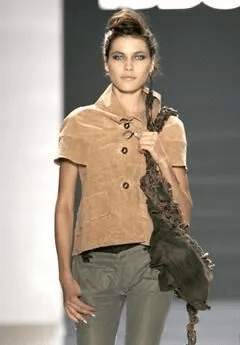
In the sustainable fashion industry, a worthy alternative to traditional leather has emerged: cork fabric, also known as cork leather. Derived from the bark of the cork oak tree, this innovative material offers a range of benefits that make it a popular choice among eco-conscious individuals. In this article, we explore about the cork fabric, its origins, properties, and the reasons why it is considered a sustainable option.
What is Cork Fabric?
Cork fabric is a natural material made from the outer bark of the cork oak tree (scientifically known as Quercus suber). The cork oak trees, predominantly found in Mediterranean countries, have a unique characteristic: their bark can be harvested without causing harm to the tree itself. The bark is carefully stripped off every nine to twelve years, allowing the tree to regenerate its protective covering.
Production Process:
Once the cork bark is harvested, it goes through a meticulous process to transform it into fabric. The bark is first boiled to remove impurities and then dried before being sliced into thin layers. These thin cork sheets are then combined with a fabric backing, usually made from organic cotton or polyester, to create cork fabric. The resulting material is lightweight, soft to the touch, and exhibits a distinct natural texture.
Properties of Cork Fabric:
Cork fabric boasts several remarkable properties that contribute to its appeal as a sustainable alternative to leather. Here are some notable characteristics:
- Sustainability: Harvesting cork does not require cutting down trees, as only the bark is removed. The trees continue to grow and absorb large amounts of carbon dioxide, making cork fabric a carbon-negative material.
- Durability: Cork fabric is highly durable and long-lasting. It is resistant to moisture, rot, and the growth of mold and mildew. Moreover, it is naturally fire-resistant, making it a safe choice.
- Softness and Versatility: Despite its durable nature, cork fabric is surprisingly soft and flexible. It can be easily shaped and molded, making it suitable for a variety of fashion and accessory applications.
- Hypoallergenic and Non-Toxic: Cork fabric is naturally hypoallergenic, antimicrobial, and does not contain harmful chemicals. It is an ideal choice for individuals with allergies or sensitive skin.

Sustainability of Cork Fabric:
Cork fabric is widely recognized as a sustainable material due to its positive impact on the environment. Here’s why:
- Renewable Resource: The cork oak trees have a lifespan of around 200 years and can be harvested multiple times during their lifetime. This renewable cycle ensures a continuous supply of cork bark without depleting the tree population.
- Carbon Sequestration: Cork oak trees are highly effective in absorbing carbon dioxide from the atmosphere. During the cork harvesting process, they absorb up to five times more CO2 than non-harvested trees, making cork fabric production carbon-negative.
- Biodiversity Conservation: Cork oak forests provide habitats for a diverse range of plant and animal species, contributing to the preservation of biodiversity.
- Minimal Waste: The production process of cork fabric generates minimal waste. Offcuts and scraps can be recycled or reused in various applications, reducing environmental impact.
Cork fabric, or cork leather, represents an eco-friendly alternative to traditional leather. Its sustainable sourcing, durability, softness, and versatility make it a sought-after material in the fashion industry. By choosing cork fabric, individuals can support the preservation of cork oak forests, mitigate carbon emissions, and contribute to a more sustainable future for the fashion industry.
Some FAQs on Cork Fabric
Is cork fabric as durable as traditional leather?
Yes, cork fabric is highly durable and can withstand regular use. It is resistant to moisture, rot, and the growth of mold and mildew. It retains its structural integrity over time and can endure wear and tear.
How does cork fabric compare to animal leather in terms of environmental impact?
Cork fabric is considered more sustainable than animal leather. Harvesting cork does not involve harming or cutting down trees, as only the bark is removed. This allows the trees to continue growing and absorbing carbon dioxide. Additionally, cork oak forests support biodiversity and have a positive impact on soil conservation.
Can cork fabric be used for various fashion and accessory applications?
Yes, cork fabric is versatile and can be used in various applications such as handbags, wallets, shoes, belts, and clothing. Its softness and flexibility make it easy to work with, allowing designers to create a wide range of stylish and functional products.
Is cork fabric suitable for individuals with allergies or sensitive skin?
Yes, cork fabric is hypoallergenic and non-toxic. It does not contain harmful chemicals and is unlikely to cause skin irritation or allergies. This makes it a safe and comfortable choice for individuals with sensitive skin.
How should cork fabric be cared for and cleaned?
Cork fabric is relatively low maintenance. It can be cleaned using a damp cloth and mild soap if needed. It is important to avoid immersing cork fabric products in water for extended periods or using harsh cleaning agents that can damage the material. Regularly conditioning the cork fabric with a specialized cork conditioner can help maintain its softness and extend its lifespan.
Can cork fabric be recycled?
Cork fabric is a recyclable material. Offcuts and scraps generated during production can be recycled or repurposed for other applications. Additionally, some manufacturers offer recycling programs for old or worn-out cork fabric products, ensuring they are properly disposed of or transformed into new materials.
Is cork fabric more expensive than traditional leather?
The cost of cork fabric can vary depending on factors such as quality, design, and brand. While it may be slightly more expensive than some lower-quality leathers, cork fabric is often competitively priced with high-quality leather products. Considering its sustainability and durability, many individuals find the cost of cork fabric to be justified.
You May Also Like:

 Decoding Biosphere