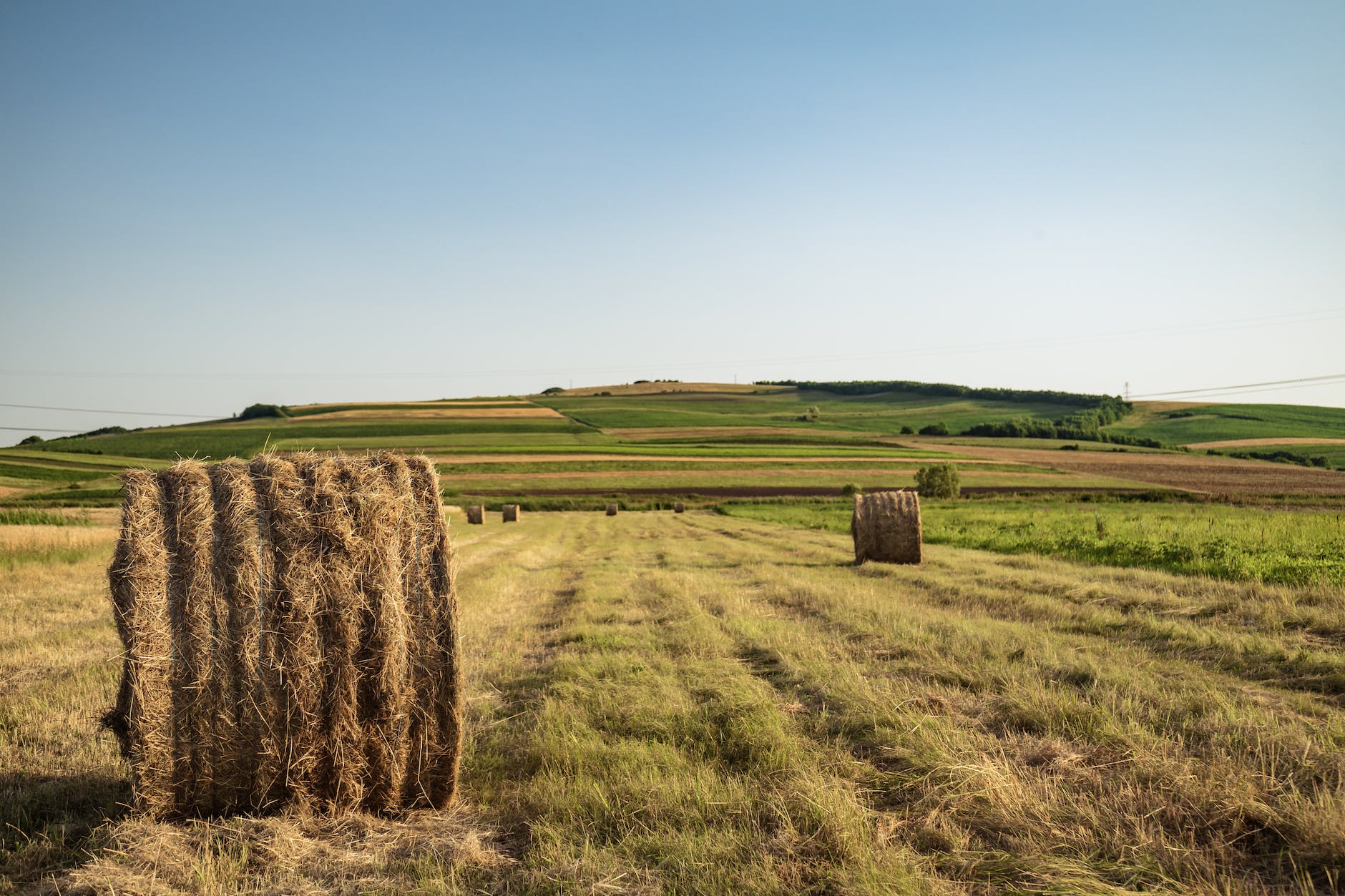
In recent years, the world has witnessed increasingly unpredictable and extreme weather events due to changing climate patterns. These shifts have a profound impact on agriculture, posing significant challenges to farmers. However, with proper adaptation strategies, farmers can not only mitigate the negative effects of climate change but also ensure the long-term sustainability of their operations. This article explores how farmers can adapt to changing climate patterns and promote sustainable agriculture practices.
What is Sustainable Agriculture?
Sustainable agriculture is an approach to farming that aims to meet the current and future needs for food, fiber, and other resources while preserving the environment and enhancing the well-being of farmers and society as a whole. It is a holistic system that considers economic, social, and environmental factors to create a balanced and resilient agricultural system.
Understanding the Impact of Climate Change on Agriculture
Before getting into adaptation strategies, it’s crucial to understand how climate change affects agriculture. Rising temperatures, altered precipitation patterns, and increased frequency of extreme weather events such as droughts and floods disrupt traditional farming practices. These changes affect crop yields, soil health, water availability, and even livestock management. To address these challenges, farmers must adopt innovative techniques that align with the evolving climate patterns.
1. Crop Diversification
Monoculture farming, which involves growing a single crop on a large scale, is vulnerable to climate change-induced risks. Crop diversification, the practice of cultivating a variety of crops, can help mitigate these risks. By planting different crops with varying environmental requirements, farmers can ensure that at least some crops thrive despite changing conditions. Additionally, crop diversity enhances soil health and reduces the reliance on specific inputs, promoting a more resilient and sustainable agricultural system.
2. Resistant and Climate-Adaptive Crop Varieties
Selecting crop varieties that are resistant to pests, diseases, and changing climate conditions is essential. Modern agricultural research has produced crop varieties specifically bred to withstand temperature fluctuations, drought, and other climate-related challenges. Integrating these varieties into farming practices enhances resilience and reduces the vulnerability of crops to climate change impacts.
3. Efficient Water Management
As changing climate patterns affect rainfall and water availability, efficient water management becomes critical. Implementing techniques such as drip irrigation, rainwater harvesting, and using drought-tolerant crops can optimize water usage. Farmers can also explore technologies like soil moisture sensors and remote sensing to monitor soil moisture levels and adjust irrigation practices accordingly.
4. Soil Health Enhancement
Healthy soil acts as a buffer against climate variability. Practices such as cover cropping, reduced tillage, and organic matter incorporation improve soil structure and water-holding capacity. Healthy soils also sequester carbon, contributing to climate change mitigation. Employing soil conservation methods not only boosts agricultural productivity but also ensures the long-term sustainability of the land.
5. Agroforestry and Windbreaks
Agroforestry, which involves integrating trees and shrubs with crops and livestock, offers numerous benefits in a changing climate. Trees provide shade, mitigate soil erosion, and enhance biodiversity. They also act as windbreaks, protecting crops and livestock from the damaging effects of strong winds. Agroforestry systems are an excellent example of how farmers can adapt to climate change while fostering sustainable land management.
6. Climate-Informed Decision Making
Access to timely and accurate climate information empowers farmers to make informed decisions. Weather forecasts, climate projections, and early warning systems enable farmers to adjust planting, irrigation, and harvest schedules based on upcoming weather patterns. Collaborating with meteorological agencies and agricultural extension services can provide farmers with the necessary information to plan and adapt effectively.
7. Sustainable Livestock Management
Livestock farming is also impacted by changing climate patterns. Heat stress, reduced grazing land, and altered feed availability are common challenges. Implementing shade structures, improving ventilation in livestock housing, and optimizing feed management can alleviate heat stress and enhance animal well-being. Additionally, incorporating fodder crops that are resilient to changing conditions can ensure a stable supply of animal feed.
8. Community Engagement and Knowledge Sharing
Farming communities can collectively adapt to climate change by sharing knowledge and experiences. Local farmer cooperatives, workshops, and extension services play a crucial role in disseminating climate-smart practices. Peer-to-peer learning can accelerate the adoption of innovative techniques and enhance the resilience of the entire agricultural community.
Final Words
Adapting to changing climate patterns is not an option but a necessity for farmers seeking sustainable agriculture. By embracing practices such as crop diversification, using climate-adaptive crop varieties, efficient water management, soil health enhancement, agroforestry, climate-informed decision-making, sustainable livestock management, and community engagement, farmers can mitigate the challenges posed by climate change and ensure the longevity of their operations.
You May Also Like

 Decoding Biosphere