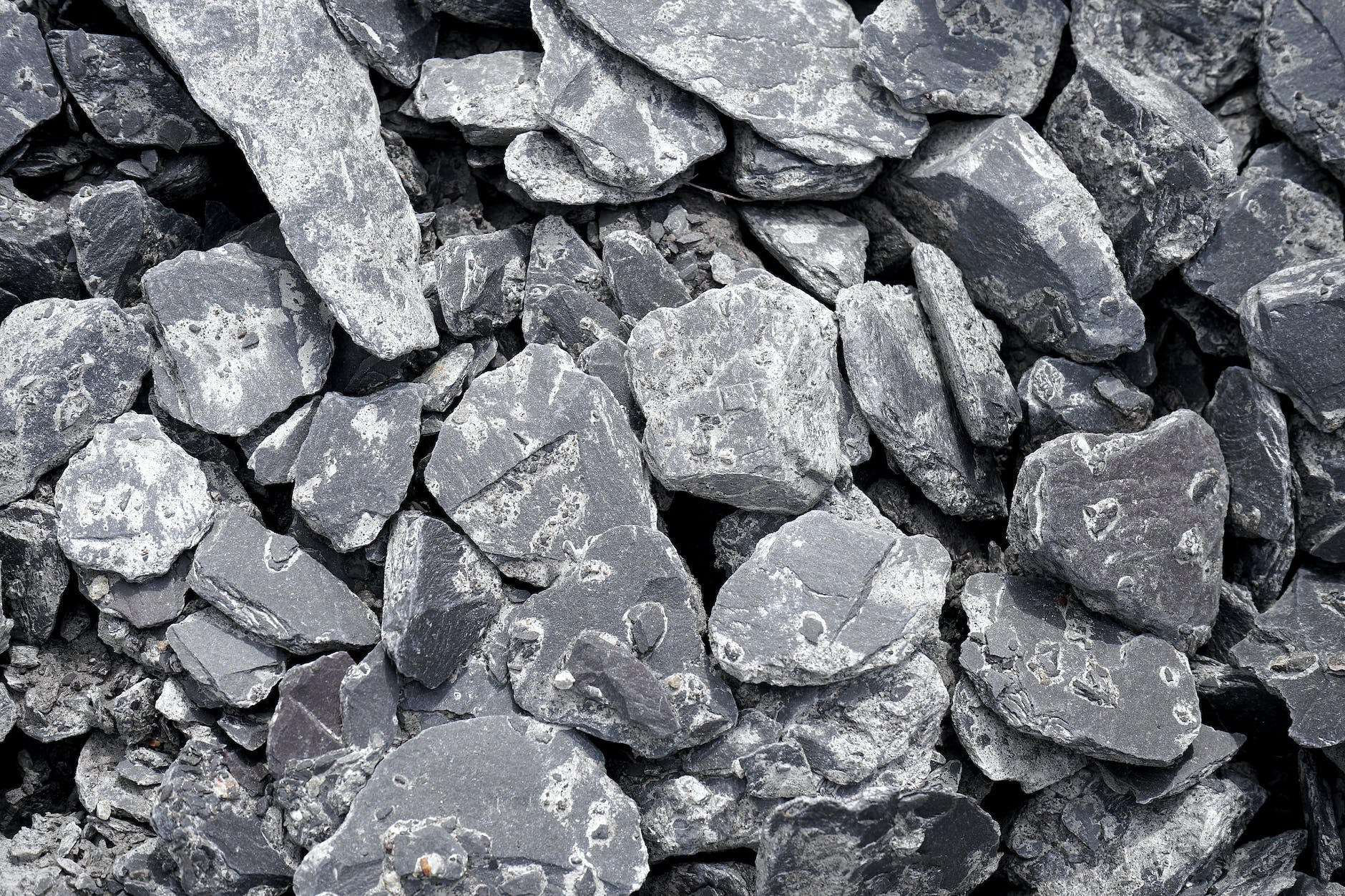
Minerals, often hidden deep within the Earth’s crust, are fundamental to modern society. They play a pivotal role in a wide range of industries, from construction and electronics to agriculture and manufacturing. As our reliance on minerals continues to grow, questions arise about the sustainability of their extraction and use. Are minerals a renewable resource, or are we depleting them at an unsustainable rate? This complex question requires a comprehensive examination of geological, economic, and environmental factors.
In this article we will look into the concept of renewable resources, the geological processes that create minerals, human activities that deplete them, potential alternatives and innovations, and the overall sustainability of our mineral consumption. By the end of this analysis, we aim to provide a balanced perspective on whether minerals can be considered renewable and how we can address the challenges associated with their availability.
What Are Renewable Resources?
Before we understand the renewability of minerals, it’s crucial to understand the concept of renewable resources. Renewable resources, also known as sustainable resources, are those that can be naturally replenished over time. They typically include resources like water, wind, sunlight (for energy production), and certain agricultural products. The key characteristic of renewable resources is that they can be used without depleting the resource itself, as long as they are managed responsibly.
You will also like : Is Water Renewable or Non-renewable Resource?
In contrast, non-renewable resources are finite and cannot be easily replenished on a human timescale. Minerals, such as iron, copper, and rare earth elements, are often categorized as non-renewable resources because their formation occurs over geological timescales and their extraction rates far exceed their natural replenishment rates.
More Reading: 23 Examples of Renewable and Non-Renewable Resources
The Geological Origin of Minerals
To understand whether minerals are renewable resources, we must first explore how they are formed in the Earth’s crust. Minerals are naturally occurring, inorganic substances with a specific chemical composition and crystalline structure. They result from geological processes that take place deep within the Earth. The primary processes responsible for mineral formation are:
- Magmatic Processes: Many minerals originate from the cooling and solidification of molten rock, known as magma. As the magma cools, minerals crystallize and form, such as the creation of quartz and feldspar in granite.
- Hydrothermal Processes: Minerals can also form when hot, mineral-rich fluids circulate through fractures and cavities in rocks. This process leads to the formation of valuable minerals like gold, silver, and copper.
- Sedimentary Processes: Certain minerals, like halite (table salt) and gypsum, precipitate from water as it evaporates or as part of the sedimentary rock formation process.
- Metamorphic Processes: High-temperature and high-pressure conditions within the Earth’s crust can cause existing minerals to transform into new ones through metamorphism. For example, limestone can transform into marble through this process.
The geological processes involved in mineral formation are inherently slow, taking thousands to millions of years. This natural timescale raises significant questions about the renewability of minerals, especially given the rapid pace of human consumption.
The Role of Human Activities
Human activities have had a significant impact on mineral availability and renewability. Historically, humans relied on easily accessible surface minerals for their needs. However, as populations grew and technology advanced, the demand for minerals surged, leading to more extensive and deeper mining operations. Here are some key ways in which human activities have influenced the availability of minerals:
- Mining: The extraction of minerals from the Earth’s crust has intensified over the years. Traditional mining methods, such as open-pit and underground mining, have been employed to access valuable minerals. The extraction process can result in habitat destruction, soil erosion, and water pollution.
- Energy Consumption: The production of minerals, especially metals like aluminum and steel, is energy-intensive. The burning of fossil fuels for energy contributes to greenhouse gas emissions, climate change, and resource depletion. This reliance on non-renewable energy sources further complicates the question of mineral renewability.
- Waste Generation: The mining and processing of minerals generate significant amounts of waste, including tailings, which are often stored in large impoundments. These waste materials can pose environmental risks and may contain toxic substances that leach into surrounding ecosystems.
- Urbanization and Infrastructure: The rapid growth of urban areas and infrastructure development consumes vast quantities of construction materials, including sand, gravel, and concrete. These materials are essential for modern cities but are often extracted without proper management, contributing to habitat loss and resource depletion.
- Technological Advancements: Advances in technology have increased the demand for rare earth elements, essential components in electronics, renewable energy technologies, and electric vehicles. The extraction and processing of these elements can have environmental and social impacts, especially when not regulated properly.
The Dilemma of Depletion and Substitution
Minerals, being finite resources, face the threat of depletion. This depletion can lead to economic and environmental consequences. When a mineral becomes scarcer, its price typically rises, affecting the cost of products and industries that rely on it. Additionally, as more remote and challenging deposits are exploited, the environmental impact of mining can escalate.
Substitution is one approach to mitigate the depletion of critical minerals. This involves finding alternative materials or technologies that can perform the same function as the mineral in question. For example, as copper becomes scarcer, researchers are exploring the use of alternative materials like aluminum or carbon nanotubes in electrical wiring and components. However, substitution is not always straightforward, as it may come with its own set of challenges, such as technical limitations and environmental considerations.
The Paradox of Recycling
Recycling is often projected as a sustainable solution to mineral depletion. By reusing and recycling materials, we can reduce the demand for new mining operations. While recycling is indeed crucial for sustainability, it is not a panacea. Several factors complicate the recycling of minerals:
- Collection and Sorting: Effective recycling relies on efficient collection and sorting processes. Not all minerals are easily recoverable from products at the end of their life cycles. Additionally, contamination and mixed materials can make recycling more challenging.
- Energy and Cost: Recycling often requires energy-intensive processes, such as melting and refining. These processes can be expensive and may produce emissions. The energy and cost balance of recycling versus virgin material extraction varies depending on the specific mineral and the availability of recycling infrastructure.
- Quality and Purity: Recycled materials may not always meet the same quality and purity standards as virgin materials. This can limit their use in certain applications, particularly in industries that require high-performance materials.
- Limited Lifespan: Even with recycling, minerals may still be lost from the system over time. For example, during recycling processes, some material may become unusable or be downgraded in quality, eventually ending up as waste.
- Economic Incentives: The economic viability of recycling depends on factors like market prices and government policies. In some cases, recycling may not be financially attractive compared to using newly extracted minerals.
Recycling, therefore, offers an important strategy for extending the lifespan of minerals, but it is not a guarantee of their renewability, especially when considering the challenges and limitations mentioned above.
The Case of Rare Earth Elements
Rare earth elements (REEs) are a prime example of the complex issues surrounding mineral renewability. These elements are critical components in a wide range of high-tech applications, including electronics, electric vehicles, wind turbines, and energy-efficient lighting. The name “rare earth” is somewhat misleading, as many of these elements are not particularly rare in the Earth’s crust. However, they are often dispersed in low concentrations, making their extraction and processing challenging and environmentally impactful.
The challenges associated with REE production include:
- Environmental Impact: The extraction and processing of REEs can result in extensive environmental damage, including habitat destruction, water pollution, and soil contamination.
- Geopolitical Concerns: A significant portion of global REE production is concentrated in a few countries, particularly China. This geopolitical imbalance raises concerns about supply security and the potential for trade disputes.
- Recycling Challenges: REEs are notoriously difficult to recycle due to their dispersion in small quantities within complex products. This makes it economically and technologically challenging to recover and reuse them.
Efforts to address these challenges include the development of more sustainable extraction methods, increased recycling efforts, and research into alternative materials. However, the renewability of REEs remains uncertain given the complexities involved.
Potential Solutions and Innovations
Addressing the question of mineral renewability requires a multi-faceted approach that combines conservation, responsible mining practices, recycling, and the development of alternative materials and technologies. Here are some potential solutions and innovations that can contribute to the sustainable use of minerals:
- Responsible Mining Practices: Implementing stricter regulations and best practices in mining operations can reduce the environmental and social impact of mineral extraction. This includes efforts to minimize habitat destruction, improve waste management, and reduce water and air pollution.
- Sustainable Extraction Technologies: Research into more sustainable extraction methods, such as bioleaching and phytomining, aims to reduce the environmental footprint of mining operations.
- Circular Economy: Embracing the principles of the circular economy can enhance the sustainability of mineral use. This involves designing products with recycling in mind and creating closed-loop systems where materials are continuously reused.
- Material Efficiency: Innovations in material efficiency can reduce the demand for minerals. This includes developing lightweight materials, 3D printing technologies, and design approaches that require fewer resources.
- Urban Mining: Recycling efforts can be enhanced by recovering minerals from electronic waste and other discarded products. Urban mining initiatives aim to extract valuable materials from existing infrastructure.
- Substitution and Alternative Materials: Research and development efforts should continue to identify and develop alternative materials that can replace critical minerals in various applications.
- International Cooperation: International collaboration and agreements can help ensure the responsible management and equitable distribution of mineral resources, reducing the risk of geopolitical conflicts.
More Reading: Mine the E-waste instead of Mining the Earth
The Role of Policy and Regulation
Effective policies and regulations are essential for promoting the sustainable use of minerals. Governments and international organizations play a crucial role in setting guidelines and standards for mineral extraction, processing, and recycling. Here are some policy measures that can contribute to mineral sustainability:
- Resource Management: Governments can implement strategies to manage mineral resources effectively. This includes setting limits on extraction rates, promoting recycling, and encouraging responsible mining practices.
- Environmental Protection: Regulations should be in place to minimize the environmental impact of mining operations. This includes requirements for habitat restoration, water quality monitoring, and pollution control.
- Recycling Incentives: Governments can incentivize recycling by offering tax breaks or subsidies to businesses and individuals who engage in recycling activities.
- Research and Development Funding: Public funding for research and development into sustainable mining and alternative materials can drive innovation in the industry.
- International Agreements: International agreements can help address the global challenges of mineral resource management, including issues related to supply security and environmental impact.
- Transparency and Accountability: Transparency in the mineral supply chain can help ensure that minerals are sourced responsibly and do not contribute to conflict or human rights abuses.
- Market Mechanisms: Market-based mechanisms, such as carbon pricing and eco-labeling, can encourage responsible mineral sourcing and recycling.
Conclusion: The Complex Reality of Mineral Renewability
The question of whether minerals are renewable resources is a complex one. While minerals are naturally formed over geological timescales, their extraction rates by humans often far exceed their natural replenishment rates. This leads to concerns about the sustainability of our mineral consumption, especially given the environmental and social impacts associated with mining.
Efforts to address mineral renewability include responsible mining practices, recycling, substitution, and the development of alternative materials. Policy and regulation also play a crucial role in promoting sustainable mineral use.
In the quest for sustainability, it is essential to recognize that not all minerals are equal in terms of renewability. Some may be more abundant and easier to recycle or substitute than others. Therefore, a case-by-case approach is necessary to evaluate the renewability of specific minerals and to develop appropriate strategies for their sustainable use.
References:
- Mineral resources for renewable energy: Optimal timing of energy production
- Mineral Resource Depletion Assessment: Alternatives, Problems, Results
You May Also Like

 Decoding Biosphere