How to Dispose Mercury Thermometer?
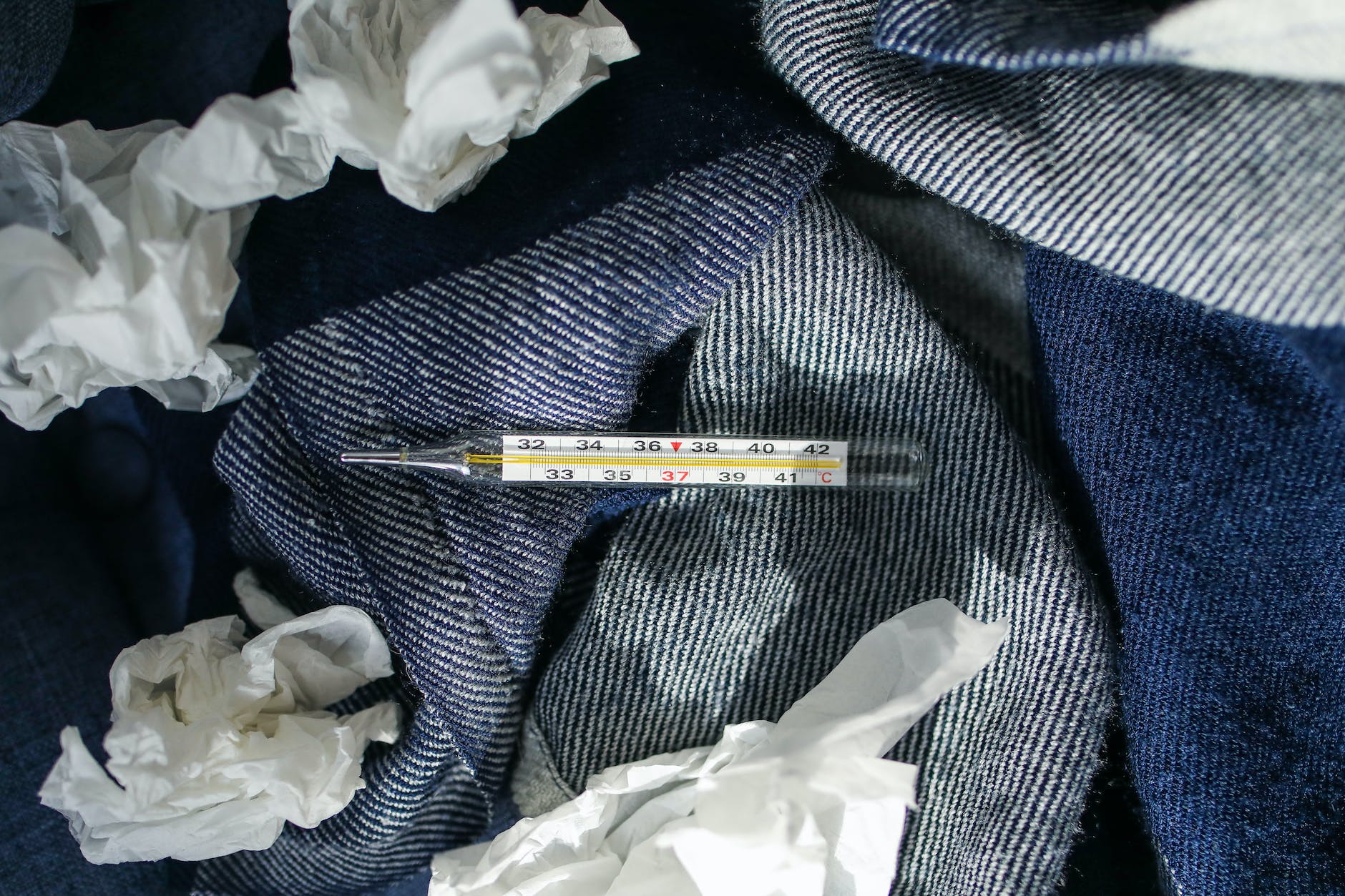
Mercury thermometers have been widely used in households and healthcare settings to measure temperature accurately. However, due to the potential risks associated with mercury exposure, it is crucial to handle the disposal of mercury thermometers with great care. In this article, we will explore the proper methods for safely disposing of mercury thermometers, ensuring the protection of human health and the environment.
Recognize the Presence of Mercury
Identifying whether you have a mercury thermometer is the first step in ensuring its safe disposal. Traditional mercury thermometers contain a silver liquid metal known as elemental mercury. If the thermometer is broken or damaged, mercury can be released, posing a significant health risk.
If you are uncertain about the type of thermometer you have, check for a silver or metallic appearance within the thermometer’s bulb. Additionally, consult the product packaging, manual, or contact the manufacturer to confirm if it contains mercury.
Replace with a Digital Thermometer
To promote safety and reduce the risk of mercury exposure, consider replacing your mercury thermometer with a digital thermometer. Digital thermometers use electronic sensors instead of mercury, providing accurate temperature readings without the associated health and environmental hazards. Digital thermometers are widely available, affordable, and easy to use.
Contain and Isolate the Thermometer
If you have a mercury thermometer and need to dispose of it, it is crucial to handle it with extreme caution to avoid accidental breakage or spillage. Follow these steps to contain and isolate the thermometer safely:
a. Wear gloves: Put on disposable gloves to prevent direct contact with the thermometer or any potential mercury.
b. Avoid shaking: Ensure the thermometer is held upright and avoid shaking it to prevent the mercury from splashing or dispersing.
c. Place in a sealable bag or container: Carefully place the mercury thermometer inside a puncture-resistant, sealable bag or container. This will prevent any potential leaks or breakage.
d. Keep away from other items: Store the bag or container in a secure location away from other household items to minimize the risk of accidental damage.
Contact Local Authorities or Health Departments
Contact your local waste management authority or health department to inquire about local regulations and guidelines for disposing of mercury-containing products. They can provide specific instructions and information on disposal programs or designated collection points available in your area.
Professional Hazardous Waste Collection
In many regions, professional hazardous waste collection programs exist to safely dispose of mercury-containing items. These programs ensure that hazardous materials, including mercury thermometers, are handled and disposed of properly. Contact your local waste management authority or health department to inquire about hazardous waste collection programs in your area.
Do Not Vacuum or Sweep
If a mercury thermometer breaks or spills, it is crucial to avoid using a vacuum cleaner or sweeping it up. These actions can spread mercury vapor or small mercury droplets, increasing the risk of exposure. Instead, follow these steps for cleanup:
a. Ventilate the area: Open windows and doors to allow fresh air to circulate, aiding in the dispersal of mercury vapor.
b. Gather mercury droplets: Use disposable gloves and a piece of cardboard or stiff paper to carefully gather any visible mercury droplets. Avoid using your bare hands or direct contact.
c. Use a mercury spill kit: If available, use a specialized mercury spill kit, following the instructions provided. These kits contain materials designed to safely collect and contain mercury spills.
d. Place contaminated items in a sealed bag: Put the gathered mercury droplets, broken thermometer pieces, and any contaminated materials in a sealable bag or container.
e. Contact authorities for cleanup guidance: Contact your local waste management authority, health department, or environmental protection agency for guidance on proper cleanup and disposal procedures.
Take Away
The safe disposal of mercury thermometers is essential for protecting human health and the environment from mercury exposure. By recognizing the presence of mercury, replacing with digital thermometers, and following proper containment and disposal procedures, we can minimize the risks associated with mercury-containing products. Remember to contact local authorities or health departments for specific disposal guidance, and always prioritize safety when handling and disposing of mercury thermometers. Let us all contribute to a safer and healthier future by responsibly managing hazardous materials like mercury.

 Decoding Biosphere