Water pollution is the contamination of water bodies such as lakes, rivers, oceans, and groundwater, primarily due to human activities. This pollution disrupts aquatic ecosystems, makes water unsafe for consumption, and negatively affects biodiversity. Understanding water pollution is crucial for devising effective strategies for mitigation and management.
Table of Contents
- Types of Freshwater Pollutants
- Sources of Freshwater Pollution
- Characteristics of Domestic Waste
- Characteristics of Agricultural Waste
- Effluent and Drinking Water Standards
- Consequences of Water Pollution
- Remedial Measures for Freshwater Pollution
- 1. Industrial Water Treatment
- 2. Denitrification Techniques
- 3. Septic Tank and Sewage Management
- 4. Ozone Wastewater Treatment
- 5. Sustainable Agricultural Practices
- 6. Stormwater Management
- 7. Filtration and Sediment Control
- 8. Spill Containment and Hazardous Waste Management
- 9. Removal of Floating Pollutants
- 10. Recycling and Reuse of Wastewater
- 11. Use of Renewable Energy in Water Treatment
- 12. Encouraging Solar-Powered Transportation
- 13. Sustainable Dredging Practices
- 14. Household Wastewater Management
- 15. Safe Disposal of Hazardous Household Products
- 16. Public Awareness and Policy Implementation
- Case Studies of Freshwater Pollution
Types of Freshwater Pollutants
1. Sediments and Suspended Solids
Sediments and suspended solids are fine inorganic particles such as mud, sand, and silt that enter water bodies due to land cultivation, construction, demolition, and mining. Soil erosion is a primary cause of this pollution, where rainwater run-off washes loose particles into rivers. These particles remain suspended in moving water, giving many rivers a brownish appearance, especially during the rainy season. As sediments settle, they can suffocate aquatic organisms and reduce light penetration, affecting the growth of aquatic plants and disrupting ecosystems.
2. Organic Matter
Organic pollutants, such as human and animal waste, originate from living organisms. As these materials decompose, they consume dissolved oxygen in the water, leading to hypoxic or anaerobic conditions. This depletion of oxygen can be detrimental to aquatic life, especially fish and other oxygen-sensitive species. In stagnant water bodies, excessive organic waste results in foul odors and further degradation of water quality.
3. Biological Pollutants
Biological pollutants include harmful microorganisms like bacteria, viruses, protozoa, and helminths. These contaminants enter water through human and animal waste, leading to severe health issues such as cholera, typhoid, and hepatitis. Contaminated water handling systems, improper sanitation, and exposure to untreated sewage contribute to the spread of these pollutants, making them a significant concern in public health and environmental sustainability.
4. Plant Nutrients
Nitrates and phosphates are nutrients that originate from agricultural runoff, fertilizers, and human or animal waste. While these nutrients support plant growth, their excessive presence leads to eutrophication—a process where algal blooms proliferate, reducing oxygen levels in the water. This condition results in the mass mortality of aquatic organisms, ecosystem imbalances, and water quality deterioration.
5. Chemical Pollutants
Heavy metals such as arsenic, mercury, lead, copper, and cadmium contaminate freshwater sources through industrial discharge, mining activities, and improper waste disposal. These metals accumulate in aquatic organisms and pose long-term health risks to humans, including neurological damage, developmental disorders, and cancer. In addition, acidic or alkaline water resulting from chemical pollutants disrupts aquatic ecosystems and affects drinking water quality.
6. Pesticides
Pesticides, including insecticides, herbicides, and fungicides, are extensively used in agriculture to control pests. However, runoff from farms leads to pesticide contamination in freshwater bodies. Persistent chemicals such as DDT accumulate in aquatic organisms, causing bioaccumulation and biomagnification. These toxic substances disrupt endocrine functions, reproductive health, and food chain stability in aquatic ecosystems.
7. Radioactive Pollutants
Radionuclides such as uranium, radium, and potassium-40 enter water sources due to nuclear power plants, medical waste disposal, and mining activities. These pollutants pose severe health risks, including cancer and genetic mutations, when consumed through drinking water. Radioactive contamination persists in the environment for long durations, making its mitigation and control a significant challenge.
Sources of Freshwater Pollution
Freshwater pollution arises from a variety of human activities, including domestic, industrial, and agricultural practices. The contamination of water sources not only degrades water quality but also threatens aquatic life and human health. This chapter explores the primary sources of freshwater pollution and their impacts.
1. Human Excreta
Open defecation and poorly constructed pit latrines are significant sources of water contamination. In areas with water-flushed sewerage systems, improperly treated sewage can introduce pathogenic microorganisms, organic matter, and toxic substances into freshwater bodies.
Sewage refers to wastewater that includes human waste, commercial and industrial effluents, and surface runoff. Sewerage, on the other hand, is the network of pipes through which sewage flows. If untreated or inadequately treated, sewage contributes to high oxygen demand in water and promotes the proliferation of disease-causing microbes.
2. Manufacturing and Industrial Plants
Industries utilize large volumes of water in production processes, generating effluents with organic and inorganic contaminants. Food processing plants release biodegradable waste rich in carbohydrates, proteins, and fats. Conversely, chemical, electroplating, leather, and paper industries discharge highly toxic effluents containing cyanides, heavy metals, and acids.
Without proper treatment, these pollutants enter freshwater sources, altering their chemical composition and harming aquatic ecosystems. Many industries lack adequate effluent treatment facilities, leading to the direct discharge of untreated wastewater into rivers and lakes.
3. Agriculture and Animal Rearing
Agriculture significantly contributes to freshwater pollution through runoff carrying pesticides, fertilizers, and animal waste. Intensive livestock farming generates large amounts of slurry, which, if not properly managed, can seep into groundwater or flow into nearby water bodies.
Overgrazing and land cultivation increase soil erosion, resulting in sediments being washed into rivers and reservoirs. This reduces water storage capacity and negatively impacts aquatic biodiversity. Excess fertilizers elevate nitrate and phosphate levels, causing eutrophication and oxygen depletion.
4. Domestic and Industrial Solid Waste Sites
Improper waste disposal leads to water pollution through leachate formation. Landfills, especially those poorly managed, generate leachate—highly polluted liquid containing organic and inorganic substances.
Leachate from industrial waste sites may include heavy metals, toxic chemicals, and persistent organic pollutants (POPs), which contaminate both surface water and groundwater. Proper landfill design, waste segregation, and leachate treatment are crucial for preventing water pollution from solid waste disposal sites.
5. Urban Surface Water Runoff
Rainwater runoff from roads, parking areas, and rooftops carries a mix of pollutants, including oil, heavy metals, microplastics, and debris. Motor vehicles contribute to the contamination of runoff water through tire wear particles, fuel residues, and exhaust emissions.
Surface runoff can degrade water quality by introducing sediments, organic pollutants, and chemical contaminants into aquatic ecosystems. Runoff management strategies, such as green infrastructure and stormwater treatment systems, can help mitigate its impact on freshwater bodies.
Characteristics of Domestic Waste
Domestic wastewater, commonly known as sewage, consists of water from households, kitchens, toilets, and laundry. It contains:
- Pathogens: Bacteria, viruses, and parasites that can cause waterborne diseases.
- Biodegradable Organic Matter: Food waste, human waste, and detergents that deplete oxygen levels.
- Nutrients: Phosphates and nitrates that promote algal blooms.
- Chemicals and Heavy Metals: Cleaning agents, pharmaceuticals, and household chemicals that may persist in the environment.
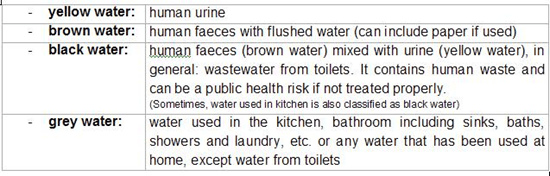
The strength and composition of domestic wastewater fluctuate on an hourly, daily, and seasonal basis. These variations are influenced by factors such as per capita water usage, household habits, diet, living standards, and lifestyle. One of the key reasons for these fluctuations is the differing patterns of water consumption in households. In general, households in developed countries use significantly more water than those in developing countries due to higher living standards and greater access to water-intensive appliances.
Wastewater components can be categorized into several main groups, each of which has specific environmental effects when discharged untreated into water bodies:
| Component | Of Special Interest | Environmental Effect |
|---|---|---|
| Microorganisms | Pathogenic bacteria, viruses, worm eggs | Health risks from bathing and consuming contaminated shellfish |
| Biodegradable Organic Materials | Oxygen depletion in rivers and lakes | Leads to fish deaths and foul odors |
| Other Organic Materials | Detergents, pesticides, fats, oils, grease, solvents, phenols, cyanide | Toxic effects, aesthetic degradation, bioaccumulation in the food chain |
| Nutrients | Nitrogen, phosphorus, ammonium | Eutrophication, oxygen depletion, and toxicity to aquatic life |
| Metals | Mercury (Hg), Lead (Pb), Cadmium (Cd), Chromium (Cr), Copper (Cu), Nickel (Ni) | Toxic effects and bioaccumulation in organisms |
| Other Inorganic Materials | Acids (e.g., hydrogen sulfide), bases | Corrosion and toxic effects on aquatic ecosystems |
| Thermal Effects | Hot water | Disrupts natural living conditions for aquatic flora and fauna |
| Odor and Taste | Hydrogen sulfide | Causes aesthetic nuisances and toxic effects |
| Radioactivity | Radioactive elements | Toxic effects and long-term accumulation in organisms |
Physical Characteristics of Domestic Wastewater
Physically, domestic wastewater is typically characterized by a grayish color, a musty odor, and a solids content of approximately 0.1%. The solid material in wastewater consists of a mixture of feces, food particles, toilet paper, grease, oil, soap, salts, metals, detergents, sand, and grit. These solids can be classified into two types: suspended solids (about 30%) and dissolved solids (about 70%). Dissolved solids may precipitate out through chemical and biological processes. Suspended solids, if not removed, can lead to sludge formation and the development of anaerobic conditions when discharged into water bodies, further deteriorating water quality.
Chemical Characteristics of Domestic Wastewater
Chemically, wastewater is composed of approximately 70% organic compounds and 30% inorganic compounds, along with various dissolved gases. The primary organic compounds in wastewater include:
- Carbohydrates (25%) – Derived from food waste and biodegradable substances.
- Proteins (65%) – Originate from human waste, food scraps, and biological residues.
- Fats and oils (10%) – Introduced through cooking and industrial discharges.
Inorganic components include heavy metals, nitrogen, phosphorus, sulfur, chlorides, alkalinity, and various toxic substances. A significant portion of these components is in dissolved form—about 85–90% of the total inorganic content and 55–60% of the total organic content are dissolved in wastewater.
Common gases dissolved in wastewater include hydrogen sulfide (H₂S), methane (CH₄), ammonia (NH₃), oxygen (O₂), carbon dioxide (CO₂), and nitrogen (N₂). The first three gases—hydrogen sulfide, methane, and ammonia—are primarily produced through the decomposition of organic matter and contribute to unpleasant odors and toxicity in water bodies.
Biological Characteristics of Domestic Wastewater
Biologically, wastewater contains various microorganisms, including bacteria, fungi, protozoa, and algae. These microorganisms fall into three major categories:
- Protista – Includes bacteria, fungi, protozoa, and algae, which play crucial roles in wastewater treatment.
- Plants – Includes ferns, mosses, seed plants, and liverworts that may grow in nutrient-rich wastewater environments.
- Animals – Includes invertebrates and vertebrates that may thrive in contaminated water bodies.
From a wastewater treatment perspective, protista (especially bacteria, algae, and protozoa) are the most significant organisms, as they contribute to both pollution and treatment processes. Wastewater also contains numerous pathogenic microorganisms that originate from infected humans or carriers of diseases. The concentration of fecal coliform bacteria in raw domestic wastewater typically ranges from several hundred thousand to tens of millions per 100 mL, posing significant health risks if untreated.
Effective wastewater management and treatment strategies are essential to reduce these pollutants and prevent their adverse effects on aquatic ecosystems and public health.
Characteristics of Agricultural Waste
Agricultural activities generate waste that can be classified into:
- Animal Waste: Manure and urine contribute to high nitrogen and phosphorus levels in water.
- Pesticides and Herbicides: Chemicals used to control pests can leach into groundwater, affecting both human and aquatic life.
- Crop Residues: Stalks, husks, and plant debris may accumulate, leading to the degradation of water quality.
- Sediment Runoff: Soil erosion due to deforestation and overgrazing increases turbidity and disrupts aquatic habitats.
Agricultural waste refers to the by-products generated from various agricultural activities, including farming, livestock rearing, and food processing. These wastes include manure, poultry litter, slaughterhouse residues, harvest waste, fertilizer runoff, pesticide residues, and sediments such as salt and silt from irrigated fields.
Agricultural waste is broadly categorized as the residues from the cultivation and processing of raw agricultural products, such as fruits, vegetables, meat, poultry, dairy, and crops. These wastes are considered non-product outputs that may have potential benefits but often lack sufficient economic value to justify collection, transportation, and processing for reuse. The composition of agricultural waste varies based on farming practices, the type of agricultural activity, and environmental conditions.
Agricultural waste can exist in three primary forms:
- Liquids – Runoff from animal farms, wastewater from processing plants, and liquid fertilizers.
- Slurries – Partially solid waste, such as manure mixed with water and bedding materials.
- Solids – Crop residues, husks, bagasse, fruit and vegetable culls, and discarded plant material.
Also known as agro-waste, agricultural waste includes:
- Animal Waste – Manure, urine, and carcasses from livestock and poultry farming.
- Food Processing Waste – A significant portion of agricultural produce is discarded as waste. For example, only 20% of maize is typically canned, leaving 80% as waste.
- Crop Waste – Includes corn stalks, sugarcane bagasse, fruit and vegetable discards, and pruning residues.
- Hazardous and Toxic Waste – Pesticides, herbicides, insecticides, and chemical fertilizers that contaminate soil, water, and air.
Although precise estimates of agricultural waste production are scarce, it is widely recognized as a significant contributor to global waste. The expansion of agricultural activities, particularly in developing countries, is expected to further increase waste generation. Currently, it is estimated that approximately 998 million tonnes of agricultural waste is produced globally each year. Organic waste constitutes up to 80% of total solid waste generated on farms, with manure production alone amounting to approximately 5.27 kg per day per 1000 kg of live animal weight (on a wet weight basis).
Proper management of agricultural waste is essential to prevent environmental pollution, enhance resource recovery, and support sustainable farming practices.
Effluent and Drinking Water Standards
1. Effluent Standards
Effluent discharge regulations ensure that industrial and municipal wastewater meets environmental safety standards before release into water bodies. Common parameters include:
- Biochemical Oxygen Demand (BOD): Indicates organic pollution levels.
- Chemical Oxygen Demand (COD): Measures chemical pollutants present.
- Heavy Metal Limits: Arsenic, mercury, lead, and cadmium concentrations are strictly regulated.
- Pathogen Levels: Treated effluent must be free of disease-causing microbes.
2. Drinking Water Standards
Drinking water must meet safety criteria established by health organizations like the Bureau of Indian Standards (BIS) and the World Health Organization (WHO). Key parameters include:
- pH Levels: Should be between 6.5 and 8.5.
- Total Dissolved Solids (TDS): Below 500 mg/L for safe consumption.
- Microbial Contamination: Coliform bacteria should be absent.
- Toxic Elements: Fluoride, arsenic, and nitrates must remain within permissible limits.
INDIAN STANDARDS FOR DRINKING WATER – SPECIFICATION ( BIS 10500 : 1991 )
| Sl.No | Substance or Characteristic | Requirement (Desirable Limit) | Permissible Limit in the absence of Alternate source | |
| Essential characteristics | ||||
| 1. | Colour, ( Hazen units, Max ) | 5 | 25 | |
| 2. | Odour | Unobjectonable | Unobjectionable | |
| 3. | Taste | Agreeable | Agreeable | |
| 4. | Turbidity ( NTU, Max) | 5 | 10 | |
| 5. | pH Value | 6.5 to 8.5 | No Relaxsation | |
| 6. | Total Hardness (as CaCo3) mg/lit.,Max | 300 | 600 | |
| 7. | Iron (as Fe) mg/lit,Max | 0.3 | 1.0 | |
| 8. | Chlorides (as Cl) mg/lit,Max. | 250 | 1000 | |
| 9. | Residual,free chlorine,mg/lit,Min | 0.2 | — | |
| Desirable Characteristics | ||||
| 10. | Dissolved solids mg/lit,Max | 500 | 2000 | |
| 11. | Calcium (as Ca) mg/lit,Max | 75 | 200 | |
| 12. | Copper (as Cu) mg/lit,Max | 0.05 | 1.5 | |
| 13 | Manganese (as Mn)mg/lit,Max | 0.10 | 0.3 | |
| 14 | Sulfate (as SO4) mg/lit,Max | 200 | 400 | |
| 15 | Nitrate (as NO3) mg/lit,Max | 45 | 100 | |
| 16 | Fluoride (as F) mg/lit,Max | 1.9 | 1.5 | |
| 17 | Phenolic Compounds (as C 6 H5OH) mg/lit, Max. | 0.001 | 0.002 | |
| 18 | Mercury (as Hg)mg/lit,Max | 0.001 | No relaxation | |
| 19 | Cadmiun (as Cd)mg/lit,Max | 0.01 | No relaxation | |
| 20 | Selenium (as Se)mg/lit,Max | 0.01 | No relaxation | |
| 21 | Arsenic (as As) mg/lit,Max | 0.05 | No relaxation | |
| 22 | Cyanide (as CN) mg/lit,Max | 0.05 | No relaxation | |
| 23 | Lead (as Pb) mg/lit,Max | 0.05 | No relaxation | |
| 24 | Zinc (as Zn) mg/lit,Max | 5 | 15 | |
| 25 | Anionic detergents (as MBAS) mg/lit,Max | 0.2 | 1.0 | |
| 26 | Chromium (as Cr6+) mg/lit,Max | 0.05 | No relaxation | |
| 27 | Polynuclear aromatic hydro carbons (as PAH) g/lit,Max | — | — | |
| 28 | Mineral Oil mg/lit,Max | 0.01 | 0.03 | |
| 29 | Pesticides mg/l, Max | Absent | 0.001 | |
| 30 | Radioactive Materials | |||
| i. Alpha emitters Bq/l,Max | — | 0.1 | ||
| ii. Beta emitters pci/l,Max | — | 1.0 | ||
| 31 | Alkalinity mg/lit.Max | 200 | 600 | |
| 32 | Aluminium (as Al) mg/l,Max | 0.03 | 0.2 | |
| 33 | Boron mg/lit,Max | 1 | 5 | |
Effluent discharge Standards
| Parameter | Unit | Maximum permissible limit |
| Total coliforms | MPN per 100 ml | <400 |
| E. Coli | MPN per 100 ml | <200 |
| Free Chlorine Total Suspended Solids (TSS) Reactive Phosphorus | mg/l mg/l mg/l | 0.5 35 1 |
| Colour | – | Not objectionable |
| Temperature | 0C | 40 |
| pH | – | 5 – 9 |
| Chemical Oxygen Demand (COD) | mg/l | 120 |
| Biochemical Oxygen Demand (BOD5) | mg/l | 40 |
| Chloride | mg/l | 1500 |
| Sulphate | mg/l | 1500 |
| Sulphide | mg/l | 0.002 |
| Ammoniacal Nitrogen | mg/l | 1 |
| Nitrate as N | mg/l | 10 |
| Total Kjeldahl Nitrogen (TKN) | mg/l | 25 |
| Nitrite as N | mg/l | 1 |
| Aluminium | mg/l | 5 |
| Arsenic | mg/l | 0.1 |
| Beryllium | mg/l | 0.1 |
| Boron | mg/l | 0.75 |
| Cadmium | mg/l | 0.01 |
| Cobalt | mg/l | 0.05 |
| Copper | mg/l | 0.5 |
| Iron | mg/l | 2.0 |
| Lead | mg/l | 0.05 |
| Lithium | mg/l | 2.5 |
| Manganese | mg/l | 0.2 |
| Mercury | mg/l | 0.005 |
| Molybdenum | mg/l | 0.01 |
| Nickel | mg/l | 0.1 |
| Selenium | mg/l | 0.02 |
| Sodium | mg/l | 200 |
| Total Chromium | mg/l | 0.05 |
| Vanadium | mg/l | 0.1 |
| Zinc | mg/l | 2 |
| Oil & Grease | mg/l | 10 |
| Total Pesticides | mg/l | 0.025 |
| Total organic halides | mg/l | 1 |
| Cyanide (as CN –) | mg/l | 0.1 |
| Phenols | mg/l | 0.5 |
| Detergents (as LAS*) | mg/l | 15 |
* Linear Alkylate Sulphonate
Consequences of Water Pollution
Water pollution has severe consequences on human health, the environment, and the economy. The contamination of water bodies due to industrial discharge, agricultural runoff, and domestic waste leads to widespread ecological damage, economic burdens, and health hazards.
1. Effects on Human Health
Water pollution directly affects human health by introducing toxic substances and pathogens into water sources. These pollutants can cause both acute and chronic health issues:
- Heavy Metals – Industrial discharge releases heavy metals such as lead, mercury, and arsenic into water bodies. These metals accumulate in marine life and enter the human food chain, leading to developmental disorders, birth defects, and carcinogenic effects.
- Toxic Industrial Waste – Many industrial chemicals and toxins can cause immune suppression, reproductive disorders, and acute poisoning in both aquatic organisms and humans who consume contaminated water.
- Microbial Contamination – Sewage and untreated wastewater introduce bacteria, viruses, and protozoa into water sources, leading to waterborne diseases such as cholera, typhoid fever, and dysentery. In developing regions, microbial water pollution is a major cause of infant mortality.
- Oxygen Depletion – Organic matter and excess nutrients in polluted water encourage the growth of algae, depleting dissolved oxygen levels. This can suffocate fish and other aquatic organisms, indirectly affecting human food sources.
- Acid Rain and Sulfates – Pollutants such as sulfates from acid rain can alter the pH of freshwater bodies, negatively impacting aquatic organisms and making the water unsafe for human consumption.
- Suspended Particles – Fine sediments and suspended solids reduce drinking water quality, making it unsafe for human consumption and leading to increased filtration and purification costs.
2. Effects on the Biosphere
Water pollution disrupts ecosystems, affecting biodiversity and altering the structure of aquatic habitats:
- Bioaccumulation and Food Chain Disruption – Heavy metals and persistent organic pollutants accumulate in aquatic organisms, leading to biomagnification and poisoning of higher trophic-level species, including humans.
- Toxicity to Aquatic Life – Industrial and agricultural pollutants alter water chemistry, harming fish, amphibians, and invertebrates. Certain chemicals reduce reproductive success and lead to population declines.
- Eutrophication – Excess nutrients from fertilizers cause algal blooms, which block sunlight and deplete oxygen levels. This suffocates fish and destroys aquatic vegetation, altering entire ecosystems.
- Pathogen Spread – Contaminated water increases the spread of diseases among aquatic organisms, often leading to mass die-offs and ecosystem imbalances.
- pH Alteration and Acidification – Sulfates and other acidic compounds reduce water pH, making the environment inhospitable for many freshwater species and corroding aquatic habitats.
- Reduced Photosynthesis – Suspended particles decrease sunlight penetration, affecting the growth of photosynthetic plants and microorganisms essential for aquatic food webs.
3. Effects on the Economy
Water pollution has significant economic consequences, increasing treatment costs, reducing agricultural productivity, and harming industries that depend on clean water:
- High Cleanup Costs – Cleaning polluted water sources is expensive, requiring advanced filtration, chemical treatments, and biological remediation techniques. The cost of treatment depends on:
- The location and accessibility of contamination.
- The scale of pollution and affected area size.
- The type of pollutants, with some being more costly to remove than others.
- Damage to Fisheries and Aquaculture – Pollution reduces fish populations and contaminates seafood, leading to economic losses for fishermen and aquaculture industries.
- Agricultural Losses – Contaminated irrigation water affects crop yields, leading to lower food production and increased costs for farmers.
- Decline in Tourism and Recreation – Polluted lakes, rivers, and beaches discourage tourism, leading to reduced revenue from water-based recreational activities.
- Infrastructure Damage – Corrosive water pollutants can damage pipelines, treatment plants, and irrigation systems, requiring costly repairs and maintenance.
Remedial Measures for Freshwater Pollution
Freshwater pollution poses severe environmental, economic, and health risks. Effective mitigation strategies must focus on preventing contamination at the source, treating polluted water, and adopting sustainable water management practices. Below are key remedial measures that can be implemented to reduce freshwater pollution:
1. Industrial Water Treatment
Industries must implement efficient wastewater treatment processes before discharging effluents into the environment. The treatment typically involves three stages:
- Primary Treatment – Removal of suspended solids and inorganic materials using filtration and sedimentation.
- Secondary Treatment – Biological treatment to break down organic matter using microorganisms and aeration.
- Tertiary Treatment – Final purification to remove residual pollutants using advanced chemical treatments before releasing the water back into natural sources.
2. Denitrification Techniques
Denitrification is a process that prevents excessive nitrate buildup in groundwater by converting nitrogen-based compounds into gaseous forms. This is particularly important in agricultural areas where fertilizers contribute to nitrate contamination. Methods include:
- Controlled fertilizer application to minimize excess nitrogen.
- Promoting microbial activity to convert nitrates into nitrogen gas, reducing the risk of groundwater pollution.
3. Septic Tank and Sewage Management
Septic tanks provide localized wastewater treatment, particularly in rural and suburban areas without centralized sewage systems. Proper management includes:
- Routine maintenance and sludge removal to prevent overflow and contamination.
- Using biological treatments to break down waste efficiently before releasing effluents into the environment.
4. Ozone Wastewater Treatment
Ozone treatment is a highly effective method for disinfecting and purifying wastewater. It involves:
- Using ozone gas to oxidize bacteria, viruses, and organic pollutants.
- Breaking down hazardous chemicals, making them easier to remove from the water.
- Benefits include high efficiency in killing pathogens and eliminating odors, while drawbacks include high energy costs and potential by-products like bromates.
5. Sustainable Agricultural Practices
Agriculture is a major contributor to water pollution through runoff containing pesticides, fertilizers, and animal waste. Key measures to reduce this impact include:
- Organic Farming: Using natural alternatives to chemical pesticides and fertilizers.
- Contour Farming and Buffer Strips: Preventing soil erosion and nutrient runoff by planting vegetation along waterways.
- Manure Management: Proper storage and controlled application of animal waste to prevent leaching into water bodies.
6. Stormwater Management
Urban runoff is a significant source of pollutants entering freshwater systems. Effective stormwater control includes:
- Constructing permeable pavements to reduce runoff volume.
- Installing retention ponds and rain gardens to filter and absorb pollutants.
- Implementing green infrastructure such as vegetated swales to naturally clean stormwater before it enters rivers and lakes.
7. Filtration and Sediment Control
Preventing sediment pollution from entering water bodies involves:
- Using silt fences and check dams to trap sediments from construction sites and agricultural fields.
- Implementing dewatering techniques to filter and remove contaminants from runoff before discharge.
8. Spill Containment and Hazardous Waste Management
Industrial spills and leaks can introduce toxic chemicals into freshwater sources. Preventive measures include:
- Using spill containment barriers and secondary storage for hazardous materials.
- Keeping spill kits available for rapid response to leaks and accidental discharges.
9. Removal of Floating Pollutants
Plastic waste, paper debris, and other floating pollutants must be controlled to maintain clean water bodies. Solutions include:
- Regular cleanup campaigns and community-based plastic collection initiatives.
- Installing floating barriers and trash traps to prevent debris accumulation in rivers and lakes.
10. Recycling and Reuse of Wastewater
Recycling wastewater reduces the demand for freshwater resources. Methods include:
- Treating greywater (from sinks, showers, and washing machines) for irrigation and industrial use.
- Implementing water reclamation plants to convert wastewater into potable or non-potable water.
11. Use of Renewable Energy in Water Treatment
Switching to renewable energy sources for water treatment facilities reduces carbon emissions while improving sustainability. Key initiatives include:
- Solar-Powered Water Treatment: Using solar energy to power treatment plants and desalination units.
- Hydroelectric-Powered Filtration Systems: Utilizing hydropower to operate filtration and pumping mechanisms efficiently.
12. Encouraging Solar-Powered Transportation
Replacing gasoline-powered boats with solar-powered alternatives reduces fuel spills and emissions in freshwater bodies. Solar boats:
- Decrease water contamination from petroleum-based fuels.
- Improve air and water quality while reducing carbon footprints.
13. Sustainable Dredging Practices
Silt accumulation in water bodies affects water quality and flow patterns. Sustainable dredging includes:
- Extracting sediment in a controlled manner to avoid excessive disruption to aquatic life.
- Recycling dredged materials for construction and land reclamation.
14. Household Wastewater Management
Proper management of domestic wastewater reduces contamination risks. Best practices include:
- Disposing of fats, oils, and grease in designated waste bins instead of pouring them down drains.
- Using phosphate-free detergents to prevent nutrient pollution in freshwater systems.
15. Safe Disposal of Hazardous Household Products
Many household chemicals can pollute freshwater if improperly disposed of. Preventative steps include:
- Following manufacturer guidelines for safe disposal of solvents, paints, and expired medications.
- Participating in hazardous waste collection programs organized by local authorities.
16. Public Awareness and Policy Implementation
Government regulations and community education play a crucial role in water pollution control. Strategies include:
- Enforcing strict penalties for illegal dumping and industrial pollution.
- Educating communities about sustainable water use and conservation.
- Promoting corporate responsibility and eco-friendly manufacturing practices.
Case Studies of Freshwater Pollution
Freshwater pollution has affected numerous regions worldwide, causing severe environmental degradation, economic loss, and public health concerns. The following case studies highlight significant water pollution crises, their impacts, and the remedial measures taken.
1. Aral Sea Crisis
Background:
The Aral Sea, once the fourth-largest inland water body, has suffered extreme shrinkage due to water diversion projects in Central Asia. The Soviet Union initiated massive irrigation projects in the 1960s, diverting water from the Amu Darya and Syr Darya rivers for cotton farming.
Impacts:
- The sea has lost over 90% of its original volume.
- Increased salinity levels have devastated aquatic biodiversity.
- Local communities suffer from health issues due to airborne toxic dust from exposed seabed sediments.
Remedial Measures:
- Kazakhstan’s government built the Kok-Aral Dam to restore part of the North Aral Sea.
- Efforts to improve irrigation efficiency to reduce water wastage.
- International cooperation to manage water resources sustainably.
2. Buriganga River, Bangladesh
Background:
The Buriganga River, a crucial waterway in Dhaka, Bangladesh, has been heavily polluted by industrial and domestic waste. Textile dyeing, tanneries, and illegal dumping contribute significantly to contamination.
Impacts:
- Severe water contamination with heavy metals and toxic chemicals.
- Decline in fish populations and aquatic biodiversity.
- Public health hazards including skin diseases and gastrointestinal illnesses.
Remedial Measures:
- Relocation of major polluting industries like tanneries to dedicated industrial zones.
- Government regulations to monitor industrial effluents.
- Community awareness programs promoting sustainable waste disposal.
3. Bangshi River, Bangladesh
Background:
The Bangshi River has been heavily polluted due to untreated industrial and domestic waste from surrounding areas. Textile mills and dyeing industries are the primary polluters.
Impacts:
- High levels of heavy metals and toxic dyes in the water.
- Decrease in dissolved oxygen levels, leading to fish kills.
- Contamination of irrigation water affecting agriculture.
Remedial Measures:
- Stricter enforcement of effluent treatment plant (ETP) compliance for industries.
- Restoration projects to improve water flow and oxygenation.
- Community-led initiatives to clean and maintain the river.
4. Flint Water Crisis, USA
Background:
In 2014, Flint, Michigan, switched its water supply from Detroit to the Flint River without proper corrosion control, leading to severe lead contamination in drinking water.
Impacts:
- Thousands of residents exposed to high lead levels, causing neurological and developmental disorders.
- Outbreak of Legionnaires’ disease due to bacterial contamination.
- Long-term loss of public trust in water management institutions.
Remedial Measures:
- Distribution of bottled water and water filters to residents.
- Replacement of lead pipes and infrastructure upgrades.
- Federal and state funding for long-term water quality improvement programs.
5. Ganga River Pollution, India
Background:
The Ganga River, one of the holiest rivers in India, has faced severe pollution from industrial discharge, sewage, and religious offerings.
Impacts:
- High bacterial contamination making water unsafe for drinking and bathing.
- Loss of aquatic biodiversity due to toxic effluents.
- Health risks including gastrointestinal infections and waterborne diseases.
Remedial Measures:
- The Namami Gange program was launched to clean and restore the river.
- Construction of sewage treatment plants (STPs) along major cities.
- Banning of single-use plastics and promoting eco-friendly religious practices.
6. Sundarbans, India & Bangladesh
Background:
The Sundarbans, the world’s largest mangrove forest, faces water pollution threats from oil spills, industrial waste, and climate change.
Impacts:
- Oil spills have led to marine biodiversity loss and damaged mangrove ecosystems.
- Rising salinity due to sea-level rise affects both wildlife and local communities.
- Reduced fish populations affecting livelihoods of local fishermen.
Remedial Measures:
- Strict monitoring of industrial discharges and shipping activities.
- Mangrove reforestation programs to strengthen coastal resilience.
- International conservation efforts to protect the Sundarbans as a UNESCO World Heritage site.

 Decoding Biosphere