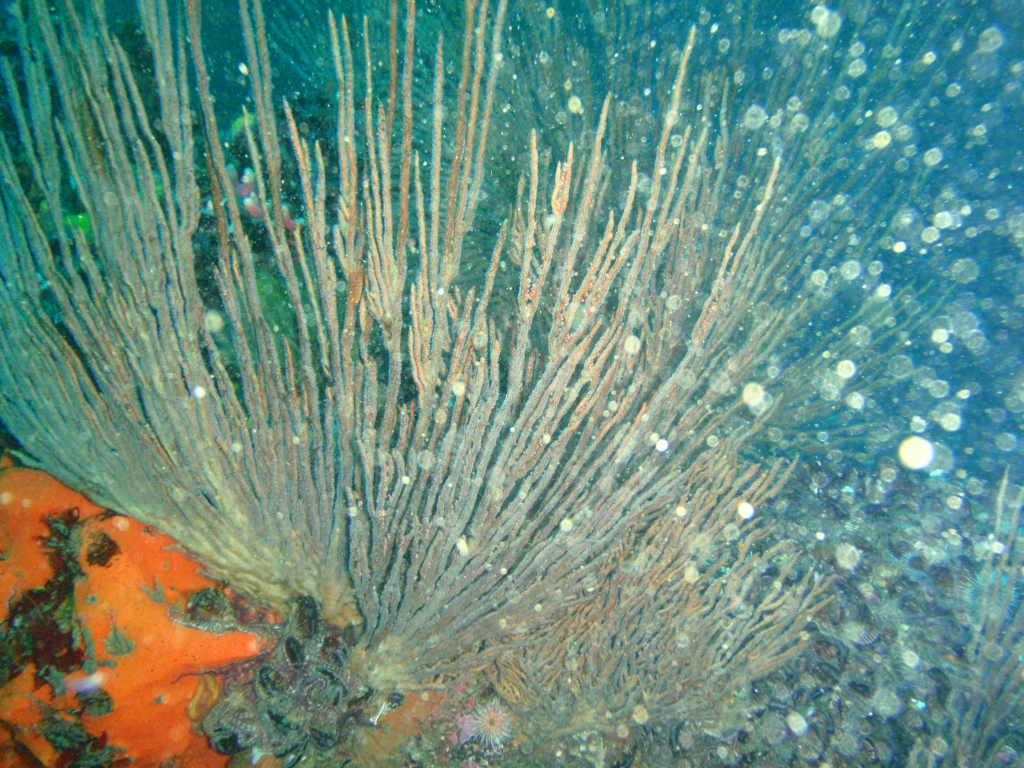
Backscatter refers to the scattering of waves or particles in a direction opposite to the original path of propagation. It is a phenomenon that occurs when waves encounter obstacles, surfaces, or particles that reflect or scatter them back towards their source. In this article, we will delve into the concept of backscatter, its underlying principles, and its diverse applications in various fields.
Understanding Backscatter:
Backscatter occurs when waves or particles encounter an obstruction or interface and are reflected back in the direction of the source. It is a common phenomenon observed in different types of waves, including electromagnetic waves (such as radio waves, microwaves, and light waves), sound waves, and even particles like electrons or neutrons.
The Principles of Backscatter:
The backscatter phenomenon is governed by the principles of wave interaction and reflection. When waves encounter an interface or an object, some of the energy is absorbed, transmitted through the material, and some is reflected. Backscatter specifically refers to the portion of the waves that are reflected backward, opposite to the direction of the incident waves.
Applications of Backscatter:
- Radar Technology: Backscatter is extensively used in radar systems, which rely on the detection of reflected electromagnetic waves. Radar systems emit radio waves and analyze the backscattered signals to detect and identify objects such as aircraft, ships, weather patterns, and even distant celestial objects. The analysis of the time delay, frequency shift, and intensity of the backscattered signals provides valuable information about the properties and location of the targets.
- Sonar Systems: Backscatter is crucial in underwater acoustics and sonar systems. Sonar devices emit sound waves into water and analyze the backscattered signals to map the underwater environment, detect underwater objects, and study marine life. By analyzing the time delay, intensity, and frequency of the backscattered sound waves, information about the composition, depth, and shape of underwater objects can be obtained.
- Medical Imaging: Backscatter is utilized in various medical imaging techniques, such as ultrasound and echocardiography. Ultrasound devices emit high-frequency sound waves into the body, and the echoes or backscattered waves are used to create images of internal organs, tissues, and structures. By analyzing the intensity and time delay of the backscattered waves, detailed images can be generated for diagnostic purposes.
- Non-Destructive Testing: Backscatter is employed in non-destructive testing methods, where it is used to assess the integrity, quality, and composition of materials without causing damage. Techniques such as X-ray backscatter, gamma-ray backscatter, and neutron backscatter are used to inspect objects, analyze their internal structure, and identify any defects or abnormalities.
- Environmental Monitoring: Backscatter technology is utilized in environmental monitoring and remote sensing applications. Satellite-based systems, such as Synthetic Aperture Radar (SAR), use backscattered microwave signals to monitor changes in land cover, vegetation, ice formations, and ocean currents. These systems provide valuable data for studying climate patterns, environmental changes, and natural disasters.
Take Away Points:
Backscatter is a fundamental phenomenon that involves the reflection of waves or particles back towards their source. It has diverse applications in fields like radar technology, sonar systems, medical imaging, non-destructive testing, and environmental monitoring. Understanding the principles of backscatter and harnessing its applications allows us to obtain valuable information about objects, environments, and structures, contributing to scientific advancements, technological innovations, and improved understanding of the world around us.
You May Also Like
- How Plastic Pollution Is Choking Our Oceans And 12 Real Ways You Can Fix It

- 2025 Outlook: Top Global Trends Shaping the Future of Tech, Lifestyle, Sustainability and Culture

- 10 Eco-Friendly Gift Ideas for People Who Care About the Planet

- Audiobooks vs E-books: Which Is More Eco-Friendly?

- Why Audiobooks Are the Most Sustainable Way to Learn


 Decoding Biosphere