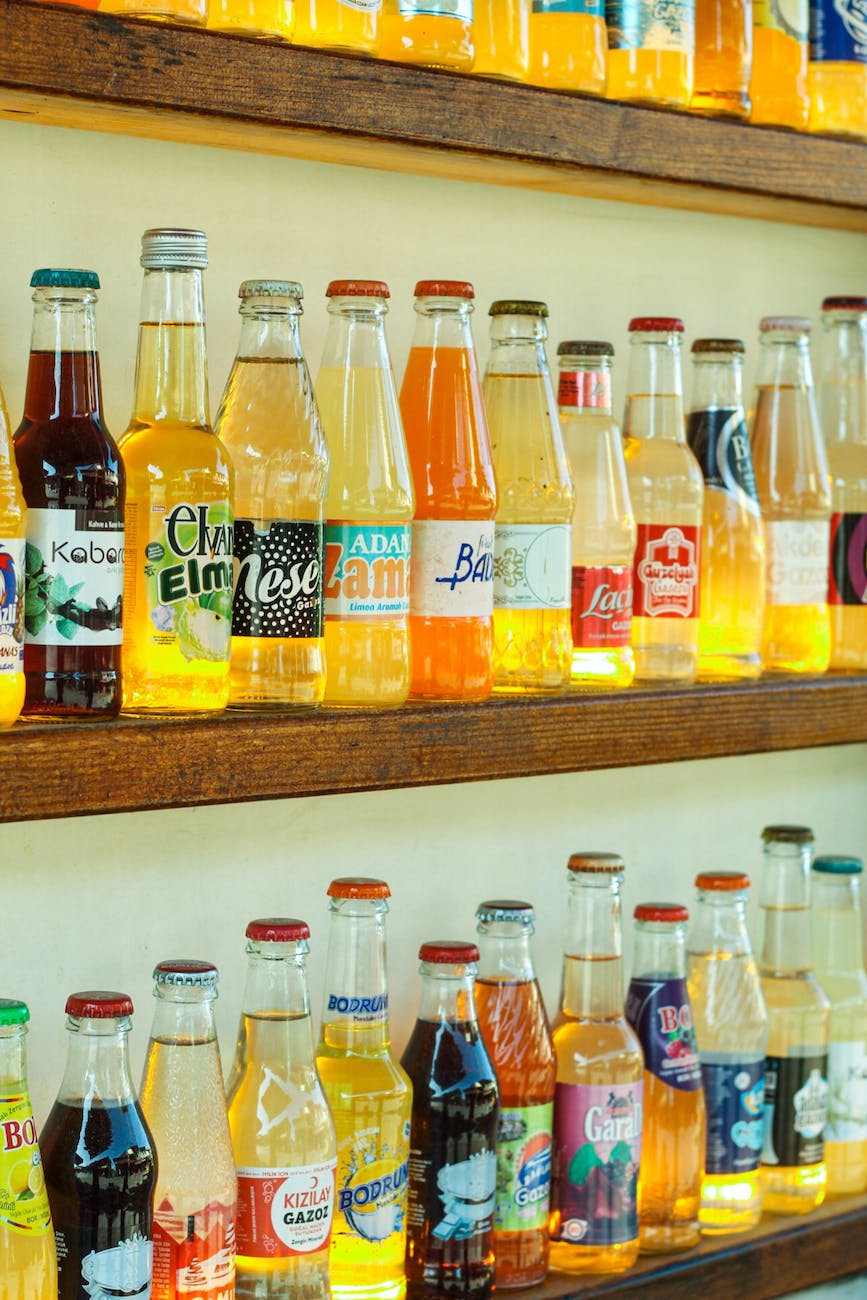
Exploring the Environmental Benefits of Glass Packaging

When you think of glass, you might imagine sparkling windows or beautiful glassware. But did you know that glass is also used as a sustainable packaging material? Glass packaging has been around for centuries and has proven to be a popular choice for preserving food and beverages. In this article, we’ll explore the sustainability of glass and why it’s considered an eco-friendly choice for packaging.
What is Glass?
Glass is a solid material that is made by heating a mixture of silica, soda ash, and limestone to a high temperature until it melts and then cools down to form a rigid structure. It is a non-crystalline amorphous solid, which means its atoms are not arranged in a regular pattern like those of a crystal. This unique atomic structure gives glass its transparent and translucent properties.
Sustainability of Glass Packaging:
- Renewable and Abundant Raw Materials: The primary raw materials used to make glass – silica, soda ash, and limestone – are abundant and easily accessible in nature. Silica, the main component of glass, is derived from sand, which is one of the most abundant natural resources on Earth. This makes glass a renewable and sustainable material choice.
- Recyclable: One of the most significant sustainability benefits of glass is its recyclability. Glass can be recycled indefinitely without losing its quality or purity. When glass is recycled, it is crushed into cullet (small, pebble-sized pieces), melted, and then formed into new glass products. Recycling glass saves energy and reduces the need for raw materials, making it an eco-friendly choice.
- Minimal Environmental Impact: The production of glass has a relatively low environmental impact compared to some other packaging materials. The use of natural raw materials and a simple production process helps minimize the carbon footprint of glass manufacturing.
- Non-Toxic and Safe: Glass is inert and non-reactive, which means it does not release harmful chemicals or leach into food or beverages. Unlike some other packaging materials, glass does not contaminate its contents, ensuring the safety and purity of the products it holds.
- UV Protection: Glass provides excellent protection against ultraviolet (UV) light, which can degrade the quality and freshness of food and beverages. The UV-resistant properties of glass help extend the shelf life of products without the need for additional chemical preservatives.
- Reusability: Glass packaging can be reused for various purposes, making it a sustainable choice. Glass jars and bottles can be repurposed for storage, crafts, or DIY projects, reducing waste and extending their lifespan.
- Aesthetic Appeal: Glass packaging’s timeless and elegant appearance makes it an attractive choice for consumers. People often choose glass containers for their aesthetic appeal and the sense of luxury they bring, which can lead to increased brand loyalty and reusability.
Potential Challenges and Considerations:
While glass packaging offers many environmental benefits, it’s essential to consider some potential challenges and areas for improvement:
- Weight and Transportation: Glass is heavier than other packaging materials like plastic, which can increase transportation costs and carbon emissions. However, its recyclability helps offset these environmental impacts to some extent.
- Fragility: Glass packaging can break easily if mishandled, leading to potential product loss and waste. Proper handling and recycling efforts can help address this issue.
- Energy Consumption: The high temperature required to melt glass during production consumes significant energy. Using renewable energy sources or more energy-efficient production methods can help reduce the environmental impact.
Final Notes:
Glass packaging is a sustainable and eco-friendly choice for preserving food and beverages. Its renewable raw materials, recyclability, and minimal environmental impact make it a preferred option for environmentally conscious consumers and businesses. The non-toxic and safe properties of glass, along with its UV protection capabilities, contribute to maintaining the quality and freshness of products without the need for added preservatives. While glass packaging may have some challenges, such as weight and fragility, its overall environmental benefits make it a shining example of a sustainable and responsible packaging material.
Some FAQs
Q: Is glass a sustainable material?
A: Yes, glass is considered a sustainable material. It is made from abundant and natural raw materials, such as sand, soda ash, and limestone, which are readily available in nature.
Q: How is glass sustainable compared to other packaging materials?
A: Glass is sustainable compared to other packaging materials because it is 100% recyclable without any loss in quality. It can be recycled indefinitely, reducing the need for virgin raw materials and saving energy.
Q: Does glass production have a low environmental impact?
A: Glass production has a relatively low environmental impact compared to other materials. The use of natural raw materials and a straightforward manufacturing process helps minimize carbon emissions and pollution.
Q: Can glass packaging help reduce plastic waste?
A: Yes, glass packaging can help reduce plastic waste. By choosing glass containers over single-use plastic bottles or containers, consumers can contribute to reducing plastic pollution and its impact on the environment.
Q: Is glass safer for food and beverages compared to other materials?
A: Yes, glass is a safe and inert material for food and beverage storage. It does not release harmful chemicals or leach into the contents, ensuring the safety and purity of the products it holds.
Q: Can glass be recycled indefinitely?
A: Yes, glass can be recycled indefinitely without losing its quality or purity. Recycling glass saves energy and reduces the need for raw materials, making it an eco-friendly choice.
Q: What happens to recycled glass?
A: Recycled glass, also known as cullet, is crushed into small pieces and melted in a furnace. It is then molded into new glass products, such as bottles, jars, and containers.
Q: Does recycling glass save energy?
A: Yes, recycling glass saves energy. The production of new glass from recycled glass requires less energy compared to using raw materials from scratch.
Q: Can glass recycling reduce greenhouse gas emissions?
A: Yes, glass recycling can help reduce greenhouse gas emissions. When glass is recycled, it reduces the need for energy-intensive production processes, resulting in lower carbon emissions.
Q: Is glass an eco-friendly choice for sustainable packaging?
A: Yes, glass is considered an eco-friendly choice for sustainable packaging due to its recyclability, non-toxic properties, and long lifespan, making it a preferred option for environmentally conscious consumers and businesses.
You May also Like

 Decoding Biosphere