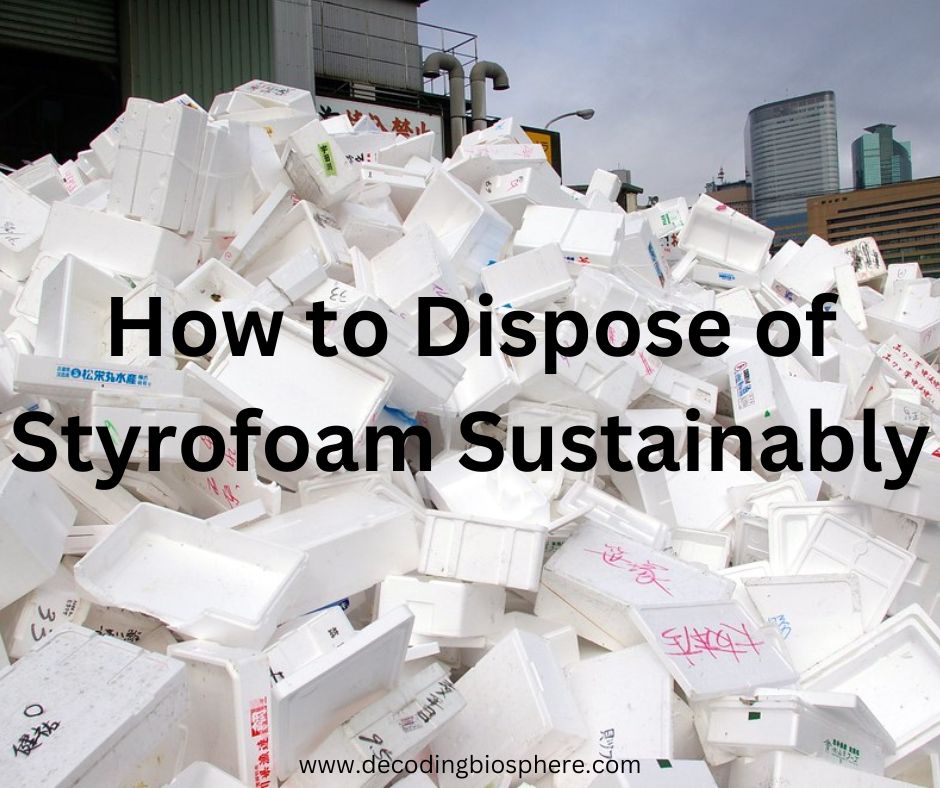
Styrofoam, also known as expanded polystyrene (EPS), is a lightweight and versatile material commonly used for packaging, insulation, and various consumer products. Despite its convenience, Styrofoam poses significant environmental challenges due to its non-biodegradable nature and difficulty in recycling. This guide aims to provide detailed, sustainable methods for disposing of Styrofoam, ensuring minimal environmental impact and promoting eco-friendly practices.
Why Proper Disposal of Styrofoam Matters
Environmental Concerns
Styrofoam is notorious for its environmental impact:
- Non-Biodegradable: Styrofoam can take hundreds to thousands of years to decompose in landfills, contributing to long-term environmental pollution.
- Marine Pollution: When improperly disposed of, Styrofoam often ends up in oceans, harming marine life and ecosystems.
- Resource Intensive: The production of Styrofoam requires significant amounts of fossil fuels, contributing to greenhouse gas emissions and resource depletion.
Health Risks
Styrofoam can pose health risks:
- Chemical Leaching: Styrofoam can leach harmful chemicals, such as styrene and benzene, into food and beverages, posing health risks to humans.
- Air Pollution: Burning Styrofoam releases toxic fumes and pollutants into the air, affecting air quality and human health.
Steps to Dispose of Styrofoam Sustainably
1. Reduce and Reuse
The most sustainable way to manage Styrofoam waste is to reduce its use and find ways to reuse it.
How to Reduce Styrofoam Use
- Choose Alternatives: Opt for eco-friendly alternatives like biodegradable packaging, reusable containers, and materials like cardboard or paper.
- Buy in Bulk: Purchase products in bulk to minimize packaging waste.
- Support Companies: Choose to support businesses that use sustainable packaging and reduce reliance on Styrofoam.
How to Reuse Styrofoam
- Packaging Material: Reuse Styrofoam for packaging and cushioning fragile items during shipping or storage.
- Insulation: Use Styrofoam sheets for insulation in DIY home projects.
- Craft Projects: Incorporate Styrofoam into art and craft projects, such as creating models, decorations, or school projects.
- Gardening: Break Styrofoam into small pieces to use as drainage material in plant pots.
2. Recycling Styrofoam
Recycling Styrofoam is challenging but possible. It requires special facilities equipped to handle EPS recycling.
How to Recycle Styrofoam
- Locate Recycling Centers: Use online resources like Earth911 or contact local waste management services to find recycling centers that accept Styrofoam.
- Clean and Sort: Ensure Styrofoam is clean and free of contaminants like food residue, tape, or labels. Sort it according to recycling center requirements.
- Drop-off or Mail-in Programs: Some recycling centers offer drop-off or mail-in programs for Styrofoam. Check the center’s guidelines and follow their instructions for packaging and shipping.
- Community Programs: Participate in community recycling programs or events that collect and recycle Styrofoam.
3. Creative Upcycling
Upcycling Styrofoam involves transforming it into new, useful items, reducing waste and promoting creativity.
How to Upcycle Styrofoam
- Home Décor: Create decorative items such as picture frames, wall art, or holiday ornaments.
- Organizers: Make organizers for desks, drawers, or closets using Styrofoam pieces.
- Toys and Models: Build toys, models, or educational tools for children.
- Outdoor Projects: Use Styrofoam for outdoor projects like garden decorations or as lightweight fillers in concrete for planters.
4. Proper Disposal
If reducing, reusing, recycling, or upcycling are not viable options, proper disposal is essential to minimize environmental impact.
How to Dispose of Styrofoam Properly
- Break it Down: Break Styrofoam into smaller pieces to reduce volume and make disposal easier.
- Bag it: Place broken pieces in a clear, labeled bag to prevent them from scattering and becoming litter.
- Dispose in Trash: Dispose of the bagged Styrofoam in your regular trash. Follow local waste disposal regulations to ensure proper handling.
- Avoid Burning: Never burn Styrofoam, as it releases toxic chemicals and pollutants into the air.
Community and Corporate Initiatives
Community Involvement
Engaging in community initiatives can help promote sustainable disposal practices for Styrofoam.
How to Get Involved
- Organize Cleanups: Participate in or organize community cleanups to collect Styrofoam litter from public spaces and waterways.
- Educate Others: Raise awareness about the environmental impact of Styrofoam and promote sustainable disposal methods through workshops, social media, or local events.
- Advocate for Change: Advocate for local policies and regulations that reduce Styrofoam use and improve recycling infrastructure.
Corporate Responsibility
Businesses and corporations play a crucial role in reducing Styrofoam waste.
How Businesses Can Help
- Sustainable Packaging: Adopt sustainable packaging solutions, such as biodegradable materials or recyclable alternatives to Styrofoam.
- Recycling Programs: Implement recycling programs within the organization and encourage employees to participate.
- Supplier Partnerships: Partner with suppliers who prioritize eco-friendly packaging and sustainable practices.
- Corporate Social Responsibility (CSR): Include environmental sustainability in CSR initiatives, focusing on reducing Styrofoam waste and promoting recycling.
Innovations in Styrofoam Disposal
Technological Advancements
Advancements in technology are paving the way for more efficient Styrofoam disposal methods.
Innovations in Recycling
- Thermal Densification: This process involves melting Styrofoam into a dense, compact material that can be more easily transported and recycled.
- Chemical Recycling: Researchers are developing methods to break down Styrofoam into its chemical components for reuse in new products.
- Biodegradable Alternatives: Innovations in biodegradable materials aim to replace Styrofoam with eco-friendly alternatives that decompose naturally.
Government Policies
Government policies and regulations can drive sustainable disposal practices for Styrofoam.
Examples of Effective Policies
- Bans on Styrofoam: Some cities and countries have implemented bans on Styrofoam products, encouraging the use of sustainable alternatives.
- Incentives for Recycling: Governments can provide incentives for businesses and individuals to recycle Styrofoam, such as tax breaks or grants for recycling programs.
- Extended Producer Responsibility (EPR): EPR policies hold manufacturers accountable for the entire lifecycle of their products, including disposal and recycling.
Personal Responsibility
Individuals can make a significant impact by adopting sustainable practices for Styrofoam disposal.
Steps for Personal Responsibility
- Reduce Consumption: Limit the use of Styrofoam products and choose eco-friendly alternatives whenever possible.
- Educate Yourself: Stay informed about sustainable disposal methods and local recycling options for Styrofoam.
- Spread Awareness: Share knowledge and promote sustainable practices within your community, workplace, and social circles.
Final Words
Disposing of Styrofoam sustainably is essential for protecting the environment and reducing pollution. By reducing use, reusing, recycling, upcycling, and properly disposing of Styrofoam, we can minimize its impact on our planet. Community involvement, corporate responsibility, and technological advancements play crucial roles in promoting sustainable disposal practices.

 Decoding Biosphere