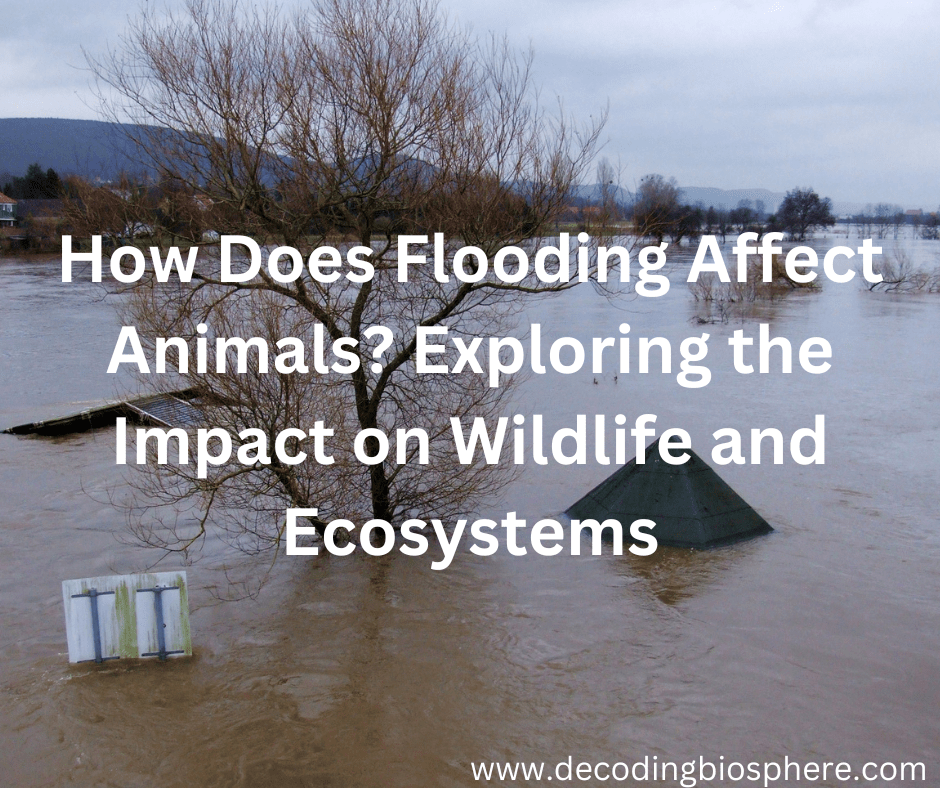

Flooding is a natural disaster that can have a profound impact on both human populations and the environment. While the focus is often on the human consequences, it is crucial to recognize the effects of flooding on animals and ecosystems. Floods can disrupt habitats, alter food availability, and pose direct threats to the survival of wildlife. In this article, we will explore in detail how flooding affects animals and the long-term implications for ecosystems.
- Displacement and Habitat Loss: One of the most immediate and visible impacts of flooding on animals is the displacement and loss of habitat. Floodwaters force many species to flee their regular habitats in search of higher ground. This displacement can disrupt their normal behaviors, such as nesting, breeding, and foraging, and lead to increased stress levels and reduced reproductive success. Additionally, when floodwaters recede, the once-flooded areas may undergo changes in vegetation and soil composition, further affecting the suitability of the habitat for returning species.
- Mortality and Injury: During floods, animals may become injured, trapped, or even drown. Fast-moving floodwaters can overwhelm smaller animals, while larger animals may struggle to find safe refuge. Additionally, debris carried by floodwaters poses a threat, potentially causing injuries or entanglement. The loss of life during flooding events can have cascading effects on ecosystems, disrupting predator-prey dynamics and altering population sizes.
- Water Contamination and Disease: Floodwaters often carry pollutants, including chemicals, sewage, and agricultural runoff, which contaminate water sources. Animals that rely on these water sources for drinking or hunting can be exposed to toxins and pollutants, leading to illness or even death. Furthermore, stagnant floodwaters can become breeding grounds for disease-carrying insects, increasing the risk of outbreaks among wildlife populations.
- Altered Food Availability: Floods can significantly impact the availability of food for animals. The flooding may wash away or destroy vegetation, reducing the food sources for herbivorous animals. In turn, this can affect the populations of predators that rely on these herbivores as their prey. Additionally, floodwaters may introduce new sources of food, such as displaced insects or fish, which can disrupt the natural balance of ecosystems.
- Fragmentation and Genetic Isolation: Frequent or severe flooding can fragment habitats and isolate populations of animals. This fragmentation hinders the movement and gene flow between populations, increasing the risk of genetic isolation and reducing the overall genetic diversity within a species. Genetic isolation can make populations more vulnerable to disease, reduce their adaptive potential, and increase the likelihood of local extinctions.
- Ecosystem Resilience: Flooding events can have both short-term and long-term effects on ecosystem resilience. While some species may be negatively impacted, flooding can also create new habitats and promote the growth of certain species adapted to these dynamic environments. Floodplains, for example, support unique wetland ecosystems that are crucial for biodiversity. These areas serve as breeding grounds for fish, provide essential stopover sites for migratory birds, and support a variety of plant and animal species adapted to floodplain conditions.
- Ripple Effects on Ecosystem Services: The consequences of flooding on animals can have wider implications for the ecosystem services they provide. For example, the decline in pollinator populations due to flooding can affect plant reproduction and crop yields. Similarly, the loss of certain species that contribute to nutrient cycling or soil health can impact the overall functioning of ecosystems.
In conclusion, flooding has a profound impact on animals and ecosystems. The displacement of wildlife, habitat loss, mortality, water contamination, and altered food availability are among the immediate consequences. Moreover, the long-term effects on genetic diversity, ecosystem resilience, and ecosystem services highlight the importance of understanding and mitigating the impacts of flooding on animal populations. By implementing measures to reduce the frequency and severity of flooding, protecting and restoring habitats, and promoting sustainable land-use practices, we can help safeguard both human and animal communities in flood-prone areas.
-
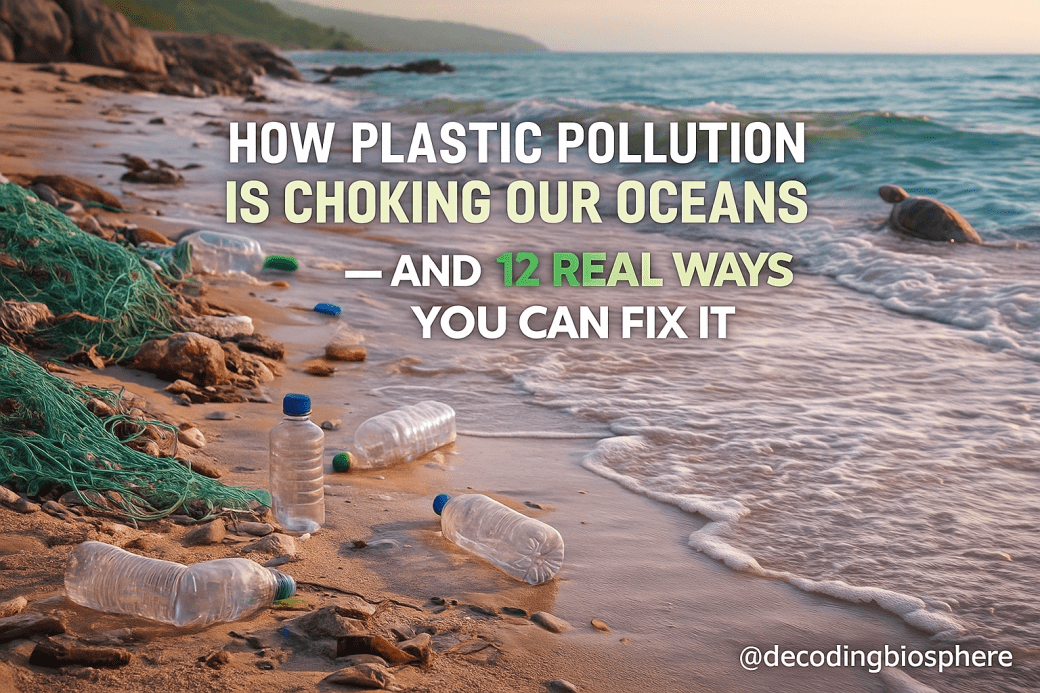
How Plastic Pollution Is Choking Our Oceans And 12 Real Ways You Can Fix It
Plastic pollution is everywhere- from coastlines to food. Learn how plastics harm ecosystems and human health, the latest science, and 12 practical solutions you can start today. Includes infographic & image prompts.
-
2025 Outlook: Top Global Trends Shaping the Future of Tech, Lifestyle, Sustainability and Culture
Explore the most trending global topics of the year including AI, sustainability, future of work, mental well-being, innovation, culture, and future predictions for 2025.
-
10 Eco-Friendly Gift Ideas for People Who Care About the Planet
Discover 10 eco-friendly gifts that combine style, function, and sustainability. Perfect ideas for conscious shoppers — all available on Amazon.

 Decoding Biosphere