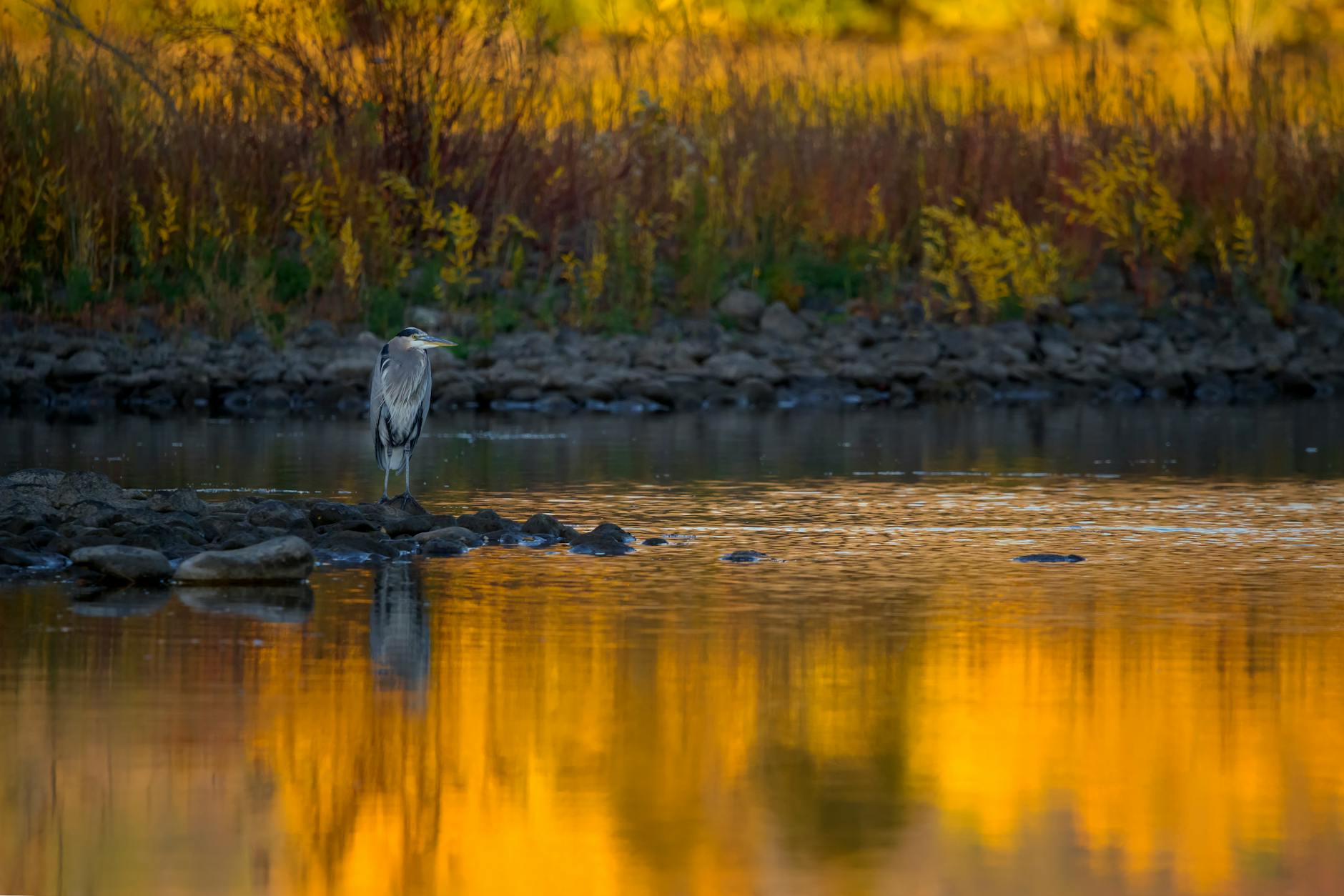
Wetlands are some of the most biodiverse and ecologically important ecosystems on Earth, teeming with life and playing vital roles in water filtration, flood control, and habitat provision. Within these watery landscapes, there is a concept known as zonation that helps in shaping the distribution of plants, animals, and microorganisms.
What is Zonation in Wetlands?
Zonation in wetlands refers to the spatial organization of plant communities and habitat types along gradients of water depth, soil moisture, and other environmental factors. These gradients create distinct zones within wetlands, each characterized by unique vegetation, soil conditions, and wildlife. Zonation in wetlands can occur horizontally, vertically, or temporally, reflecting the dynamic nature of these ecosystems.
Types of Zonation in Wetlands
- Horizontal Zonation: Along the horizontal axis, wetlands exhibit zonation patterns from the center to the periphery or from water to land. For example, in marshes, there may be zones of emergent vegetation, floating vegetation, and submerged vegetation, each adapted to different water depths and hydrological conditions.
- Vertical Zonation: Vertical zonation refers to the layering of vegetation within the water column or soil profile. In shallow wetlands like ponds or swamps, distinct layers of aquatic plants may be present, including emergent plants rooted in the substrate, floating plants at the water surface, and submerged plants rooted in the sediment.
- Temporal Zonation: Temporal zonation involves changes in wetland characteristics over time, such as seasonal fluctuations in water levels, vegetation composition, and wildlife abundance. For instance, wetlands may experience distinct phases of growth, flowering, and senescence as the seasons change, leading to temporal shifts in zonation patterns.
Factors Influencing Zonation in Wetlands
Several factors influence zonation patterns in wetlands, including:
- Hydrology: Water depth, flow velocity, and frequency of inundation play a significant role in shaping wetland zonation. Plant species exhibit varying degrees of tolerance to flooding and waterlogging, leading to the development of distinct hydrological zones within wetlands.
- Soil Characteristics: Soil type, texture, organic content, and nutrient availability influence plant growth and distribution in wetlands. Wetlands with acidic, nutrient-poor soils may support different plant communities than those with neutral, nutrient-rich soils.
- Topography: Wetland topography, including slope, aspect, and elevation, can create microhabitats with unique environmental conditions. Low-lying depressions may accumulate water and support hydrophytic vegetation, while higher elevations may remain dry and support upland plant species.
- Climate: Climate factors such as temperature, precipitation, and evaporation rates influence water availability and hydrological regimes in wetlands. Wetlands in arid regions may experience seasonal droughts and water scarcity, leading to fluctuations in zonation patterns.
Examples of Zonation in Wetlands
- Salt Marshes: Along coastal areas, salt marshes exhibit horizontal zonation patterns from the water’s edge to upland areas. Zones of Spartina grasses, salt-tolerant shrubs, and tidal creeks are characteristic of salt marshes, with vegetation composition influenced by tidal inundation and salinity levels.
- Swamps: In freshwater swamps, vertical zonation is evident with distinct layers of vegetation, including emergent trees, shrubs, and herbaceous plants. Bald cypress trees, for example, may dominate the canopy layer, while ferns and sedges form the understory in the shaded, wetter areas.
- Bogs: Bogs are characterized by acidic, nutrient-poor soils and support specialized plant communities adapted to these conditions. Sphagnum mosses, carnivorous plants, and dwarf shrubs are common in bog ecosystems, with vertical zonation from surface mats of mosses to deeper layers of peat.
Significance of Zonation in Wetlands
Zonation in wetlands plays several crucial roles in ecosystem function and biodiversity:
- Habitat Provision: Zonation creates diverse habitats that support a wide range of plant and animal species, including birds, fish, amphibians, and invertebrates. Each zone provides unique resources and niches for different organisms, contributing to overall wetland biodiversity.
- Water Filtration: Wetland zonation facilitates the filtration and purification of water as it passes through different vegetation zones. Plant roots and microbial communities in wetlands help trap sediments, absorb nutrients, and break down pollutants, improving water quality downstream.
- Flood Control: The vegetation structure and zonation patterns in wetlands play a role in regulating water flow and mitigating flood risk. Wetlands act as natural sponges, absorbing excess water during heavy rainfall events and releasing it slowly over time, reducing the impact of floods on surrounding areas.
- Carbon Sequestration: Wetlands play a vital role in carbon sequestration by storing large amounts of organic matter in the form of peat and biomass. Zonation influences the rates of carbon accumulation and decomposition in wetlands, affecting their role as carbon sinks in the global carbon cycle.
In conclusion, zonation in wetlands is a fascinating phenomenon that shapes the structure, function, and biodiversity of these valuable ecosystems.
You May Also Like

 Decoding Biosphere