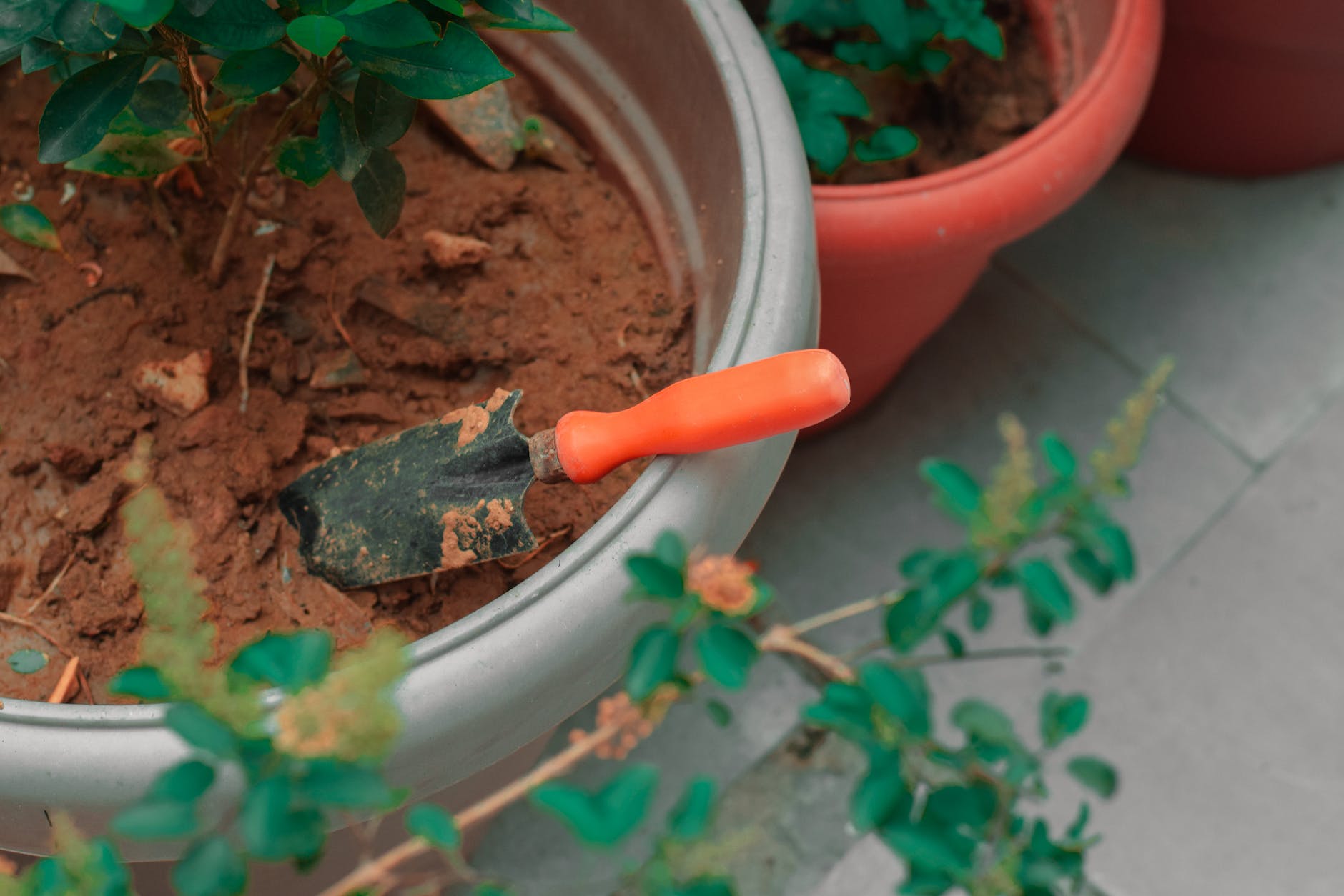

Imagine you have a special plant, and you want to make more of the same kind, like having more roses from your favorite rose plant. Well, there’s a clever way to do it, and it’s called “vegetative propagation.” It’s like making plant clones! Charles Darwin once said, ‘It is not the strongest of the species that survives, nor the most intelligent; it is the one most adaptable to change.’ And in the world of plant propagation, adaptability takes center stage.
In this article, we’re going to explore this plant magic. We’ll learn how to do it, why it’s so useful, and why it matters for our gardens, farms, and even saving special plants. So, let’s discover how we can grow more plants in a smart way!
Techniques of Vegetative Propagation
There are several ways to make new plants without using seeds. Let’s talk about four of these methods: cutting, grafting, layering, and division. Each method has its own special use, and they can help us grow the plants we like and need.
1. Cutting: Making New Plants from Parts
Easy Steps: Cutting is a simple way to make new plants from parts of existing ones. Here’s how it works:
- Pick a Healthy Plant: Find a plant you like and make sure it’s healthy.
- Use the Right Tools: You’ll need sharp, clean scissors or a knife.
- Cut Carefully: Cut a piece of the plant, like a stem or a leaf, at a special spot called a node.
- Trim Leaves: Cut off some of the leaves on the part you want to grow.
- Plant in Special Soil: Put the piece you cut into special soil that helps it grow roots. Keep the soil damp but not too wet.
- Keep It Cozy: Cover the plant with a plastic bag or a cover to keep it warm and humid.
- Give It Light: Put the plant in a place with bright but not direct sunlight.
- Move It When Ready: When you see roots growing, move the plant to a bigger pot or outside.
Cutting is good for lots of plants, like herbs, bushes, and indoor plants. It helps make more plants that are just like the one you started with.
2. Grafting: Mixing Plant Parts
Tools and Tricks: Grafting is a cool way to mix parts of different plants together. This can make a new plant with special features. Here’s what you need to do:
- Choose the Right Parts: Find a healthy bottom part (we call it the rootstock) and a special top part (we call it the scion) from different plants.
- Make the Cut: Cut both parts so they fit together nicely. There are a few ways to do this.
- Tie Them Up: Use special tape or rubber bands to hold the parts together.
- Help It Heal: Keep the plant in a safe place with high humidity until it starts growing.
- Watch Carefully: Keep an eye on the plant to make sure it’s doing well.
Grafting helps us make new plants with the best features from different plants. It’s often used for fruit trees to get tasty fruits.
3. Layering: Growing Roots on the Parent Plant
How It Works: Layering is a neat way to make new plants without separating them from the parent plant. Here’s how you can do it:
- Choose a Healthy Branch: Find a healthy branch on the plant you want to grow.
- Bend the Branch: Gently bend the branch down to the ground or into a pot.
- Make a Little Cut: On the bent part, make a small cut or scrape off a bit of the bark.
- Encourage Root Growth: Cover the cut part with soil and keep it moist. You can use a rock or a small weight to hold it down.
- Wait and Watch: Over time, roots will grow from the cut part into the soil.
- Separate the New Plant: When you see that the new plant has grown roots, you can carefully cut it away from the parent plant and plant it in its own spot.
Layering is handy when you want to make more of a plant that’s hard to grow from cuttings or when you don’t want to disturb the parent plant.
4. Division: Splitting Plants Like Bulbs and Tubers
How It’s Done: Division is a simple way to make new plants from those that grow in clusters, like bulbs and tubers. Here’s what you need to do:
- Dig Up the Plant: Carefully dig up the plant you want to divide.
- Find the Sections: Look for natural divisions or use a knife to cut the plant into smaller sections.
- Plant the New Parts: Replant the sections you’ve separated into their own spots. Make sure to give them enough space to grow.
- Water and Wait: Keep the new sections well-watered and wait for them to grow on their own.
Division helps us make more plants quickly from things like daffodil bulbs or potato tubers. It’s an easy way to spread plants around your garden.
So, these are some cool ways we can make new plants without using seeds. You can try these methods at home to grow more of your favorite plants or share them with friends and family. It’s like nature’s magic trick!
Applications and Benefits
Let’s see how growing plants without seeds helps us in big farms, makes our gardens beautiful, and saves special plants.
1. Agriculture: Growing Lots of Food
In farming, we want to grow a whole bunch of fruits, vegetables, and other foods. Using vegetative propagation helps us do this faster and better. Here’s how:
- More Plants, More Food: We can make lots of new plants that are exactly like the good ones we have. This means more yummy food for us to eat.
- Stronger Plants: The new plants are usually strong and healthy because they’re just like their parent plants.
- Less Waiting: We don’t have to wait for seeds to grow into big plants. We can plant the new ones right away.
So, vegetative propagation helps farmers get more food to our tables quicker and easier.

2. Horticulture: Making Gardens Beautiful
People love to make their gardens look pretty with flowers and special plants. Vegetative propagation helps a lot in gardening. Here’s why:
- Faster Flowers: If you want more of your favorite flowers, you can use vegetative propagation to make new ones quickly.
- Keeping Special Plants: Some plants are hard to find, but you can keep them alive by making more with this method.
- Same Pretty Colors: The new plants look just like the old ones, so you can keep the same pretty colors in your garden.
This means our gardens can be full of beautiful flowers and special plants thanks to vegetative propagation.
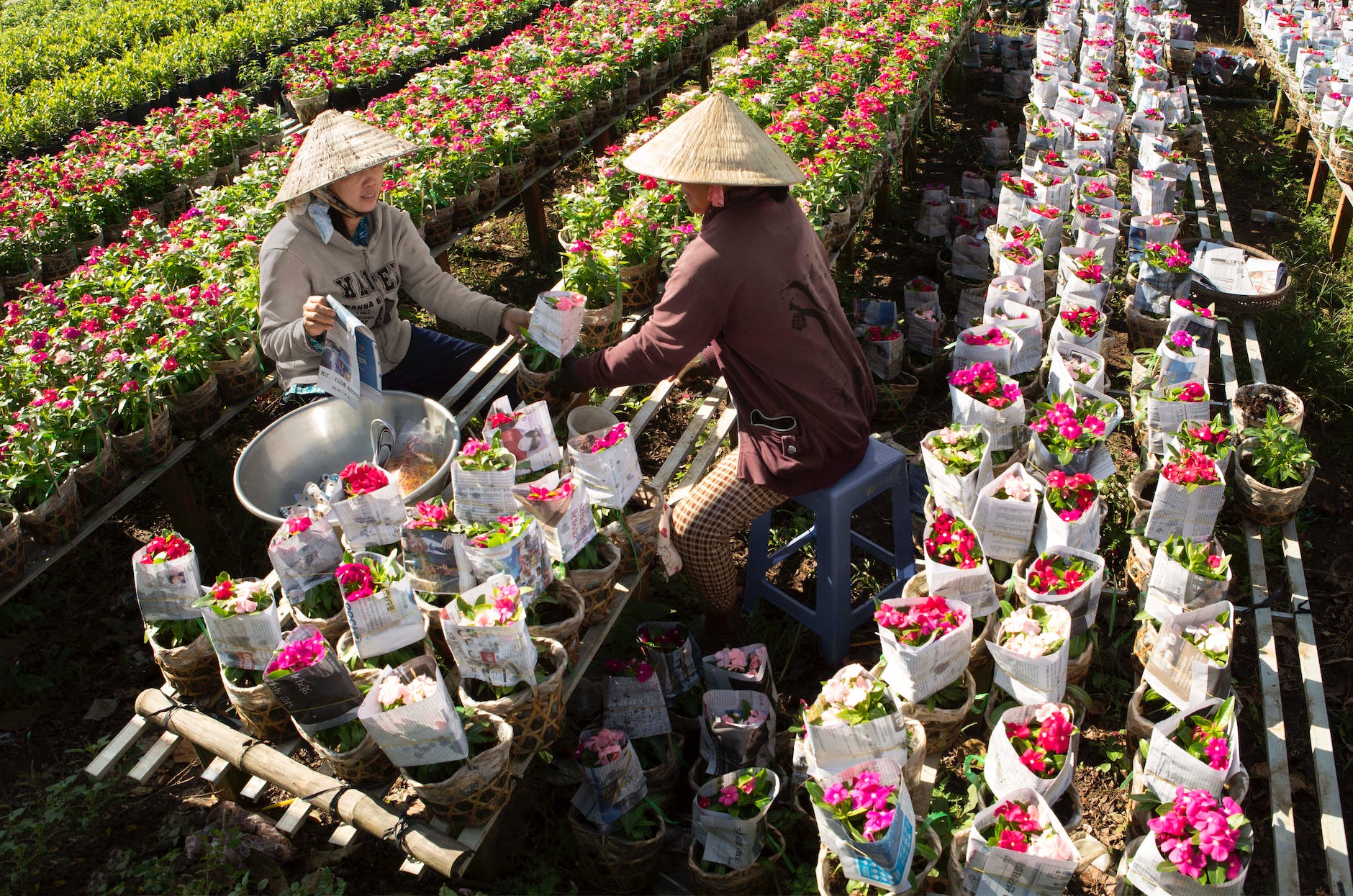
3. Conservation: Saving Special Plants
Some plants are very rare and might disappear if we don’t take care of them. Vegetative propagation helps us save these plants. Here’s how:
- Making More: We can make more of the rare plants, even if there are only a few left.
- Safe Keeping: Botanists and plant lovers use this method to keep special plants safe in gardens and greenhouses.
- Keeping Diversity: We can make sure we don’t lose different types of plants, which is important for our environment.
So, vegetative propagation is like a superhero for rare and endangered plants, helping us keep them around for a long time.
Challenges and What We Need to Think About
While making new plants using vegetative propagation is pretty cool, there are some things we need to be careful about.
1. Disease Transmission: Passing on Sickness
Sometimes, when we make new plants, we can accidentally pass on diseases too. Just like people can get sick, plants can get sick too. Here’s what we should do:
- Start with Healthy Plants: The first step is to use healthy parent plants. Healthy parents usually make healthy babies.
- Clean Tools: Make sure the scissors, knives, or other tools we use are clean and germ-free.
- Check for Problems: Keep an eye out for any signs of disease in our plants, like spots or weird colors.
- Separate Sick Ones: If we see a plant is sick, we should keep it away from the healthy ones.
By being careful, we can reduce the chances of spreading plant diseases when we use vegetative propagation.
2. Genetic Uniformity: All Twins, No Differences
One thing we need to remember is that when we make new plants this way, they’re like twins – almost exactly the same. This is great if we want more of the same kind, but it can be a problem too:
- Less Variety: Having all the same plants means we have less variety in our gardens and farms.
- Trouble Adapting: When something in the environment changes, like the weather or pests, it can be harder for all the plants to adapt because they’re so similar.
To fix this, we should also plant seeds sometimes. Seeds give us new plants with a mix of different traits, which can be good for the garden.
3. Environmental Impact: Taking Care of Nature
Lastly, we should think about how making new plants this way affects our planet. Here’s what we need to consider:
- Sustainability: We should make sure we’re not using up all our resources, like soil and water, too quickly.
- Waste Reduction: Sometimes, we use a lot of plastic and other materials to help the new plants grow. We need to find ways to reduce waste.
- Native Plants: It’s important to grow plants that belong to the place where we live. This helps the local environment and the animals that live there.
So, while vegetative propagation is great for making more plants, we should be careful not to harm the environment in the process.
Tips for Successful Vegetative Propagation
Making new plants with vegetative propagation can be fun and rewarding, but it’s important to do it right. Here are some tips to help you succeed:
1. Preparation: Getting Ready to Grow
- Choose Healthy Plants: Start with strong, healthy parent plants. They’ll give you the best chance of success.
- Use the Right Tools: Make sure your cutting tools are sharp and clean. This helps prevent damage to the plants and reduces the risk of disease spreading.
- Pick the Right Time: Propagate during the plant’s active growing season. This is usually spring or early summer for many plants.
- Know Your Plant: Different plants may require different propagation methods. Learn about the specific needs of the plant you want to propagate.
2. Care: Take Good Care of Your Baby Plants
- Keep Them Warm and Humid: New cuttings or plants need a cozy environment with high humidity. You can use plastic bags, a propagator, or a misting system to create the right conditions.
- Water Wisely: Keep the soil or rooting medium consistently moist, but avoid overwatering, which can lead to rot.
- Provide Adequate Light: Place your growing plants in a spot with bright, indirect sunlight. Avoid direct sunlight, which can harm delicate new growth.
- Fertilize Sparingly: Too much fertilizer can be harmful to young plants. Use a diluted, balanced fertilizer and apply it sparingly.
3. Troubleshooting: Fixing Common Problems
- Yellowing Leaves: If the leaves turn yellow, it might be a sign of overwatering or poor drainage. Allow the soil to dry slightly before watering again.
- Wilting: Wilting can be caused by underwatering or excessive heat. Keep the soil consistently moist and provide shade if it’s too hot.
- No Root Growth: If you don’t see any roots after a while, check your cutting’s rooting hormone, rooting medium, or the cutting technique. Some plants may take longer to root than others.
- Disease or Rot: If you notice signs of disease or rot, such as black spots or mushy stems, remove the affected parts immediately to prevent it from spreading.
Remember, practice makes perfect. Don’t be discouraged if you don’t succeed the first time.
Conclusion: Growing Plants the Smart Way
In closing, let’s recap what we’ve learned about vegetative propagation and why it’s such a valuable tool in the world of plants.
We’ve seen that vegetative propagation is a fantastic way to make more plants without using seeds. It’s like magic, helping us create exact copies of our favorite plants and pass down their best traits. We explored various techniques like cutting, grafting, layering, and division, each with its unique applications.
Vegetative propagation is like a superhero for farmers, gardeners, and conservationists. In agriculture, it speeds up food production, while in horticulture, it lets us fill our gardens with beautiful blooms and unique plants. In the world of conservation, it’s a lifeline for saving rare and endangered species.
So, what can you do? We encourage you to roll up your sleeves and give it a try! Experiment with different propagation techniques, discover the joys of creating life from cuttings, and watch your garden thrive.
Remember, while vegetative propagation is powerful, it also comes with responsibilities. Be mindful of disease transmission, strive for genetic diversity, and consider the environmental impact.
Additional Resources:
If you’re eager to learn more or need guidance on specific plant species, here are some resources to explore:
- The Royal Horticultural Society (RHS): An excellent source for gardening tips, including vegetative propagation techniques.
- Botanical Gardens and Arboreta: Visit your local botanical garden or arboretum to gain hands-on experience and expert guidance.
- Books on Plant Propagation: Check out books on plant propagation techniques for in-depth knowledge.
- Online Gardening Forums: Engage with a community of fellow gardeners and propagators to exchange ideas and troubleshoot issues.
You Will Also Like

 Decoding Biosphere