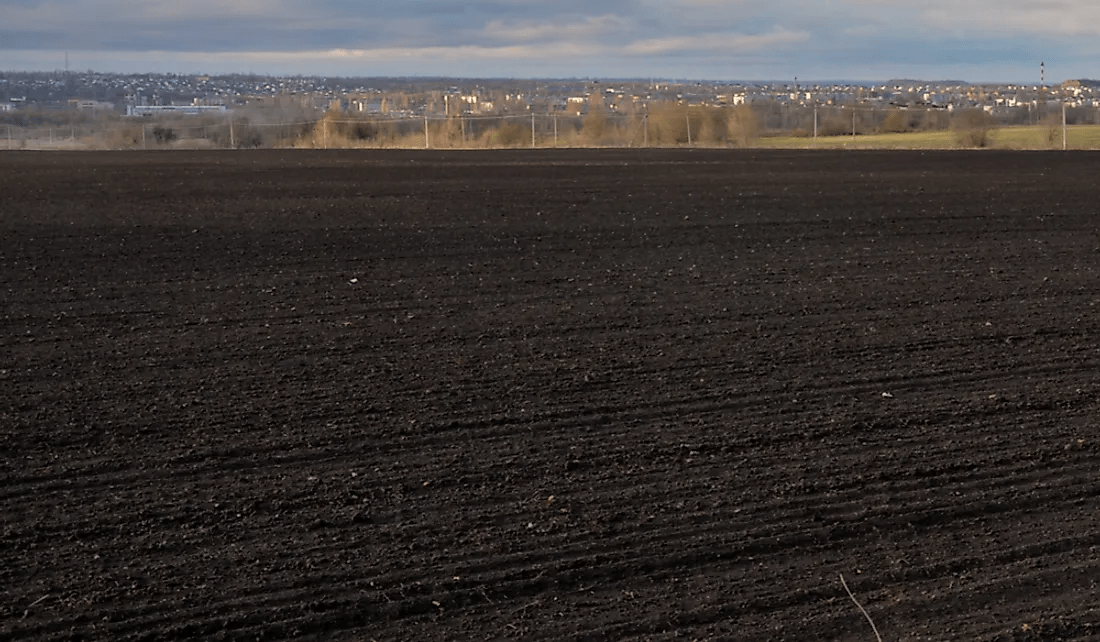
When it comes to productive and nutrient-rich soils, chernozem takes center stage. This remarkable soil type, also known as “black soil,” has played a pivotal role in supporting agriculture for centuries. Its unique characteristics make it highly fertile and well-suited for cultivating a wide range of crops. In this article, we look into the origins, composition, and geographical distribution of chernozem, exploring its significance in sustaining agricultural productivity.
Origins and Formation:
Chernozem is formed due to the combination of natural factors and climatic conditions. Over long periods of time, the accumulation of organic matter, mineral components, and biological activities has contributed to its distinctive properties. The development of chernozem is influenced by the factors like climate, vegetation, parent material, and topography.
Composition and Characteristics:
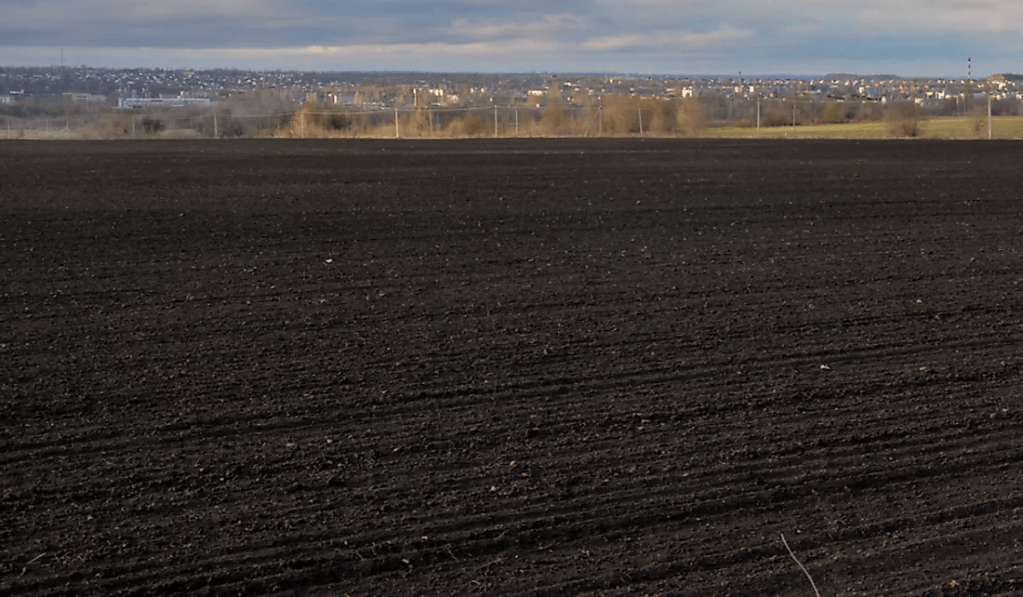
Chernozem is characterized by its deep, dark color, which is often a result of a high content of organic matter. This organic matter, derived from decaying plant and animal residues, enriches the soil with essential nutrients and enhances its ability to retain moisture. Chernozem is also renowned for its excellent soil structure, with a crumbly texture that promotes root penetration and allows for good aeration.
Fertility and Agricultural Significance:
The exceptional fertility of chernozem is a key factor behind its importance in agriculture. It is rich in essential nutrients, such as nitrogen, phosphorus, and potassium, which are vital for plant growth and productivity. The soil’s high organic matter content improves nutrient retention, moisture holding capacity, and promotes favorable microbial activity. These attributes make chernozem particularly suitable for cultivating a wide variety of crops, including grains, vegetables, and fruits.
Geographical Distribution:
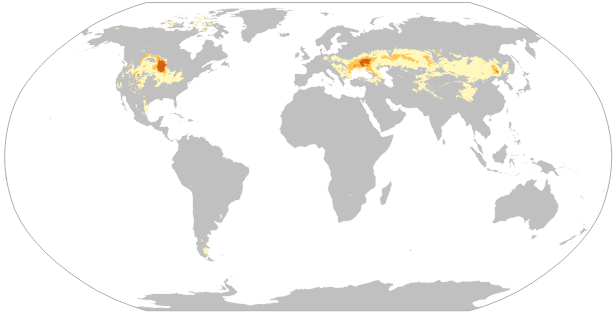
Chernozem soils are found in various regions around the world, with significant concentrations in specific areas. One of the most well-known and extensive chernozem belts is located in the Eurasian Steppes, spanning across countries such as Ukraine, Russia, and Kazakhstan. Chernozem can also be found in other parts of the world, including the Canadian Prairies, the United States Great Plains, Argentina, and Australia.
Environmental Challenges and Conservation:
Despite its fertility, chernozem faces certain environmental challenges. Unsustainable agricultural practices, such as excessive tillage and improper soil management, can lead to erosion and degradation of this valuable resource. Recognizing the importance of conserving chernozem, efforts are being made to promote sustainable farming techniques, including conservation tillage, crop rotation, and the use of organic fertilizers. These practices help maintain the integrity and fertility of chernozem, ensuring its long-term viability for agricultural purposes.
Chernozem, the black soil, is a precious resource that has supported agricultural productivity for centuries. Its exceptional fertility, rich nutrient content, and favorable physical properties make it a highly suitable soil type for cultivation.
You May Also like

 Decoding Biosphere
