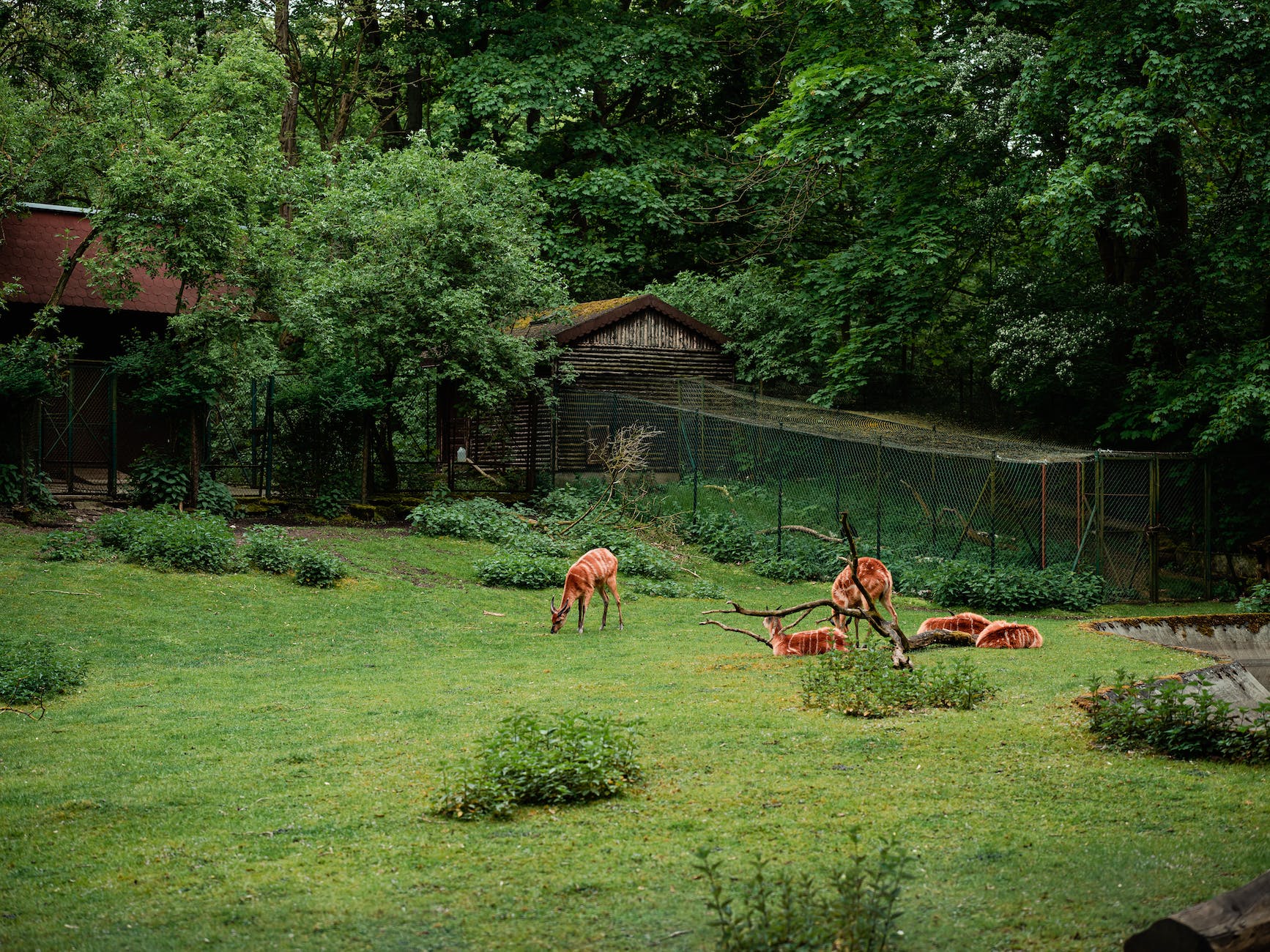
Captive breeding programs play a vital role in safeguarding endangered species and ensuring their survival for future generations. These programs, implemented in zoos and other facilities, aim to build healthy populations of animals through coordinated efforts and genetic diversity. In this article, we will explore the captive breeding, its purpose and the pros and cons.
Understanding Captive Breeding
Captive breeding involves breeding and raising animals in controlled environments, such as zoos or breeding facilities, with the primary objective of conserving endangered species and maintaining sustainable populations. By providing a safe haven away from the threats faced in the wild, captive breeding programs offer a lifeline to species on the brink of extinction.
The Process of Captive Breeding:
- Selecting Healthy Individuals: Captive breeding programs begin with the selection of healthy individuals that exhibit genetic diversity and possess desirable traits for the species’ long-term survival. Experts consider factors such as age, reproductive health, and genetic compatibility to ensure the success of breeding pairs.
- Creating Suitable Habitats: Creating suitable habitats within captivity is crucial to mimic the natural conditions required for breeding success. These habitats must provide appropriate food, shelter, and environmental enrichment to ensure the physical and psychological well-being of the captive animals.
- Breeding and Care: Conservationists closely monitor breeding pairs and provide optimal conditions to encourage successful reproduction. This may involve controlling temperature, lighting, and nutrition. Additionally, veterinary care, regular check-ups, and specialized diets are provided to ensure the health of the captive individuals.
- Reintroduction Efforts: The ultimate goal of captive breeding programs is to reintroduce individuals back into their natural habitats, once conditions are favorable for their survival. This process involves careful planning, monitoring, and gradual acclimatization to increase the chances of successful reintegration into the wild.
Pros of Captive Breeding
Captive breeding programs bring valuable benefits to the preservation of endangered species. Some of the notable advantages include:
- Preventing Extinction: Captive breeding saves animals from the brink of extinction by increasing their populations and reducing the risk of genetic bottlenecks.
- Protection from Threats: Animals bred in captivity are shielded from natural predators, habitat loss, and other dangers they would encounter in the wild.
- Improved Living Conditions: Zoos and public aquariums serve as educational platforms that not only provide a safe environment for animals but also prioritize their well-being.
Cons of Captive Breeding
While captive breeding programs have numerous benefits, there are also valid concerns associated with this practice. It is important to consider these potential drawbacks:
- Genetic Diversity: Maintaining a diverse gene pool is crucial for the long-term survival of endangered species. Inbreeding, a potential consequence of captive breeding, can lead to reduced genetic diversity and increased susceptibility to diseases.
- Reintroduction Success: Reintroducing animals bred in captivity back into the wild can be challenging. Factors such as acclimatization, behavioral adjustments, and competition with existing populations can affect the success of reintroduction efforts.
- Ethical Considerations: Critics argue that confining animals to controlled environments for breeding purposes may compromise their natural behavior and quality of life.
In conclusion, captive breeding programs offer an essential lifeline for endangered species, mitigating the threat of extinction and providing a controlled environment for their well-being.
Sources:
- How Plastic Pollution Is Choking Our Oceans And 12 Real Ways You Can Fix It

- 2025 Outlook: Top Global Trends Shaping the Future of Tech, Lifestyle, Sustainability and Culture

- 10 Eco-Friendly Gift Ideas for People Who Care About the Planet

- Audiobooks vs E-books: Which Is More Eco-Friendly?
- Why Audiobooks Are the Most Sustainable Way to Learn


 Decoding Biosphere