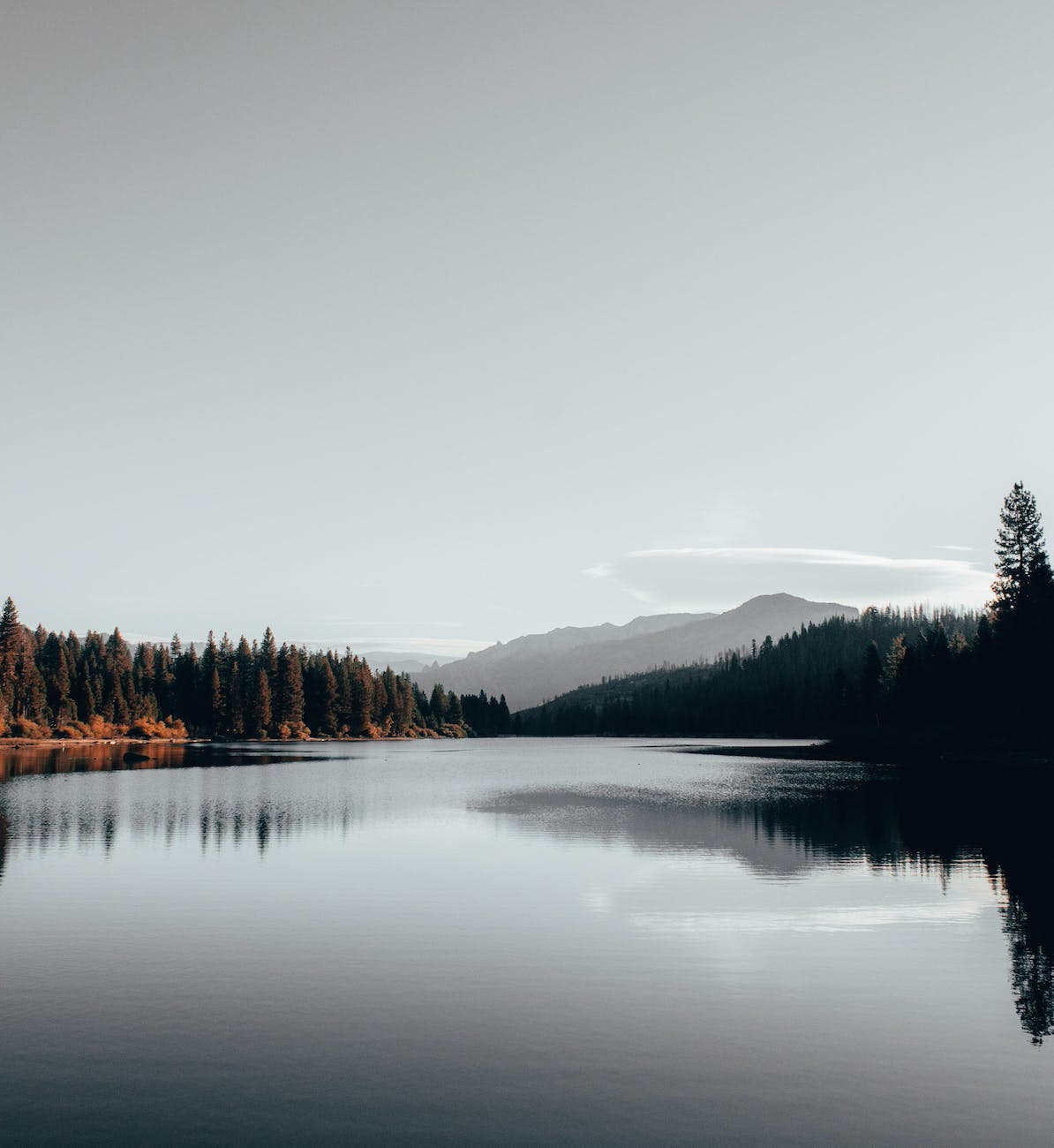
Biomanipulation refers to the deliberate manipulation of biological components within an ecosystem to achieve specific environmental goals. It involves altering the population dynamics of certain organisms to bring about desired changes in the ecosystem’s structure and function. Biomanipulation is typically employed in aquatic systems, such as lakes, ponds, and reservoirs, to address issues like eutrophication and the proliferation of harmful algal blooms.
The main objective of biomanipulation is to restore or enhance the ecological balance within an ecosystem by modifying the abundance or composition of key organisms. This can be achieved through various methods, including the introduction or removal of specific species, the manipulation of habitat conditions, or the alteration of trophic interactions.
Importance of Biomanipulation
One of the primary reasons why biomanipulation is important is its potential to address ecological problems caused by human activities. Eutrophication, for instance, is a widespread issue resulting from excessive nutrient inputs into water bodies, often due to agricultural runoff or wastewater discharge. This excess nutrient load leads to an overgrowth of algae, which depletes oxygen levels, harms other organisms, and disrupts the natural balance of the ecosystem. Biomanipulation techniques can be employed to restore the ecological equilibrium by reducing algal biomass and promoting the growth of desirable species.
Biomanipulation also plays a crucial role in controlling harmful algal blooms (HABs). HABs are rapid and excessive accumulations of certain types of algae that release toxins, causing harm to aquatic organisms and posing risks to human health. By selectively manipulating the food web dynamics or introducing specific predators or grazers that feed on the harmful algae, biomanipulation can help mitigate the negative impacts of HABs and restore water quality.
Biomanipulation can contribute to the overall conservation and management of ecosystems. By targeting specific species or ecological interactions, it enables the restoration of habitats and the preservation of biodiversity. It can also help prevent the loss of native species by controlling the spread of invasive or non-native species that disrupt the natural balance.
Application of Biomanipulation in Lake Ecosystem
Biomanipulation techniques have been successfully applied in lake ecosystems to address various ecological challenges and promote ecosystem health. Here are some key applications of biomanipulation in lake ecosystems:
- Controlling Eutrophication: Biomanipulation can be used to combat eutrophication, which is characterized by excessive nutrient inputs and subsequent algal blooms. By manipulating the trophic structure of the lake, biomanipulation aims to reduce algal biomass and restore water clarity. This is achieved by increasing the abundance of zooplankton grazers, such as Daphnia and other small crustaceans, which feed on algae, thereby limiting their growth. By restoring the balance between primary producers (algae) and consumers (zooplankton), biomanipulation helps control eutrophication and improves water quality.
- Managing Harmful Algal Blooms (HABs): Harmful algal blooms pose significant threats to aquatic ecosystems and human health. Biomanipulation can be employed to mitigate the impacts of HABs by introducing specific predators or grazers that feed on the harmful algae. For example, the introduction of certain species of fish, such as silver carp or grass carp, which consume toxic algae, can help control HABs and reduce the risk of toxin accumulation in the water.
- Restoring Fish Communities: Biomanipulation can also target fish populations in lake ecosystems. In some cases, lakes may be dominated by undesirable fish species that disrupt the ecological balance or pose threats to native fish populations. By selectively removing or controlling these species, biomanipulation can help restore a more diverse and balanced fish community. This can involve the removal of invasive or non-native fish species that compete with or prey upon native fish, thus promoting the recovery of native fish populations and enhancing biodiversity.
- Enhancing Benthic Habitat: Biomanipulation techniques can improve benthic habitats in lakes. Benthic habitats refer to the lake bottom and the organisms that reside there. In some cases, excessive nutrient inputs can lead to the proliferation of macrophytes (aquatic plants) or excessive organic matter accumulation, which negatively impacts benthic habitats. Biomanipulation methods, such as the introduction of herbivorous fish or the use of bottom-feeding species, can help control macrophyte growth and enhance benthic habitat conditions.
- Restoring Ecological Balance: Biomanipulation aims to restore the ecological balance in lake ecosystems by addressing imbalances in species composition, trophic interactions, and nutrient dynamics. By promoting the growth of desirable species and controlling the abundance of undesirable ones, biomanipulation helps recreate a more natural and functional ecosystem. This, in turn, can lead to improved water quality, enhanced biodiversity, and the overall health of the lake ecosystem.
Conclusion
In conclusion, biomanipulation is an important ecological tool used to restore or enhance the balance of ecosystems by selectively manipulating the populations and interactions of key organisms. By addressing issues such as eutrophication and harmful algal blooms, biomanipulation can contribute to the preservation of water quality, biodiversity, and overall ecosystem health. However, it should be approached with caution, taking into account the complexity of ecological systems and the need for ongoing monitoring and evaluation.
MCQs
- What is biomanipulation?
- a) The process of manipulating genetic material in organisms
- b) The deliberate manipulation of biological components within an ecosystem
- c) The study of microscopic organisms in aquatic ecosystems
- d) The process of altering the physical structure of ecosystems
- Which of the following ecosystems is commonly targeted for biomanipulation?
- a) Rainforests
- b) Deserts
- c) Coral reefs
- d) Lakes
- What is the main objective of biomanipulation?
- a) To increase the population of invasive species
- b) To restore ecological balance in an ecosystem
- c) To introduce new species into an ecosystem
- d) To manipulate the climate of an ecosystem
- Which of the following is an example of biomanipulation?
- a) Planting trees in a forest ecosystem
- b) Removing invasive species from a wetland
- c) Creating artificial reefs in the ocean
- d) Building a dam on a river
- Biomanipulation is often used to address which environmental issue?
- a) Deforestation
- b) Soil erosion
- c) Water pollution
- d) Air pollution
- What is one method of biomanipulation?
- a) Introducing genetically modified organisms
- b) Removing all organisms from an ecosystem
- c) Controlling the population of specific species
- d) Altering the physical landscape of an ecosystem
- In a lake ecosystem, biomanipulation can be used to control:
- a) Water temperature
- b) Oxygen levels
- c) Algal blooms
- d) Fish migration patterns
- The success of biomanipulation depends on:
- a) Randomly manipulating organisms within an ecosystem
- b) Proper planning and understanding of the ecosystem dynamics
- c) Completely removing all species from an ecosystem
- d) Ignoring the ecological balance of the ecosystem
Answers:
- b) The deliberate manipulation of biological components within an ecosystem
- d) Lakes
- b) To restore ecological balance in an ecosystem
- b) Removing invasive species from a wetland
- c) Water pollution
- c) Controlling the population of specific species
- c) Algal blooms
- b) Proper planning and understanding of the ecosystem dynamics
- How Plastic Pollution Is Choking Our Oceans And 12 Real Ways You Can Fix It

- 2025 Outlook: Top Global Trends Shaping the Future of Tech, Lifestyle, Sustainability and Culture

- 10 Eco-Friendly Gift Ideas for People Who Care About the Planet

- Audiobooks vs E-books: Which Is More Eco-Friendly?

- Why Audiobooks Are the Most Sustainable Way to Learn


 Decoding Biosphere