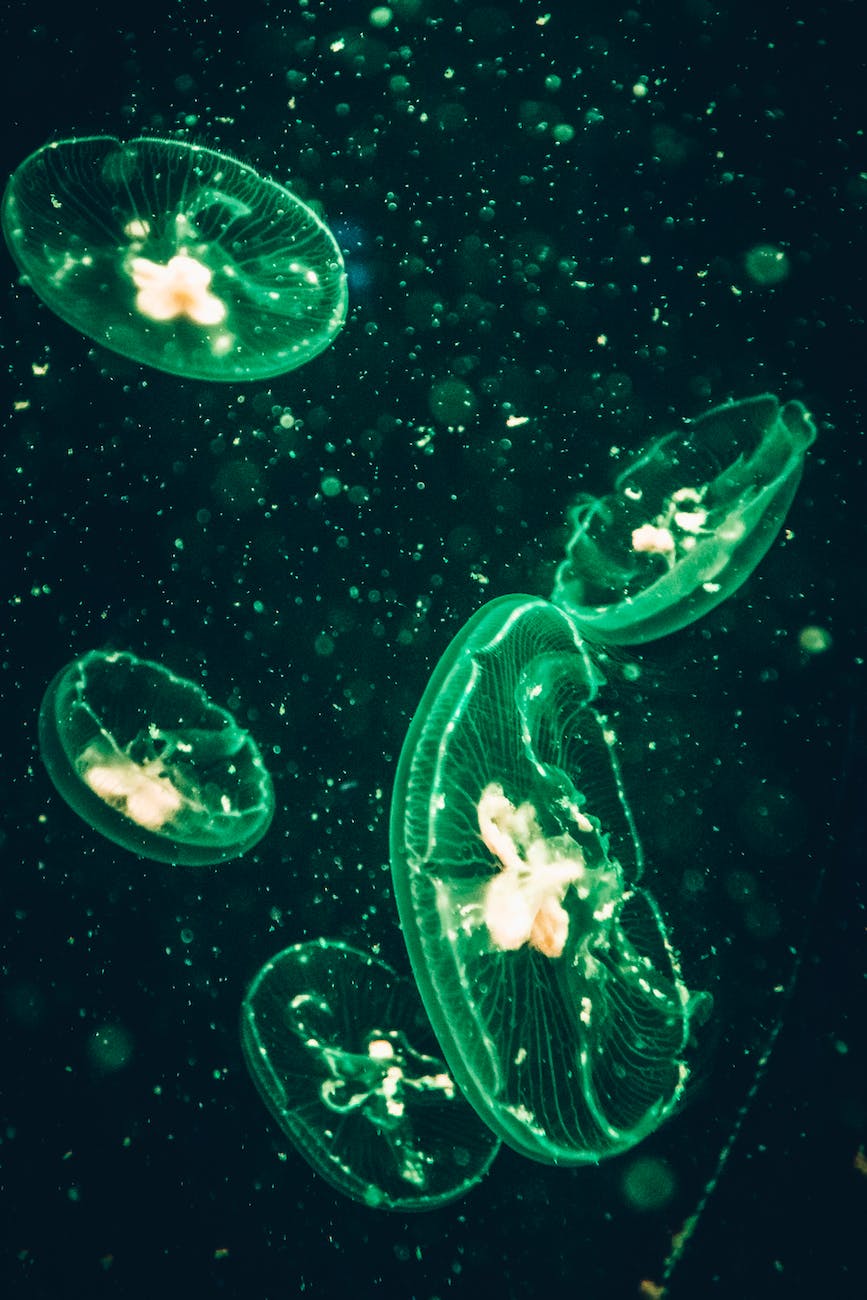
In the mysterious depths of the world’s oceans, and even in some terrestrial environments, there exists a captivating spectacle known as bioluminescence. This natural phenomenon refers to the ability of certain organisms to produce and emit light. From shimmering deep-sea creatures to enchanting fireflies, bioluminescence has captured the curiosity and fascination of both scientists and nature enthusiasts alike. In this article, we will explore what bioluminescence is, its purpose in nature, and some of the fascinating organisms that possess this extraordinary ability.
Definition of Bioluminescence
Bioluminescence is the production and emission of light by living organisms. It is a biochemical process that involves the conversion of chemical energy into light energy. This captivating phenomenon is found across various taxa, including marine organisms such as jellyfish, fish, and microscopic plankton, as well as terrestrial organisms like fireflies, fungi, and even some bacteria.
The Mechanism behind Bioluminescence:
Bioluminescence occurs due to the presence of specialized molecules called luciferins and enzymes called luciferases within the organisms. Luciferin is a light-emitting pigment, while luciferase is an enzyme that catalyzes the chemical reaction resulting in light emission. When luciferin interacts with luciferase and other necessary cofactors or substrates, a chemical reaction takes place, releasing energy in the form of light. The emitted light can vary in color, ranging from blue and green to red and even bioluminescent displays of multiple colors.
Functions and Adaptations:
Bioluminescence serves various functions in nature, often tied to the survival and communication needs of the organisms that possess this ability. Some of its primary functions include:
- Camouflage and Counterillumination: In the deep ocean, where sunlight barely reaches, bioluminescence helps organisms blend in with their surroundings. Many deep-sea creatures emit faint light from their ventral sides, matching the ambient light filtering from above. This counterillumination helps them avoid casting a silhouette and remain hidden from predators lurking below.
- Attraction and Reproduction: Bioluminescence plays a vital role in attracting mates and facilitating reproduction in many organisms. Fireflies, for example, use their flashing patterns to signal and communicate with potential mates. The rhythmic flashes are unique to each species, allowing individuals to find and recognize suitable partners during their courtship rituals.
- Defense and Predation: Bioluminescence can also serve as a defensive mechanism or aid in capturing prey. Some organisms, when threatened, emit a bright burst of light to startle or distract predators, providing a chance to escape. Conversely, some predators use bioluminescence to their advantage, using it as a lure to attract unsuspecting prey towards their jaws of doom.
Examples of Bioluminescent Organisms:
- Fireflies: These terrestrial insects are perhaps the most well-known bioluminescent organisms. Firefly flashes are mesmerizing, especially on warm summer nights, as they light up the darkness in search of mates.
- Deep-Sea Creatures: In the depths of the ocean, numerous organisms exhibit bioluminescence. This includes anglerfish, whose glowing lure attracts prey, and the enchanting display of bioluminescent plankton known as dinoflagellates, which create mesmerizing glowing waves when disturbed.
- Glowworms and Fungi: In the forests and caves, glowworms and certain fungi emit soft greenish light, adding an ethereal ambiance to their surroundings.
- Marine Dinoflagellates: Noctiluca scintillans, also known as “sea sparkle,” is a bioluminescent dinoflagellate that can create magnificent blue luminescent displays when disturbed, often leaving trails of glowing water in its wake.
Bioluminescence remains one of nature’s most captivating phenomena, both enchanting and functional. Through the biochemical magic of luciferins and luciferases, organisms have evolved the ability to emit light, offering insights into their ecology and behaviors. Whether as a means of communication, defense, or attraction, bioluminescence showcases the wonders of adaptation and survival in the natural world, reminding us of the remarkable diversity and beauty that exists beyond what our eyes can perceive.
MCQs
- What is bioluminescence?
- a) The emission of sound by living organisms
- b) The production and emission of light by living organisms
- c) The ability of organisms to camouflage with their surroundings
- d) The process of converting sunlight into energy by plants
- Which of the following is NOT involved in the mechanism of bioluminescence?
- a) Luciferin
- b) Luciferase
- c) Chlorophyll
- d) Cofactors
- What is the purpose of bioluminescence in deep-sea organisms?
- a) To attract mates
- b) To communicate with other species
- c) To camouflage with their surroundings
- d) To scare away predators
- Which of the following organisms is known for its bioluminescent displays during courtship?
- a) Fireflies
- b) Anglerfish
- c) Dinoflagellates
- d) Glowworms
- What is the function of bioluminescence in some marine organisms?
- a) Defense mechanism
- b) Camouflage
- c) Predation
- d) All of the above
Answers:
- b) The production and emission of light by living organisms
- c) Chlorophyll
- c) To camouflage with their surroundings
- a) Fireflies
- d) All of the above
- How Plastic Pollution Is Choking Our Oceans And 12 Real Ways You Can Fix It

- 2025 Outlook: Top Global Trends Shaping the Future of Tech, Lifestyle, Sustainability and Culture

- 10 Eco-Friendly Gift Ideas for People Who Care About the Planet

- Audiobooks vs E-books: Which Is More Eco-Friendly?

- Why Audiobooks Are the Most Sustainable Way to Learn


 Decoding Biosphere