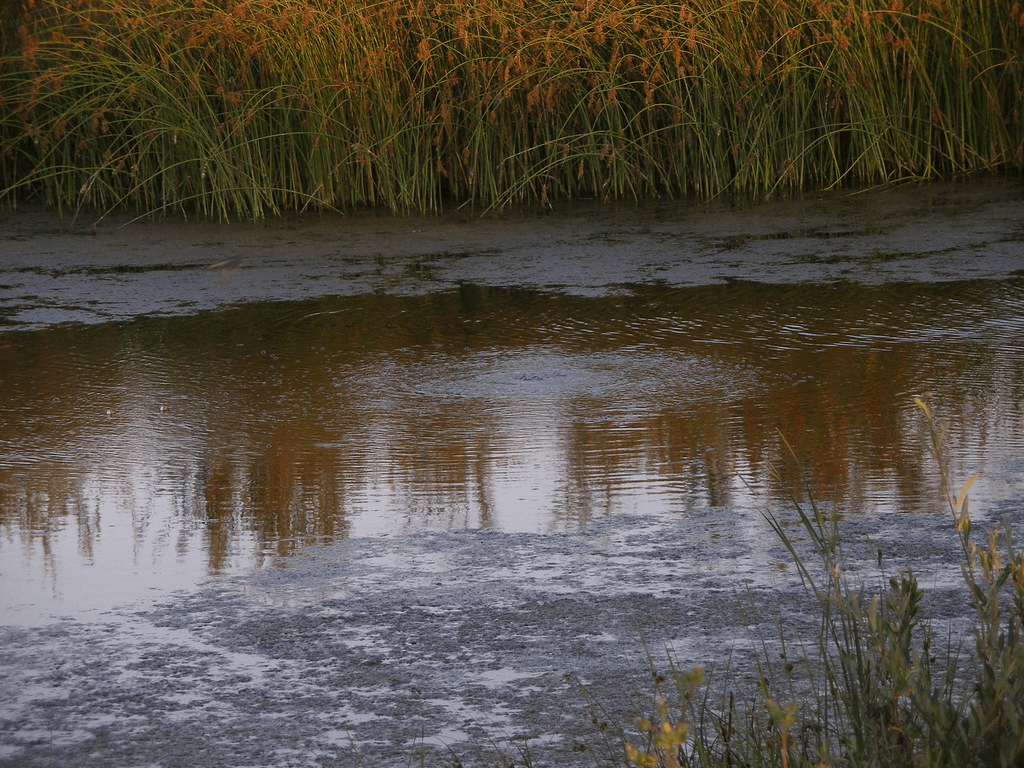
Marsh gas, also known as methane, is a natural gas produced in wetland environments like marshes, swamps, and bogs. It plays a significant role in Earth’s atmosphere and ecosystem. Understanding marsh gas is essential due to its impact on climate change and its role in natural processes.
What is Marsh Gas?
Marsh gas is a simple chemical compound made of one carbon atom and four hydrogen atoms, known scientifically as CH4. It is colorless and odorless, and it is the primary component of natural gas. In nature, methane is produced through both biological and geological processes.
Properties of Marsh Gas
- Definition: Marsh gas is produced by anaerobic bacteria when they break down vegetable matter and the rumen (that’s the stomach) of herbivorous animals underwater.
- Supernatural Glow: For a long time, people thought marsh gas had magical properties because it could ignite spontaneously. Imagine eerie flames dancing over marshes, especially at night!
- Chemical Formula: In chemistry, marsh gas is the simplest member of the aliphatic hydrocarbon series. Its chemical formula is CH₄.
- Abundance: You’ll find it abundantly in nature as the main component of natural gas.
- Composition: The methane content in marsh gas varies, but it’s usually around 60%.
- Color and Odor: Marsh gas is colorless and odorless.
- Lighter Than Air: It’s lighter than air, which means it floats upward.
- Specific Gravity: Its specific gravity is 0.554.
- Solubility: It’s not very soluble in water but dissolves better in ethyl alcohol and ethyl ether.
- Stability: Generally, it’s quite stable.
- Burning Bright: When ignited, it burns in air, producing carbon dioxide and water vapor. The flame is pale, slightly luminous, and very hot.
- Explosive Mix: If the methane content in the air is between 5% and 14%, watch out—it becomes explosive!
- Boiling Point: Marsh gas’s boiling point is a chilly -161.7°C.
- Heat of Combustion: When it burns, it releases 117.4 Joules of energy.
How Does Nature Make Marsh Gas?
- Anaerobic Digestion: Under natural conditions, organic matter decomposes without oxygen. Bacteria transform it into methane and carbon dioxide.
- Three Steps: This process involves hydrolysis, acidogenesis, and methanogenesis.
- Hydrolysis: Complex organic compounds break down into simpler ones.
- Acidogenesis: These simpler compounds convert to intermediate forms.
- Methanogenesis: Finally, bacteria create methane and carbon dioxide.
Role in Climate Change:
Marsh gas is a potent greenhouse gas, meaning it traps heat in the Earth’s atmosphere. Although it is less abundant compared to carbon dioxide (CO2), methane is about 25 times more effective at trapping heat over a 100-year period. Human activities, such as agriculture, waste management, and fossil fuel extraction, contribute to increased methane emissions, exacerbating climate change.
Ecological Importance:
Despite its role in climate change, marsh gas also serves important ecological functions. In wetland environments, methane plays a role in nutrient cycling and the growth of plant communities. Certain plants, called methanotrophs, can consume methane, helping to regulate its presence in the atmosphere.
Remember, marsh gas isn’t just a mysterious glow—it’s a vital part of our planet’s cycles! 🌍
MCQs on Marsh Gas
- What is the chemical formula of marsh gas?
- A) CH3
- B) CO2
- C) CH4
- D) H2O
- Where is marsh gas primarily produced in nature?
- A) Deserts
- B) Rainforests
- C) Wetlands
- D) Mountains
- Which process primarily produces marsh gas in wetland environments?
- A) Photosynthesis
- B) Aerobic decomposition
- C) Anaerobic decomposition
- D) Oxidation
- What is the main environmental impact of marsh gas?
- A) Cooling the atmosphere
- B) Trapping heat in the atmosphere
- C) Reducing rainfall
- D) Increasing oxygen levels
- Which of the following is a natural sink for marsh gas?
- A) Trees
- B) Soil
- C) Oceans
- D) Mountains
- How does marsh gas contribute to climate change?
- A) By absorbing carbon dioxide
- B) By reducing greenhouse gases
- C) By releasing water vapor
- D) By acting as a potent greenhouse gas
Answers:
- C) CH4
- C) Wetlands
- C) Anaerobic decomposition
- B) Trapping heat in the atmosphere
- C) Oceans
- D) By acting as a potent greenhouse gas
Source:
- https://link.springer.com/referenceworkentry/10.1007/1-4020-4494-1_217
- https://academic.oup.com/ehjcr/article/7/10/ytad479/7300974
You May Also Like

 Decoding Biosphere