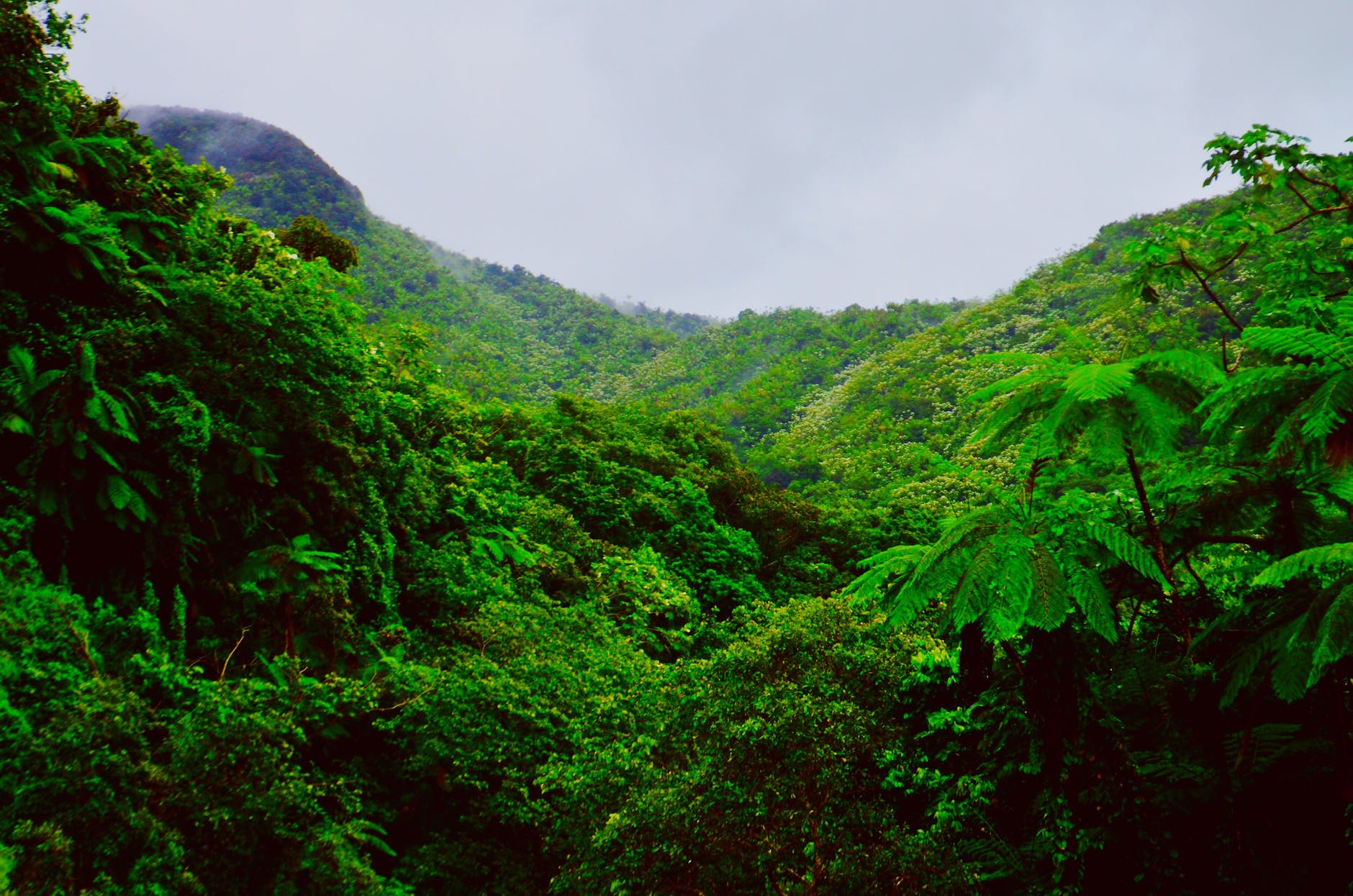
Tropical rainforests are some of the most remarkable and diverse ecosystems on our planet. Encompassing a mere 6% of the Earth’s land surface, these lush, vibrant forests are home to an astonishing array of plant and animal species. The ‘tropical rainforest’ encapsulates the rich diversity of life and their interconnection that characterizes these ecosystems. In this article, we will know all about the tropical rainforests, exploring their biodiversity, ecological importance, the threats they face, conservation efforts, famous rainforests, unique species and ecotourism opportunities.
Biodiversity in Tropical Rainforests
The term ‘biodiversity’ hardly does justice to the immense variety of life found within tropical rainforests. From the towering trees that form the forest canopy to the myriad species that inhabit the forest floor, every layer of these ecosystems teems with life. Scientists estimate that tropical rainforests house over 50% of the world’s known species, despite covering only a small fraction of the Earth’s surface.
The biodiversity of tropical rainforests extends to their flora and fauna. Innumerable plant species thrive here, many of which are still undiscovered by science. Animal life is equally diverse, with iconic species like jaguars, toucans, orangutans, and countless insects and amphibians finding refuge in these dense habitats.
Ecological Importance of Tropical Rainforests
Tropical rainforests play an essential role in maintaining the balance of our planet’s ecosystems. Their dense vegetation absorbs massive amounts of carbon dioxide, helping to mitigate the effects of climate change. Moreover, these forests act as the planet’s lungs, releasing oxygen into the atmosphere through the process of photosynthesis.
The interconnectedness of rainforest ecosystems is pivotal for the survival of numerous species. Mutualistic relationships, where different species rely on each other for survival, are prevalent. For instance, many flowering plants in these ecosystems depend on specific animal pollinators, creating a delicate show of interdependence.
Threats to Tropical Rainforests
Despite their ecological significance, tropical rainforests are under immense threat. The expansion of agriculture, logging, mining, and urbanization has led to massive deforestation, resulting in the loss of habitat for countless species. This loss of habitat often leads to extinction, as many species are highly specialized and cannot survive outside their natural environment.
Additionally, illegal hunting and poaching threaten the survival of numerous iconic species. The intricate web of life that sustains these ecosystems is separating out as a result of human activities, jeopardizing the delicate balance that has evolved over millennia.
Conservation Efforts for Tropical Rainforests
Recognizing the urgency of the situation, a multitude of organizations and governments around the world are working tirelessly to conserve tropical rainforests. Conservation efforts include establishing protected areas, implementing sustainable forestry practices, and promoting local community involvement in forest management.
International agreements, such as the Paris Agreement and the Convention on Biological Diversity, emphasize the importance of forest conservation in combating climate change and preserving global biodiversity. Moreover, indigenous communities, often the most effective stewards of their ancestral lands, play a vital role in the preservation of these ecosystems.
Famous Tropical Rainforests Around the World
Several tropical rainforests stand out for their extraordinary beauty and biodiversity. Let us look at some most famous tropical rainforests around the world.
1. Amazon Rainforest, South America
Undoubtedly the most iconic and largest tropical rainforest on Earth, the Amazon Rainforest spans across multiple countries in South America, including Brazil, Peru, and Colombia. Often referred to as the “Lungs of the Earth,” the Amazon plays a vital role in regulating the planet’s climate by absorbing carbon dioxide and releasing oxygen. This immense rainforest is home to an astonishing array of species, from jaguars and anacondas to toucans and howler monkeys. Indigenous communities have lived in harmony with this ecosystem for generations, emphasizing the importance of cultural preservation alongside conservation efforts.
2. Congo Basin Rainforest, Africa
Situated in the heart of Africa, the Congo Basin Rainforest is the second-largest tropical rainforest in the world. Encompassing countries like the Democratic Republic of Congo, Cameroon, and Gabon, this rainforest is renowned for its incredible biodiversity. It houses rare and elusive species such as bonobos, okapis, and forest elephants. The dense vegetation and intricate river systems create a complex and interconnected environment that supports both the forest and the people who rely on it.
3. Sundarbans, Bangladesh and India
The Sundarbans is a unique and mystical mangrove forest located in the delta region of the Ganges, Brahmaputra, and Meghna rivers. Straddling Bangladesh and India, this rainforest is famous for its adaptation to the tidal environment, with its iconic mangrove trees growing in saltwater conditions. It’s also home to the majestic Bengal tiger, which has adapted to swimming and thriving in this watery landscape. The Sundarbans showcases the intricate relationship between land and water, and the challenges faced by both human and animal communities living here.
4. Southeast Asian Rainforests
Stretching across countries like Malaysia, Indonesia, and Papua New Guinea, the rainforests of Southeast Asia are a hotbed of biodiversity. These rainforests are known for their incredible plant diversity, including the famous Rafflesia flower, which holds the distinction of being the world’s largest flower. Orangutans, pygmy elephants, and various primate species are some of the charismatic inhabitants of these forests. However, this region is also facing significant threats due to palm oil production and deforestation.
5. Daintree Rainforest, Australia
Venturing down under, the Daintree Rainforest in Australia is a haven of ancient flora and fauna. This rainforest is unique in that it is part of the World Heritage-listed Wet Tropics of Queensland. It showcases the remarkable evolution of plant and animal species in isolation for millions of years. The Daintree is home to the rare and ancient cassowary bird, as well as countless species of unique frogs, reptiles, and insects. Conservation efforts here focus on preserving the delicate balance between human activity and the natural environment.
6. Central American Rainforests
Running through Central America, a string of rainforests offers a lush and diverse environment. From the lush Monteverde Cloud Forest in Costa Rica to the Maya Biosphere Reserve in Guatemala, these rainforests are home to a range of species, including jaguars, quetzal birds, and poison dart frogs. The unique topography and microclimates in this region contribute to its rich biodiversity.
Unique Flora and Fauna Found in Tropical Rainforests
Tropical rainforests are treasure troves of unique and often undiscovered species. From the Rafflesia flower, which boasts the title of the world’s largest flower, to the poison dart frogs, whose vibrant colors belie their deadly toxins, these ecosystems harbor species found nowhere else on Earth.
The diversity extends below ground as well, with an intricate network of fungi, bacteria, and other microorganisms supporting the health of the entire ecosystem. The complexity of these interactions continually astonishes scientists and serves as a reminder of how much we have yet to learn about these remarkable forests.
Ecotourism in Tropical Rainforests
Ecotourism offers a potential solution to the threats faced by tropical rainforests. Responsible tourism practices can generate income for local communities while incentivizing the preservation of these precious habitats. Visitors gain a firsthand appreciation for the beauty and importance of rainforests, fostering a greater understanding of the need for conservation.
Guided tours, canopy walks, and birdwatching expeditions allow tourists to experience the enchanting biodiversity of these forests without causing harm to the delicate ecosystems. However, strict regulations are crucial to prevent the negative impacts of mass tourism, such as habitat disruption and pollution.
Final WOrds
In conclusion, the keyword ‘tropical rainforest’ encapsulates a world of wonder, biodiversity, and ecological importance. These ecosystems are not just picturesque landscapes but are also the lungs of our planet, supporting a staggering diversity of life.
You May Also Like

 Decoding Biosphere