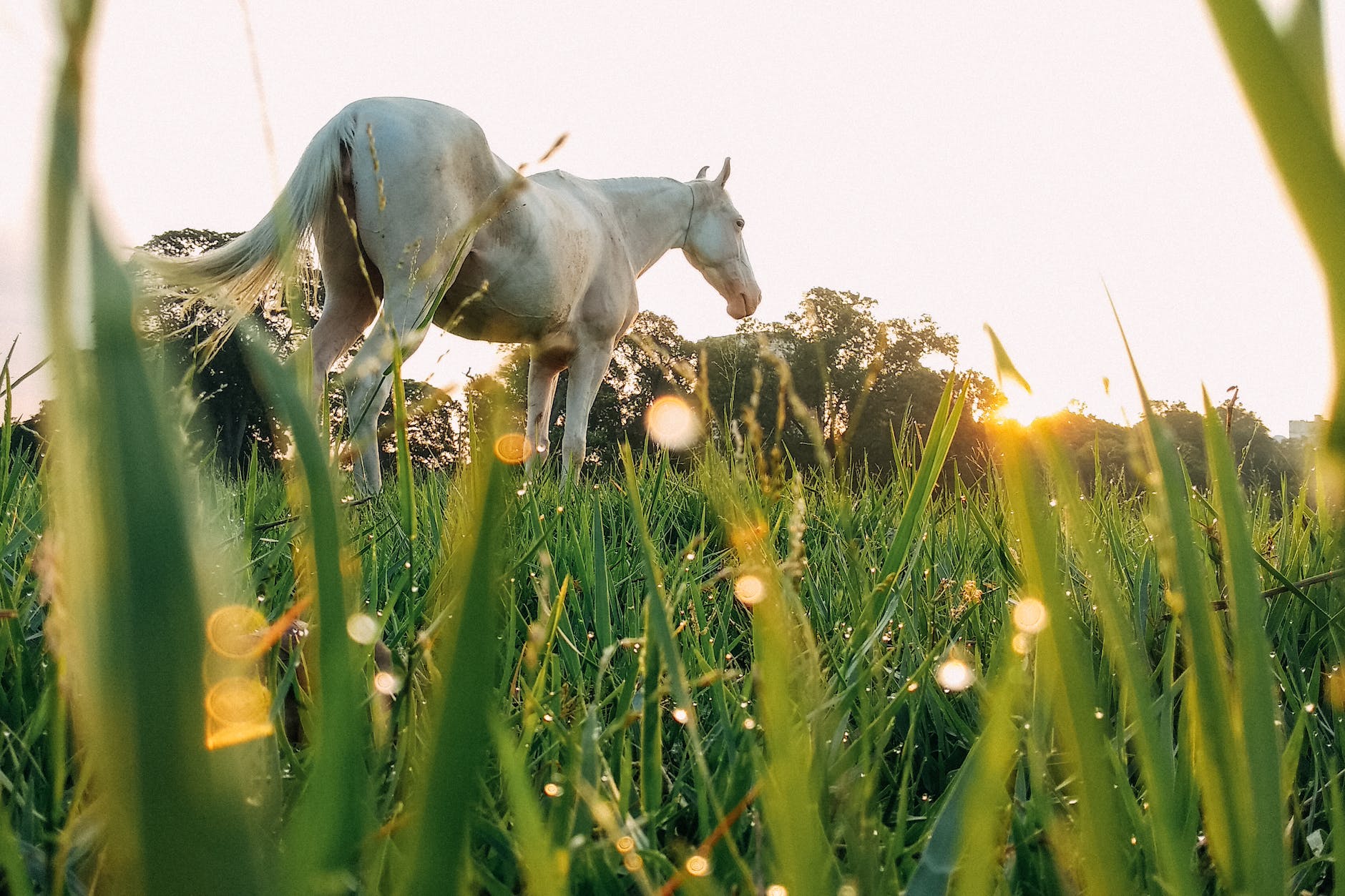
Climate change has emerged as one of the most pressing global challenges, affecting ecosystems and biodiversity around the world. Flora and fauna, the intricate web of plant and animal life, are profoundly impacted by the changing climate. This article explores the consequences of climate change on flora and fauna, highlighting the urgent need for conservation efforts and sustainable practices to safeguard them.
Impact of Climate Change on Flora and Fauna
1. Disrupted Habitats and Range Shifts
As temperatures rise and weather patterns change, many plant and animal species are forced to adapt or face extinction. Flora and fauna are intricately connected to their native habitats, but as these habitats are altered, species may struggle to find suitable conditions to thrive. Consequently, they might be compelled to migrate to more favorable areas, causing range shifts that can disrupt entire ecosystems.
2. Altered Phenology and Mismatched Interactions
Climate change is disrupting the timing of natural events such as flowering, migration, and hibernation. Flora’s flowering patterns and fauna’s breeding and migration timings might get out of sync, causing mismatches in ecological interactions. For instance, birds that rely on certain plant species for nesting or food may arrive after those plants have already bloomed or dispersed their seeds, leading to reduced reproductive success.
3. Increased Extinction Risk
Flora and fauna that are already facing challenges due to habitat loss or other anthropogenic factors become even more vulnerable in the face of climate change. Species with limited adaptive capacity might be unable to cope with rapidly changing conditions, leading to a higher risk of extinction. The loss of even a single plant or animal species can have cascading effects on the entire ecosystem.
4. Ocean Acidification and Marine Ecosystems
Climate change, driven by increased carbon dioxide emissions, not only affects terrestrial ecosystems but also poses a threat to marine life. The absorption of excess carbon dioxide by the oceans leads to ocean acidification, which harms marine flora such as phytoplankton and seaweeds, the foundation of marine food chains. This, in turn, disrupts marine fauna, including fish, marine mammals, and coral reefs, which rely on these primary producers for sustenance.
5. Changes in Plant and Animal Physiology
Fluctuating temperatures and altered precipitation patterns can directly impact the physiology of both flora and fauna. For example, some plant species may exhibit altered growth patterns or flower more frequently, while animals may experience changes in metabolism, behavior, and reproductive success. Such changes can impact the availability and distribution of food resources, affecting the entire food web.
6. Increased Invasive Species Spread
Climate change can create favorable conditions for the spread of invasive plant and animal species into new territories. Invasive species can outcompete native flora and fauna, disrupting established ecological balances and threatening biodiversity. These invasions can also lead to economic losses and adverse effects on human livelihoods.
Solutions to Mitigate its Effects
- Reduce Greenhouse Gas Emissions: The primary driver of climate change is the excessive release of greenhouse gases, especially carbon dioxide, into the atmosphere. Implementing policies and initiatives to reduce emissions from industries, transportation, and deforestation is crucial in stabilizing the climate.
- Transition to Renewable Energy: Promoting the adoption of renewable energy sources, such as solar, wind, and hydroelectric power, can significantly reduce the reliance on fossil fuels. Governments and businesses should invest in sustainable energy infrastructure to mitigate greenhouse gas emissions.
- Conservation and Restoration of Habitats: Protecting existing natural habitats and restoring degraded ones is vital for supporting diverse flora and fauna populations. This includes safeguarding national parks, wildlife reserves, and marine protected areas, as well as rehabilitating damaged ecosystems.
- Establishing Wildlife Corridors: Creating wildlife corridors and greenways that connect fragmented habitats allows plants and animals to move freely, maintain genetic diversity, and adapt to changing conditions.
- Sustainable Land Use and Agriculture: Encourage sustainable land use practices that preserve natural ecosystems, minimize deforestation, and reduce the conversion of natural habitats for agriculture or urban development. Promote sustainable agricultural methods that prioritize biodiversity conservation and minimize chemical inputs.
- Protecting Marine Ecosystems: Implement and enforce measures to combat ocean acidification and overfishing, as these activities directly impact marine flora and fauna. Establish marine protected areas and adopt sustainable fishing practices to preserve marine biodiversity.
- Conservation of Endangered Species: Focus on protecting and conserving endangered plant and animal species through breeding programs, habitat restoration, and strict enforcement of anti-poaching laws.
The impact of climate change on flora and fauna is undeniable, with far-reaching consequences for ecosystems worldwide. Urgent action is required to mitigate its effects and preserve biodiversity. Conservation efforts, sustainable land and water management practices, and global collaboration to reduce greenhouse gas emissions are all vital steps toward safeguarding our natural heritage.
You May Also Like

 Decoding Biosphere