In the intricate tapestry of nature, organisms exhibit varying degrees of adaptability to different environmental conditions. Ecological amplitude is a crucial concept that encompasses the range of conditions in which a species can survive, grow, and reproduce. In this article, we will delve into the definition of ecological amplitude, explore its types, provide examples, and highlight the significance of understanding this concept for ecological resilience and conservation.
Understanding Ecological Amplitude:
Ecological amplitude refers to the range of environmental conditions within which a species can persist and maintain a viable population. It encompasses various factors such as temperature, humidity, light intensity, soil composition, and availability of resources. The ecological amplitude of a species determines its ability to adapt and thrive in different habitats, from extreme environments to more moderate conditions.
Types of Ecological Amplitude:
- Physiological Amplitude: Physiological amplitude relates to a species’ tolerance for specific environmental factors, such as temperature, moisture levels, or pH. Different species exhibit varying degrees of tolerance, enabling them to occupy different ecological niches. For example, some plants are adapted to thrive in arid desert conditions, while others flourish in wet and marshy environments.
- Ecological Amplitude: Ecological amplitude encompasses the range of habitats and ecological conditions within which a species can survive and reproduce. It includes factors beyond physiological limitations, such as resource availability, interactions with other species, and disturbance regimes. Species with a broad ecological amplitude can occupy diverse ecosystems and exhibit wide habitat ranges.
Examples of Ecological Amplitude:
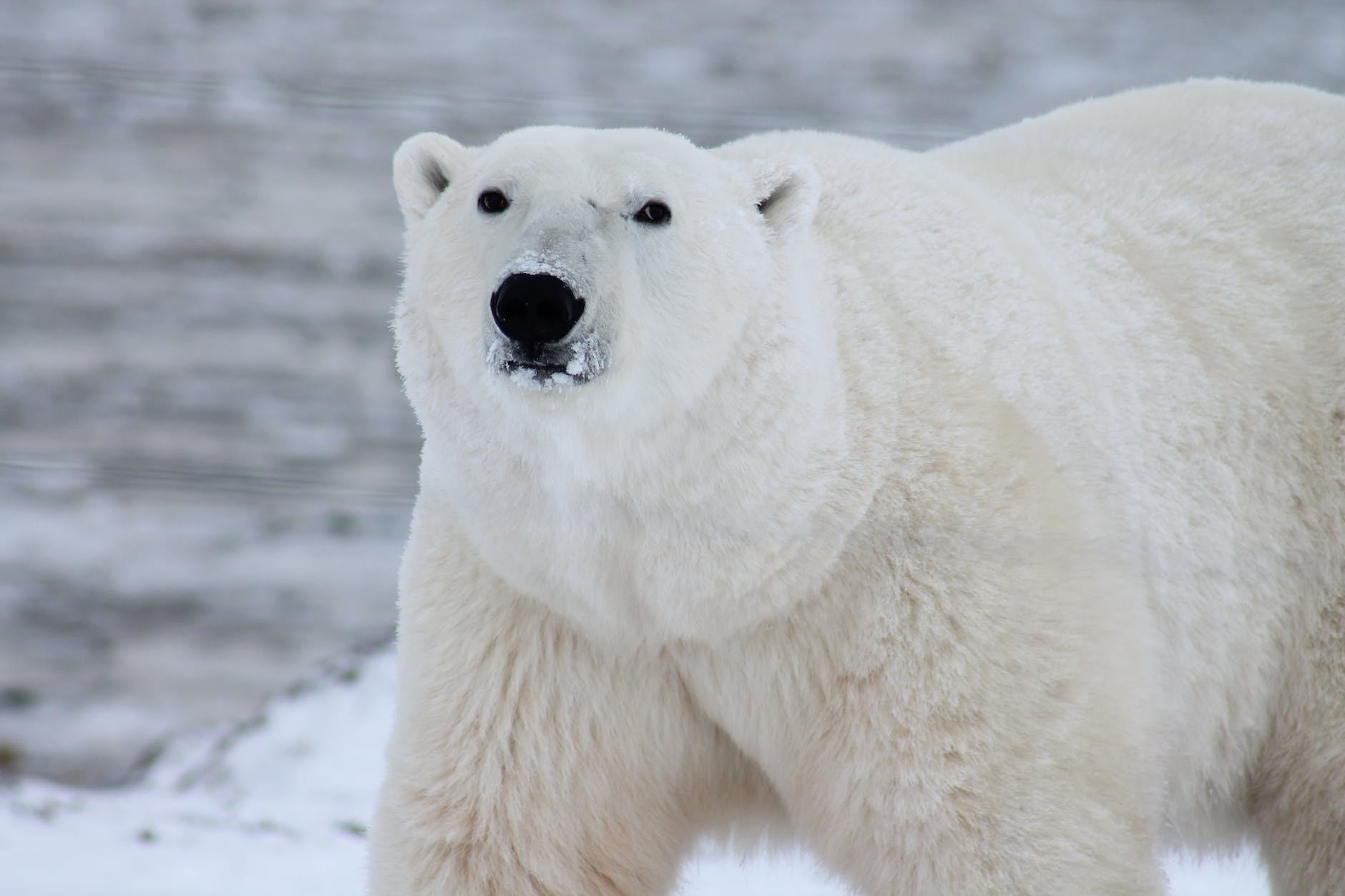
- Polar Bears (Ursus maritimus): Polar bears are an iconic example of a species with a specialized ecological amplitude. They are adapted to survive in extreme cold conditions of the Arctic region. Their thick layer of blubber, insulating fur, and large body size enable them to withstand sub-zero temperatures, icy waters, and long periods without food. However, their ecological amplitude is limited to the Arctic due to their dependence on sea ice for hunting and survival.
- Cacti (Family Cactaceae): Cacti are an excellent example of plants with a remarkable physiological amplitude. They have evolved unique adaptations to thrive in arid and desert environments, such as the ability to store water in their fleshy stems, reduced leaf surface area to minimize water loss, and specialized spines for protection against herbivores. These adaptations allow cacti to tolerate extreme temperatures, low rainfall, and nutrient-poor soils.
Significance of Understanding Ecological Amplitude:
- Conservation and Restoration: Understanding the ecological amplitude of species is vital for conservation and habitat restoration efforts. By identifying the specific environmental conditions required for the survival and reproduction of endangered species, conservationists can create targeted management plans and protect critical habitats. It also aids in predicting how species may respond to climate change and guiding adaptive strategies for their preservation.
- Ecosystem Resilience: A diverse range of species with different ecological amplitudes contributes to the resilience and stability of ecosystems. By occupying various niches and tolerating different conditions, species ensure the functioning of ecosystems even in the face of disturbances or changing environmental factors. Maintaining a healthy balance of species with diverse ecological amplitudes enhances the overall resilience of ecological communities.
- Ecological Restoration: Understanding ecological amplitude is crucial when undertaking ecological restoration projects. By selecting native species with appropriate ecological amplitudes for restoration sites, we can enhance the chances of successful establishment and long-term survival. This approach promotes the recovery of diverse and functional ecosystems that can support native biodiversity and ecosystem services.
Take Away Points:
Ecological amplitude reflects the adaptability and resilience of species to different environmental conditions. Understanding the physiological and ecological limits of species helps us comprehend their distribution patterns, habitat requirements, and responses to environmental changes. By recognizing the importance of ecological amplitude in conservation and ecological management, we can foster the protection and restoration of diverse ecosystems, ensuring the survival of species in a world of dynamic and evolving environmental challenges.

 Decoding Biosphere