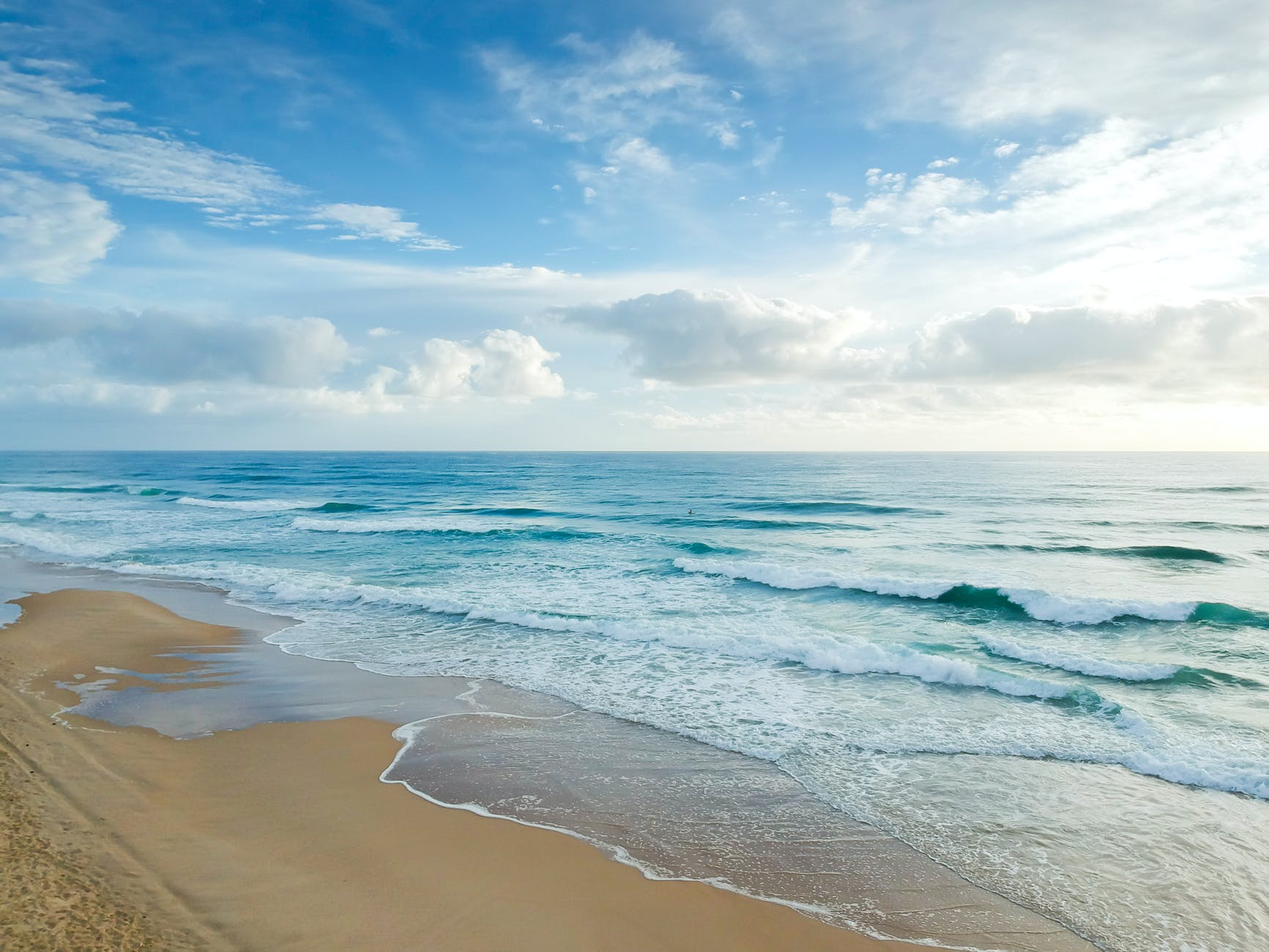
The coastal areas are precious zones where the land meets the sea, teeming with life and beauty. However, these areas are also vulnerable to natural forces like erosion and storms. To protect our coastlines and the communities that call them home, scientists and engineers have developed various coastal protection methods. Let’s explore some of these methods.
Seawalls:
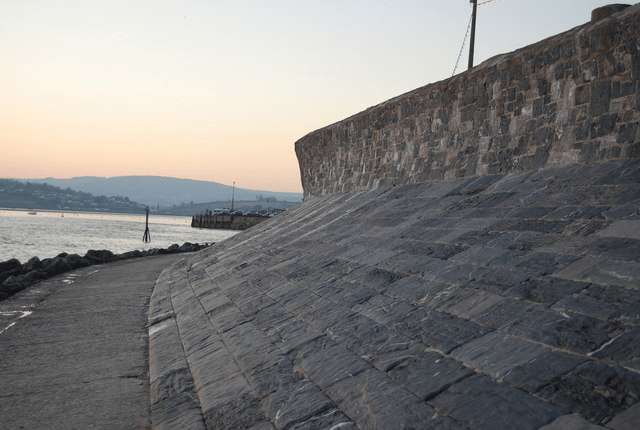
Seawalls are sturdy barriers built along the coastline to prevent erosion and protect the land from crashing waves. They are typically made of concrete or rocks and act as a buffer against the force of the ocean. While seawalls are effective in absorbing wave energy, they can sometimes cause erosion on neighboring beaches.
Beach Nourishment:
Beaches are a crucial natural defense against waves, but they can erode over time. Beach nourishment involves adding sand to replenish and widen the beach, making it better at absorbing wave energy and reducing erosion. This method not only protects the coast but also enhances recreational areas for people to enjoy.
Breakwaters:
Breakwaters are structures built offshore, designed to break the force of incoming waves before they reach the shore. They can be submerged or partially visible and provide protection to the coast by reducing wave intensity and erosion.

Dune Restoration:
Dunes are natural sand mounds found along many coastlines. They act as a natural barrier, protecting the land from storm surges and erosion. Dune restoration involves planting native vegetation and installing fences to stabilize and restore dunes that may have been damaged.

Mangrove Plantations:
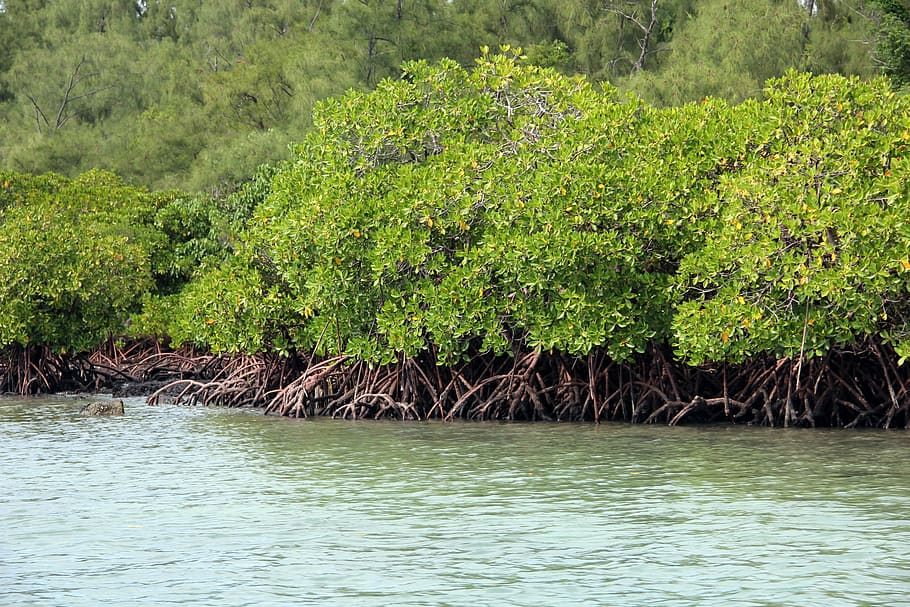
In tropical regions, mangrove forests play a crucial role in coastal protection. Mangroves have unique roots that trap sediments and slow down wave energy, helping to reduce erosion and mitigate the impacts of storms and hurricanes.
Offshore Reefs:
Offshore reefs are artificial or natural structures created offshore to break waves before they reach the coast. These reefs not only protect the shoreline but also create habitats for marine life.
Marsh Creation:
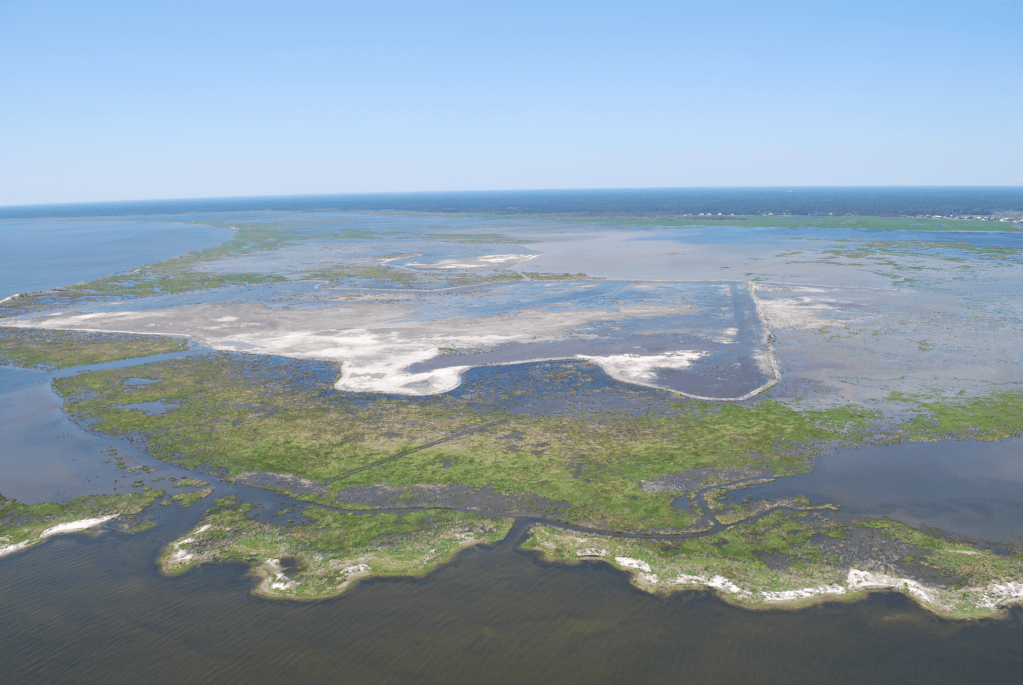
Salt marshes are wetlands along the coast that provide vital protection against erosion and flooding. Creating or restoring salt marshes can help shield the coast from storm surges and stabilize the land.
Living Shorelines:
Living shorelines are eco-friendly alternatives to traditional hardened structures. They involve using natural materials like oyster shells, plants, and rocks to stabilize the shoreline and create habitats for marine life.
Soft Engineering:
Soft engineering methods focus on using natural processes to manage coastal erosion and flooding. Examples include beach nourishment, dune restoration, and planting vegetation to stabilize the coast.
Final Notes:
Coastal protection methods are essential for safeguarding our coastlines and the communities that thrive there. From seawalls to mangrove plantations, each method has its unique advantages and considerations. By combining various techniques and employing eco-friendly approaches, we can strike a balance between human needs and the preservation of these valuable coastal ecosystems.
You May Also Like

 Decoding Biosphere

