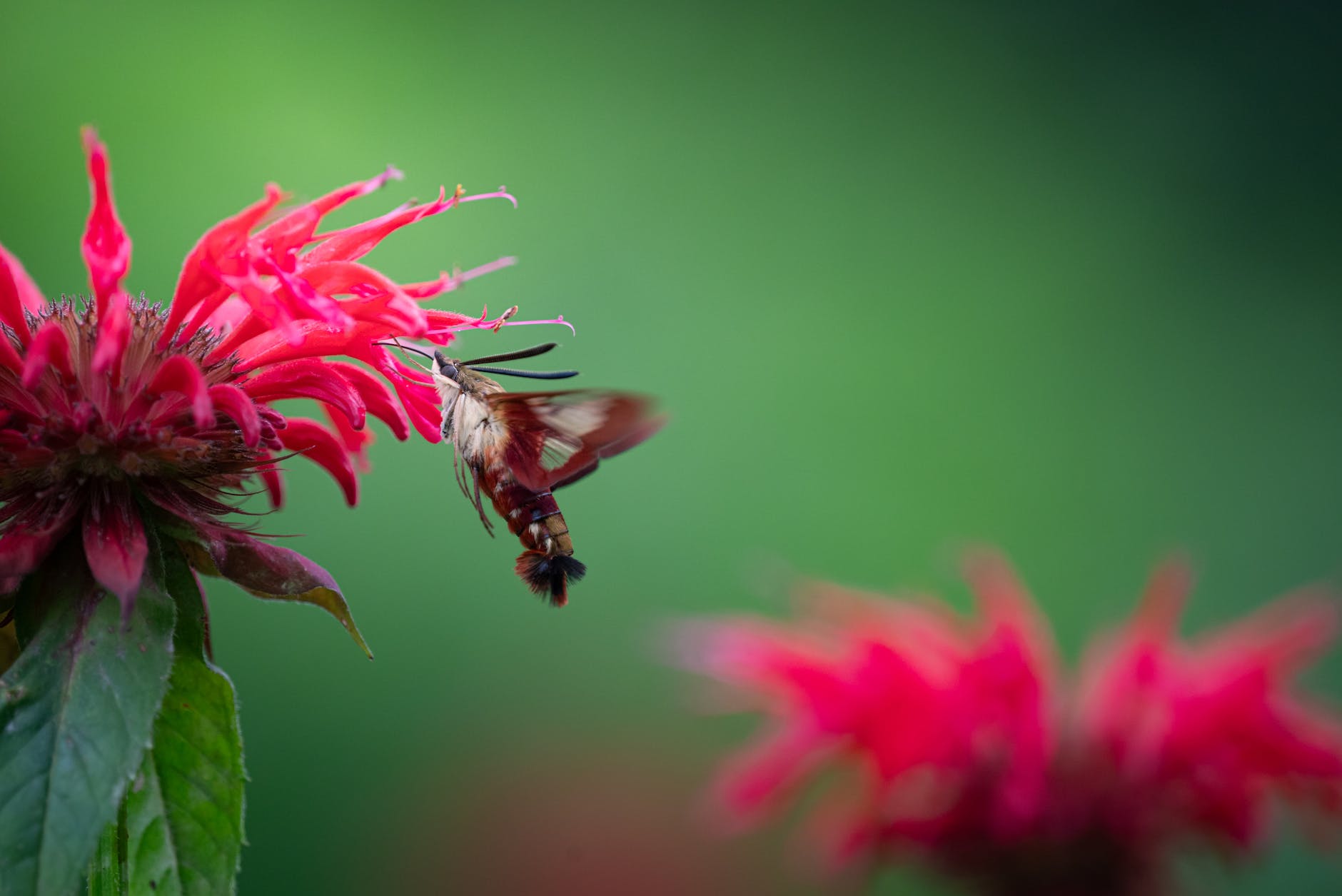
Cross-pollination, the transfer of pollen between flowers of different plants, plays a crucial role in plant reproduction and genetic diversity. This article reviews the various benefits of cross-pollination, focusing on how it enhances reproductive success, promotes genetic variability, and contributes to ecosystem resilience. The mechanisms, ecological implications, and agricultural significance of cross-pollination are explored, showing its vital role in shaping plant populations and maintaining biodiversity.
What is Cross-Pollination
Cross-pollination, also known as allogamy, involves the transfer of pollen from the anther of one flower to the stigma of another flower on a separate plant. This process differs from self-pollination, where pollen is transferred within the same flower or between flowers of the same plant. Cross-pollination is widespread among flowering plants and encompasses various mechanisms and pollinator interactions.
Enhanced Reproductive Success
Cross-pollination promotes reproductive success by reducing the risk of inbreeding depression. Inbreeding depression occurs when closely related individuals mate, leading to the expression of deleterious recessive alleles and reduced fitness in offspring. Cross-pollination mitigates this risk by facilitating the exchange of pollen between genetically distinct individuals, ensuring healthier and more vigorous progeny.
Genetic Variability and Adaptation
One of the primary advantages of cross-pollination is the increased genetic diversity it fosters within plant populations. Genetic diversity is essential for adaptation to changing environmental conditions, as it provides a wider range of traits for natural selection to act upon. Cross-pollination introduces novel genetic combinations, enhancing the potential for plants to evolve and thrive in various ecological niches.
Ecosystem Resilience
Cross-pollination contributes to ecosystem resilience by promoting species diversity and ecological stability. A diverse array of plants with varying characteristics ensures that pollinators have a continuous food supply throughout the flowering season. This, in turn, supports diverse populations of pollinators, which play a vital role in maintaining ecosystem services such as pollination and fruit production.
Mechanisms of Cross-Pollination:
Cross-pollination can occur through a variety of mechanisms, including wind, water, and animal vectors. Insect pollination, especially by bees, butterflies, and other insects, is perhaps the most well-studied mechanism. These pollinators facilitate efficient pollen transfer between plants while seeking nectar and pollen as food sources. Their foraging behaviors inadvertently lead to the transfer of genetic material, enabling cross-pollination.
Ecological and Agricultural Significance
Cross-pollination is of immense ecological and agricultural significance. In natural ecosystems, it sustains plant populations, maintains biodiversity, and supports the broader food web. In agriculture, cross-pollination is critical for the production of many fruits, vegetables, and nuts, including apples, cucumbers, and almonds. Managed and native pollinators contribute to crop yield enhancement through their role in cross-pollination.
Final Notes
In conclusion, cross-pollination is undeniably beneficial to plant reproduction and genetic diversity. By promoting reproductive success, facilitating genetic variability, and bolstering ecosystem resilience, cross-pollination plays an indispensable role in shaping plant populations and maintaining biodiversity.
Frequently Asked Questions (FAQs) on Cross-Pollination
Q1: How is cross-pollination achieved?
Cross-pollination can occur through various mechanisms, including wind, water, and animal vectors. Insect pollination, where pollinators like bees, butterflies, and other insects transfer pollen while foraging for nectar and pollen, is one of the most common mechanisms.
Q2: Which plants rely on cross-pollination?
Many plants rely on cross-pollination for successful reproduction. Some examples include apples, cucumbers, sunflowers, and strawberries. These plants often have specialized adaptations that attract pollinators and facilitate the transfer of pollen between flowers.
Q3: What are the ecological implications of cross-pollination?
Cross-pollination contributes to ecosystem health by supporting pollinator populations and maintaining diverse plant communities. It ensures a continuous food supply for pollinators throughout the flowering season, thereby sustaining crucial ecosystem services like pollination and fruit production.
Q4: How does cross-pollination impact agriculture?
Cross-pollination is vital for many agricultural crops. It increases crop yield and quality by ensuring efficient fertilization and genetic diversity. Crops like almonds, blueberries, and watermelons benefit from cross-pollination, often provided by managed or native pollinators.
Q5: Can cross-pollination occur between different plant species?
While cross-pollination typically occurs within the same plant species, hybridization can sometimes lead to cross-pollination between closely related species. However, successful hybridization is less common and often requires specific conditions.
Q6: How can humans promote cross-pollination for better crop yields?
To promote cross-pollination and enhance crop yields, farmers can:
- Provide habitat and food sources for pollinators.
- Avoid using excessive pesticides that harm pollinators.
- Plant diverse flowering crops that attract a variety of pollinators.
- Rotate crops to maintain healthy soil and encourage pollinator populations.
You May Also Like

 Decoding Biosphere